2024 Wall Art Style Matcher
Answer two quick questions to discover which 2024 wall art trend best suits your space.
Best Materials
Pro Tip
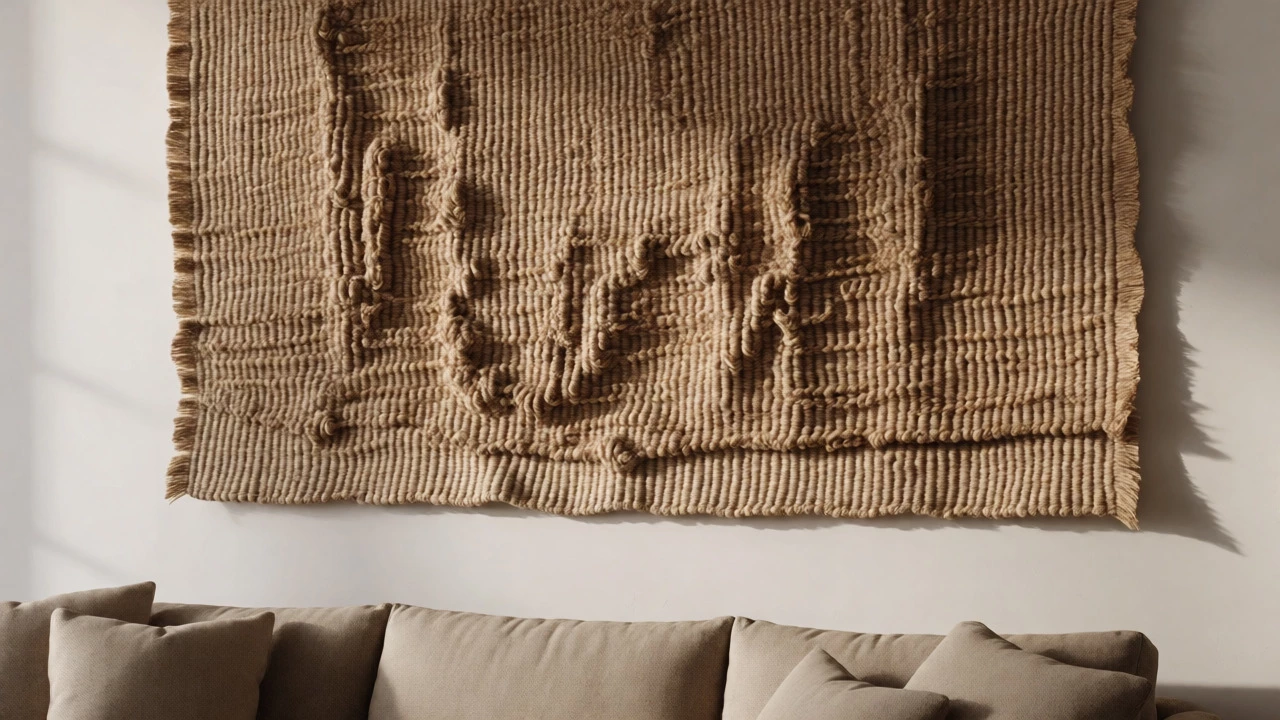
You walk into a friend’s new apartment, and the first thing you notice isn’t the furniture-it’s the massive, textured piece hanging above their sofa. It stops you in your tracks. That is the power of wall art. In 2024, we aren’t just filling empty space; we are curating experiences on our walls. If you have been staring at a blank white expanse wondering what to hang, you are not alone. The rules have changed. Gone are the days when matching sets from a big-box store were the default. Today, it is about personality, texture, and breaking the grid.
Key Takeaways
- Texture over flatness: Woven tapestries and 3D sculptures are replacing traditional framed prints.
- Oversized impact: One large statement piece beats a cluttered gallery wall for most modern homes.
- Natural materials: Rattan, jute, and raw wood bring warmth and biophilic design indoors.
- Personalization: Custom maps and family portraits are trending more than generic stock landscapes.
- Mixing eras: Combining vintage frames with contemporary digital art creates high-end contrast.
The Shift From Flat Prints to Textured Statements
For years, the standard advice was simple: buy a print, frame it, hang it. But if you look at current interiors, flat paper behind glass feels increasingly sterile. We are seeing a massive shift toward tactile art. Think woven tapestries, macramé pieces, and sculptural metal work. Why? Because our lives are so digital that we crave physical touch and depth in our living spaces.
A flat canvas absorbs light differently than a woven rug hung on a wall. The latter casts shadows. It moves slightly when air circulates. It feels alive. If you want to update your room quickly, swap one framed poster for a textile piece. You will instantly add warmth and acoustic dampening to the room. This trend aligns perfectly with the broader move toward "quiet luxury," where quality and material matter more than loud branding or busy patterns.
Why Oversized Art Dominates Modern Interiors
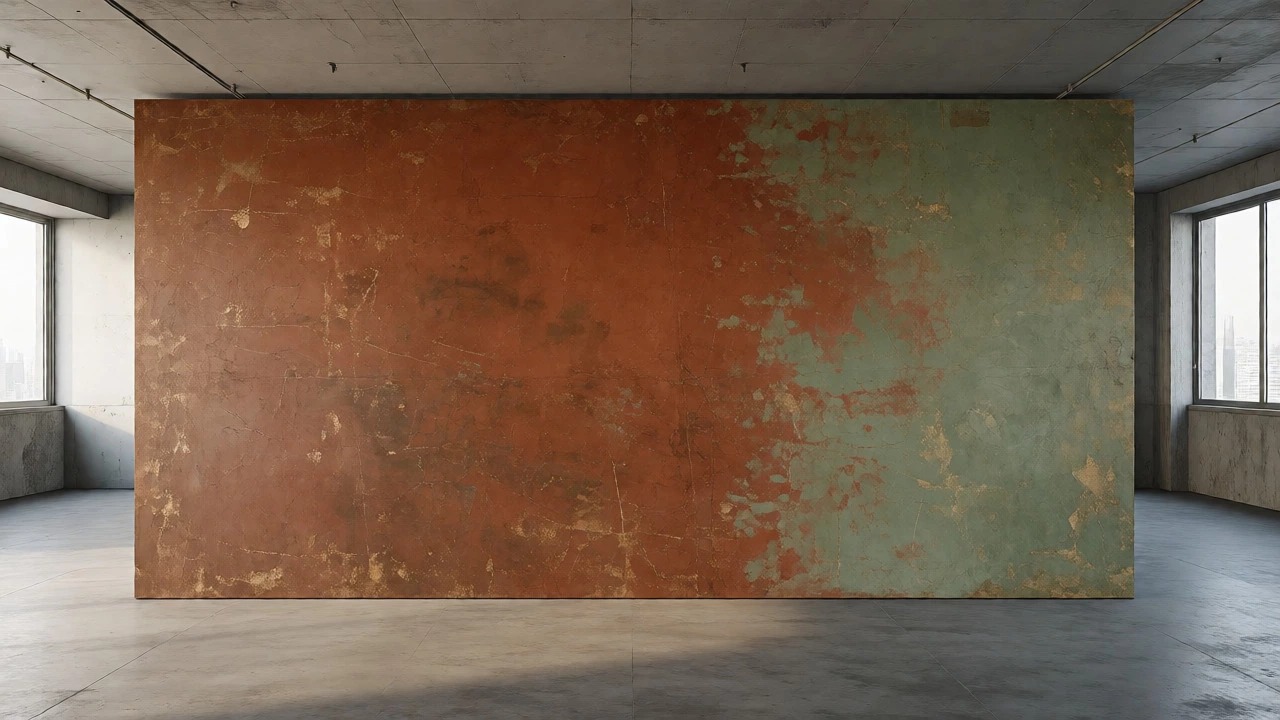
Small art gets lost. In open-plan living areas, which are common in Melbourne apartments and suburban homes alike, small frames look like afterthoughts. The trend for 2024 is going big-really big. We are talking canvases that span two-thirds of the width of a sofa or larger.
This isn’t just about scale; it is about focus. A single large piece acts as an anchor. It tells your eye where to rest. It simplifies the visual noise. If you are worried about cost, consider printing a high-resolution image on a large canvas rather than buying multiple smaller originals. The impact per dollar is often higher with one giant piece than with five medium ones. Plus, installation is easier. One hook versus five holes in the drywall? I know which one I prefer.
Biophilic Design and Natural Materials
Bringing the outside in is no longer just a gardening hobby; it is a core design principle. Biophilic design uses natural elements to reduce stress and improve well-being. In terms of wall art, this means using materials that originate from the earth. Bamboo frames, driftwood sculptures, cork panels, and botanical illustrations printed on recycled paper are having a moment.
This goes beyond just depicting plants. It is about the actual material composition of the art. A painting done with natural pigments on linen has a different energy than a synthetic acrylic on polyester. If you live in a concrete-heavy urban environment, these organic textures provide a necessary counterbalance. They soften hard lines and introduce irregularity, which humans find naturally calming.
| Trend Type | Best For | Material Focus | Vibe |
|---|---|---|---|
| Textile/Tapestry | Boho, Japandi, Minimalist | Cotton, Wool, Silk | Warm, Soft, Acoustic |
| Oversized Canvas | Modern, Industrial, Open Plan | Linen, Cotton Canvas | Bold, Clean, Focal |
| Botanical/Nature | Scandi, Coastal, Green Homes | Recycled Paper, Wood | Fresh, Calming, Organic |
| Abstract Sculpture | Contemporary, Luxury | Metal, Resin, Stone | Artistic, Unique, High-End |
Personalization Beats Generic Landscapes
Remember those mass-produced sunsets sold in every gift shop? They are fading out. Homeowners now want art that tells their story. Custom city maps, hand-drawn family portraits, and photos from meaningful trips are dominating shelves. This is part of the "maximalism" pushback against sterile minimalism. People want their homes to feel inhabited, not staged.
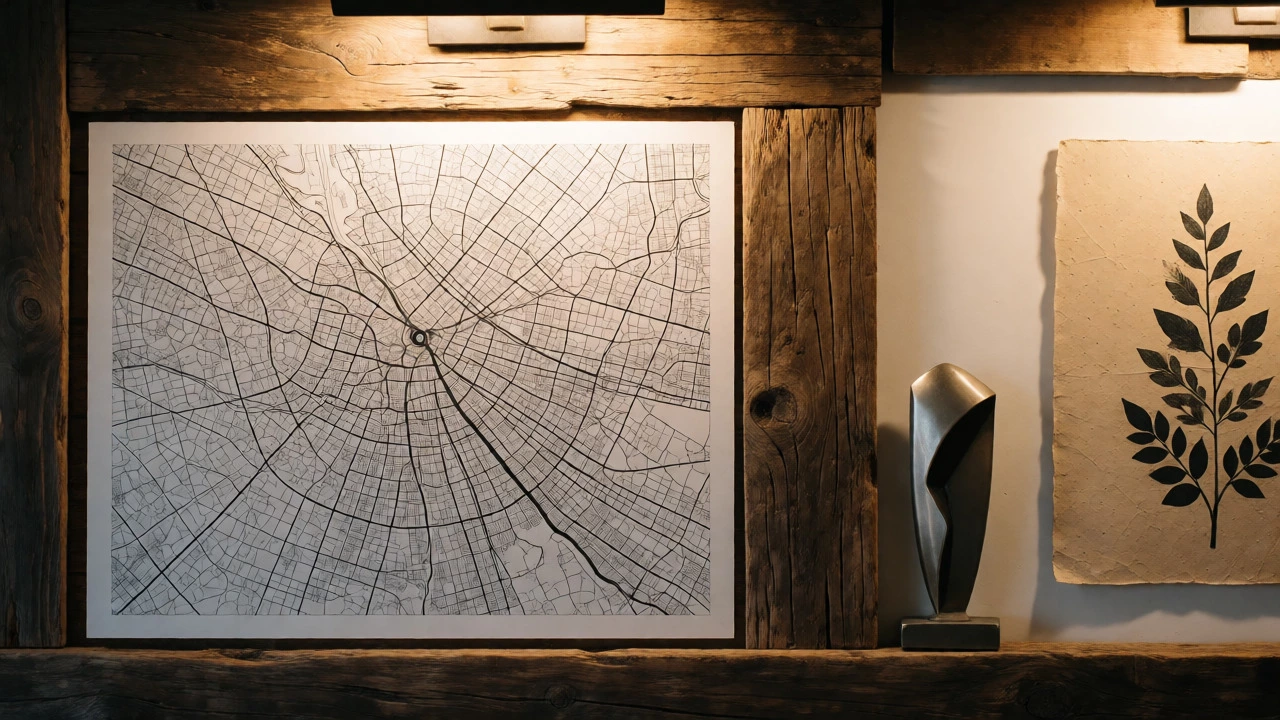
If you have kids, commissioning a custom illustration of their favorite book character adds charm without looking childish. If you love travel, a framed map of your hometown with a pin marking your birthplace creates an instant conversation starter. The key here is specificity. Generic art fades into the background. Personal art sticks in memory because it carries emotional weight.
How to Hang It Like a Pro
Buying the right art is only half the battle. Hanging it wrong can ruin even the best piece. The old rule of "center of the art at eye level" still applies, but "eye level" varies. Generally, aim for the center of the artwork to be 57 to 60 inches from the floor. This is the average eye level used by museums.
When placing art above furniture, leave a gap of 6 to 8 inches between the top of the sofa or console table and the bottom of the frame. Too much space makes the art look like it is floating away; too little looks cramped. And please, stop using tiny nails for heavy canvases. Use proper anchors. There is nothing worse than waking up to a crashed masterpiece.
Lighting Changes Everything
You might buy a stunning piece, hang it correctly, and still feel something is off. Check your lighting. Most people rely solely on overhead ceiling lights, which cast harsh shadows and flatten colors. To make your wall art pop, use picture lights or track lighting angled directly at the piece.
Even a small LED strip hidden behind a frame can create a halo effect that separates the art from the wall. This technique works exceptionally well for textured pieces, emphasizing the weave or brushstrokes. If you cannot install wired lighting, battery-operated puck lights are a cheap, effective alternative. Just remember to check the batteries monthly.
FAQ
Is gallery style still popular in 2024?
Yes, but the execution has changed. Instead of perfectly symmetrical grids, 2024 favors asymmetrical arrangements. Mix frame sizes, shapes, and even mediums (like combining a photo with a sketch). The goal is a curated, collected-over-time look rather than a pre-planned layout.
What color palettes are trending for wall art?
Earth tones remain strong, including terracotta, sage green, and warm beige. However, there is also a rise in bold, saturated accents like deep teal or mustard yellow used sparingly. Monochrome black-and-white photography continues to be a safe, timeless choice for high-contrast modern spaces.
How do I choose art for a rental property?
Focus on freestanding solutions. Large leaning canvases, easels, and tension rods with fabric art allow you to decorate without drilling holes. Peel-and-stick wallpaper borders or removable adhesive hooks are also great for renters who want to experiment with trends without damaging paint.
Can I mix different art styles in one room?
Absolutely. In fact, mixing styles is encouraged. Pairing a sleek, modern abstract print with a rustic wooden frame creates interesting tension. The unifying element should be color or theme rather than style. For example, use blue tones across all pieces, regardless of whether they are photographic, painted, or woven.
Where is the best place to buy trendy wall art online?
Etsy is excellent for unique, handmade, and personalized pieces. For high-quality prints, sites like Society6 or local artist platforms offer diverse styles. Always check shipping times and return policies, especially for large canvases, as damage during transit can be frustrating to resolve.