
Wall Art Placement Risk Analyzer
Configure Your Setup
Analysis Result
Click "Analyze Placement" to see your risk score.
You just bought that stunning piece of artwork. It’s the perfect color, the right size, and it speaks to your soul. You grab a hammer and nail, find a spot on the wall, and boom-it’s up. But something feels off. The room looks cluttered. The art feels lonely. Or worse, you realize an hour later that you’ve drilled into a power outlet.
Hanging wall art seems simple until you consider the physics of light, the psychology of space, and the practicalities of daily life. Most people focus entirely on where *to* hang pictures-eye level, centered over furniture, etc. Fewer think about where *not* to hang them. Avoiding these seven common pitfalls will save you from drywall damage, ruined frames, and awkward living spaces.
1. Directly Above Heat Sources or Radiators
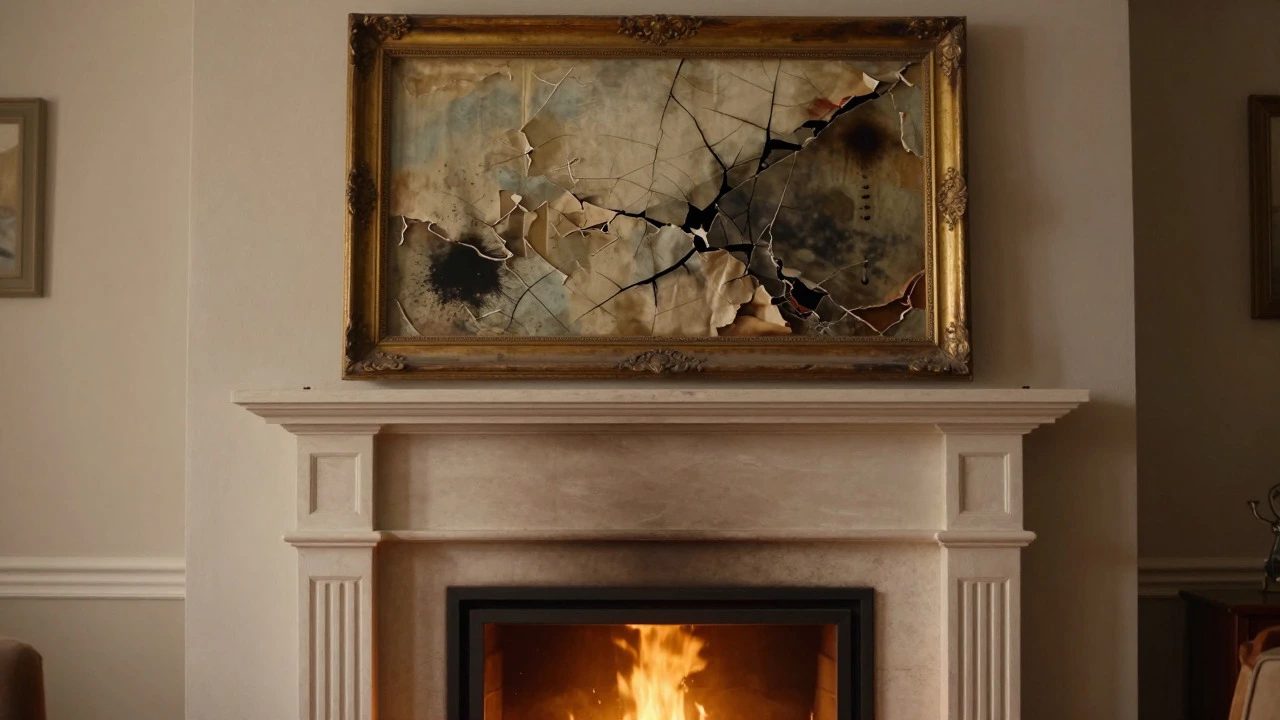
We all want our art to be seen, so we often place it above radiators, fireplaces, or heating vents. This is one of the most damaging places for any framed piece. The constant fluctuation in temperature causes the wood of the frame to expand and contract. Over time, this leads to warping, cracking, or gaps between the frame and the matting.
If you have a fireplace, resist the urge to create a gallery wall directly above the mantel unless you use heat-resistant glass and synthetic materials. Even then, the soot and airborne particles can settle on the surface, requiring frequent cleaning that risks scratching the glass. A better alternative? Place a mirror above the mantel. Mirrors reflect light and don’t suffer from the same thermal degradation as canvas or paper prints.
2. In Direct Sunlight Without UV Protection
Natural light is beautiful, but it’s also the enemy of longevity. If you hang a watercolor, photograph, or uncoated print in a window-facing wall that receives direct afternoon sun, you are essentially setting a timer on its lifespan. Ultraviolet (UV) rays break down the chemical bonds in pigments, causing fading within months rather than years.
Check the path of the sun in your home. If a wall gets hit by harsh rays between 2 PM and 4 PM, avoid hanging sensitive artwork there. If you must, ensure the frame has UV-protective glazing. Standard acrylic or glass does not block enough UV radiation. Look for museum-grade plexiglass with a UV filter. For oil paintings or resin-coated prints, the risk is lower, but prolonged exposure still dulls the vibrancy of colors.
3. Too High or Too Low Relative to Eye Level
This isn’t just about aesthetics; it’s about human ergonomics. The standard rule in interior design is to hang the center of the artwork at 57 inches (about 145 cm) from the floor. This aligns with the average adult’s eye level when standing. However, many people hang art too high because they want to “show it off” or fill empty vertical space.
When art is hung too high, it creates a disconnect. You have to crane your neck to see it, which makes the viewer feel small and the room feel cavernous. Conversely, hanging art too low-especially in rooms with tall ceilings-makes the space feel cramped and childish. Measure twice. Use painter’s tape to mark the height before drilling. If you’re hanging a large piece, adjust slightly downward if the room has low ceilings, or upward if you have exceptionally tall residents.
4. Over Furniture That Isn’t Anchored
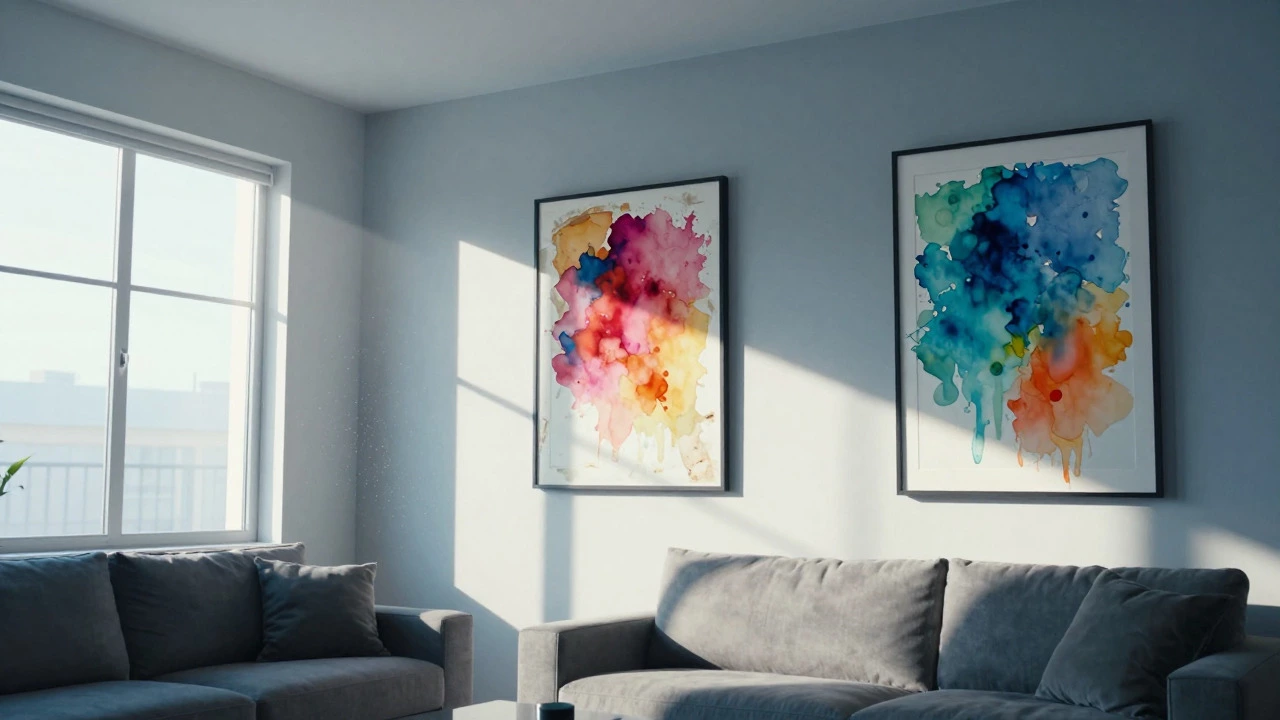
Centering art over a sofa, bed, or console table is a classic technique. But here’s the catch: the artwork should relate to the furniture below it. A common mistake is hanging a small picture over a massive sectional sofa. The scale is wrong. The art looks like a postage stamp on a billboard.
The width of the artwork should be roughly two-thirds to three-quarters the width of the furniture beneath it. If you have a wide sofa, consider a triptych (three connected pieces) or a single large panoramic piece instead of a tiny square. Also, leave 6-8 inches between the top of the furniture and the bottom of the frame. Anything less feels crowded; anything more feels disconnected.
5. In High-Traffic Hallways or Near Doors
Hallways are tempting spots for gallery walls because they’re long and narrow. But hallways are also high-traffic zones. People brush past walls, open doors forcefully, and bump into things. Hanging delicate frames here invites disaster. A swinging door can easily crack a glass pane or dent a wooden frame.
If you must decorate a hallway, choose robust materials. Metal prints, ceramic tiles, or thick acrylic panels are far more durable than traditional framed photos. Keep the art at least 12 inches away from door edges. Better yet, reserve your most precious pieces for quiet rooms like bedrooms or studies where they won’t get jostled by daily commotion.
6. On Walls With Hidden Utilities or Structural Weaknesses
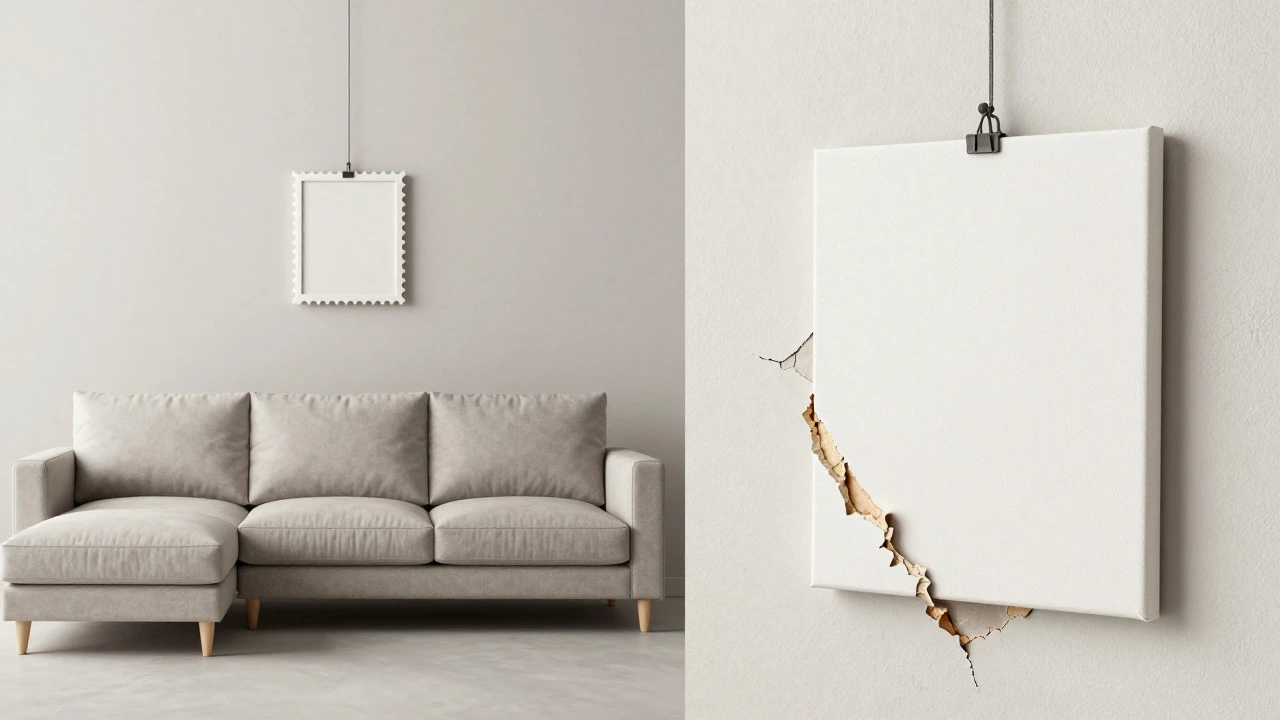
Before you pick up a drill, think about what’s behind the wall. Drywall alone can hold lightweight frames with proper anchors. But heavier pieces need studs. If you hang a 20-pound canvas on drywall without finding a stud, it will pull out eventually, taking a chunk of plaster with it.
Use a stud finder. If you can’t find a stud, use heavy-duty toggle bolts designed for hollow walls. Also, check for electrical outlets, switches, and plumbing pipes. Many homes have wiring running vertically or horizontally through walls. Drilling blindly can short-circuit your lighting or burst a pipe. When in doubt, hire a professional installer for expensive or oversized pieces.
7. In Humid Areas Like Bathrooms or Kitchens
Bathrooms and kitchens are humid environments. Steam from showers and cooking builds up moisture in the air. This moisture seeps into the frame, causing mold growth on the back of the artwork and swelling the wood. Paper-based prints are particularly vulnerable.
If you love bathroom decor, opt for sealed metal prints, ceramic tiles, or waterproof vinyl decals. These materials resist humidity and are easy to wipe clean. Avoid linen mats, unpainted wood, or porous canvases in these rooms. If you insist on traditional art, ensure the room has excellent ventilation with an exhaust fan that runs during and after every shower.
| Location | Risk Factor | Best Alternative |
|---|---|---|
| Above Radiators | Heat warps frames | Mirrors or metal prints |
| Direct Sunlight | UV fades colors | UV-protected glass or shaded walls |
| Too High/Low | Ergonomic discomfort | Center at 57 inches from floor |
| Over Large Furniture | Scale mismatch | Triptychs or large panoramas |
| Near Doors | Physical impact | Durable materials or quiet rooms |
| Without Studs | Wall damage | Toggle bolts or stud mounting |
| Bathrooms/Kitchens | Humidity & mold | Ceramic tiles or sealed metal |
How to Fix Common Hanging Errors
Made a mistake? Don’t panic. Most hanging errors are reversible. If your art is crooked, use a level to adjust the hooks. If the frame is pulling away from the wall, replace the nails with appropriate anchors. If the art is faded, move it to a shadier spot immediately to prevent further damage.
For structural issues like holes in drywall, use spackle and sandpaper to smooth the surface before rehanging. Always let the paint dry completely before adding new weight. If you’re unsure about the integrity of the wall, consult a handyman. It’s cheaper to pay for professional installation now than to repair water damage or replace a ruined masterpiece later.
What is the best height to hang pictures?
The standard height is 57 inches from the floor to the center of the artwork. This aligns with average eye level. Adjust slightly based on ceiling height and viewer perspective.
Can I hang art above a radiator?
It’s not recommended. Heat causes frames to warp and fade. Use mirrors or heat-resistant metal prints if you must decorate this area.
How do I protect art from sunlight?
Use UV-protective glazing like museum-grade plexiglass. Avoid placing sensitive prints in direct sun paths. Rotate seasonal art to reduce exposure.
Is it safe to hang heavy art on drywall?
Only if you use heavy-duty anchors like toggle bolts. Never rely on nails alone for pieces over 10 pounds. Locate studs whenever possible.
What type of art works best in bathrooms?
Choose moisture-resistant materials like sealed metal prints, ceramic tiles, or waterproof vinyl. Avoid paper, canvas, and untreated wood.