
European Storage Space Calculator
Enter your clothing inventory to estimate the furniture required.
Your Storage Solution
Recommended Furniture
Floor Space Impact
Estimated Footprint: 0 sq ft (m²)
Enter details to see your storage plan.
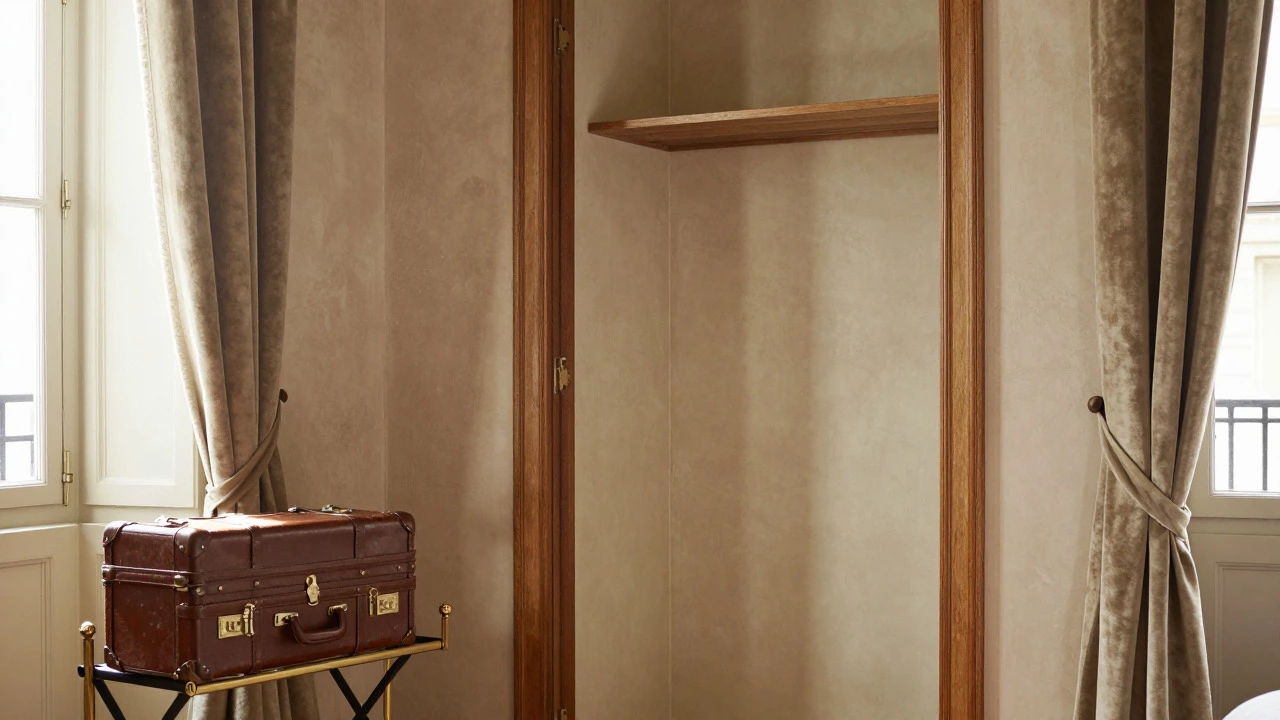
You walk into a hotel room in Paris or a rental apartment in Berlin, and you notice something immediately: there is no closet. Just a door that opens to reveal... nothing but wall. For travelers from North America, this can feel like a design flaw. It looks like an afterthought. But if you have ever lived in Europe for more than a few weeks, you know it isn’t a mistake. It is a cultural standard.
The absence of built-in closets in many European homes is not due to poor planning or lack of space. It stems from historical construction methods, different approaches to furniture ownership, and a fundamental shift in how people view their living spaces. Understanding why this difference exists helps explain not just where your clothes go, but how Europeans live differently than Americans.
The Historical Roots of Open Storage
To understand the present, we have to look at the past. In medieval and early modern Europe, houses were built with thick stone walls and small windows. Interior walls were often load-bearing, meaning you could not easily knock them down or carve out space for recessed cabinets without risking structural integrity. Building a closet required removing significant square footage from already cramped rooms.
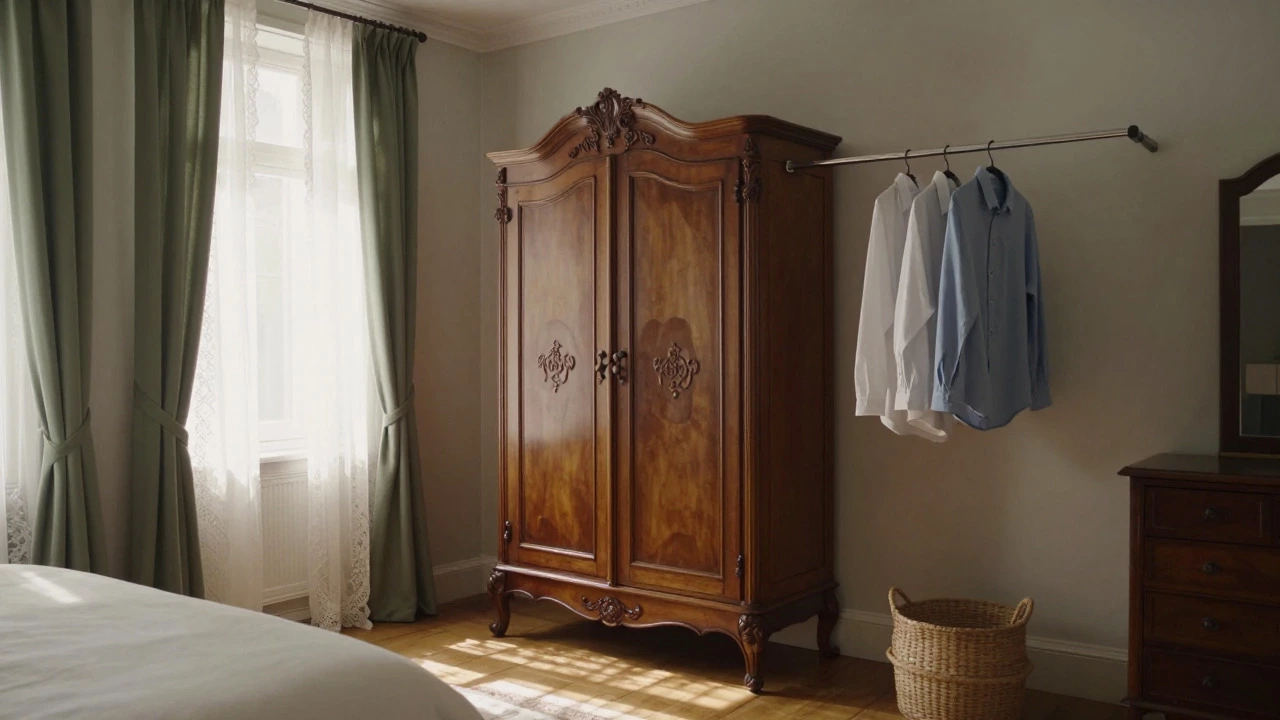
Instead of building storage into the architecture, people stored items in furniture. Chests, trunks, and wardrobes were movable assets. If you moved to a new city, you took your storage with you. This tradition stuck. Even as construction techniques improved in the 19th and 20th centuries, the habit of using standalone furniture persisted. In countries like France, Italy, and Spain, the armoire became the centerpiece of bedroom storage. These large, ornate wooden cabinets were status symbols. They held linens, clothes, and valuables all in one place.
In contrast, the United States saw a boom in suburban development after World War II. Builders constructed millions of identical homes quickly. To maximize perceived value and streamline construction, they began incorporating simple, box-like closets into the drywall frames. It was cheap, fast, and standardized. The American closet became a feature of the house itself, not the furniture inside it.
Furniture vs. Architecture: A Design Philosophy
The core difference lies in what is considered permanent. In the US, a house is a static shell. You buy the structure, and you fill it with temporary furniture. In much of Europe, especially in older cities, the architecture is historic and protected. You cannot simply remodel a 100-year-old apartment in Rome to add a closet because the facade and internal layout might be regulated by heritage laws.
This leads to a preference for flexible interior design. Europeans tend to invest heavily in high-quality, durable furniture rather than fixed architectural elements. An armoire or a wardrobe is seen as a piece of art or a functional object that can be replaced, upgraded, or moved. A built-in closet is fixed. If you dislike it, you are stuck with it unless you do major renovation work.
Consider the concept of "modularity." Modern European apartments, particularly those built in the mid-20th century in Germany or Scandinavia, often use modular storage systems. Instead of a dark, enclosed closet, you might find open shelving units, tension rods, or sliding doors that cover a section of the wall. This approach allows light to flow through the room, making small apartments feel larger and airier.
The Rise of the "Walk-In" Alternative
While traditional closets are rare, storage solutions in Europe have evolved. In newer constructions, particularly in Northern Europe and major cities like London or Amsterdam, developers are starting to include more built-in storage. However, it rarely looks like the American standard. You will often see:
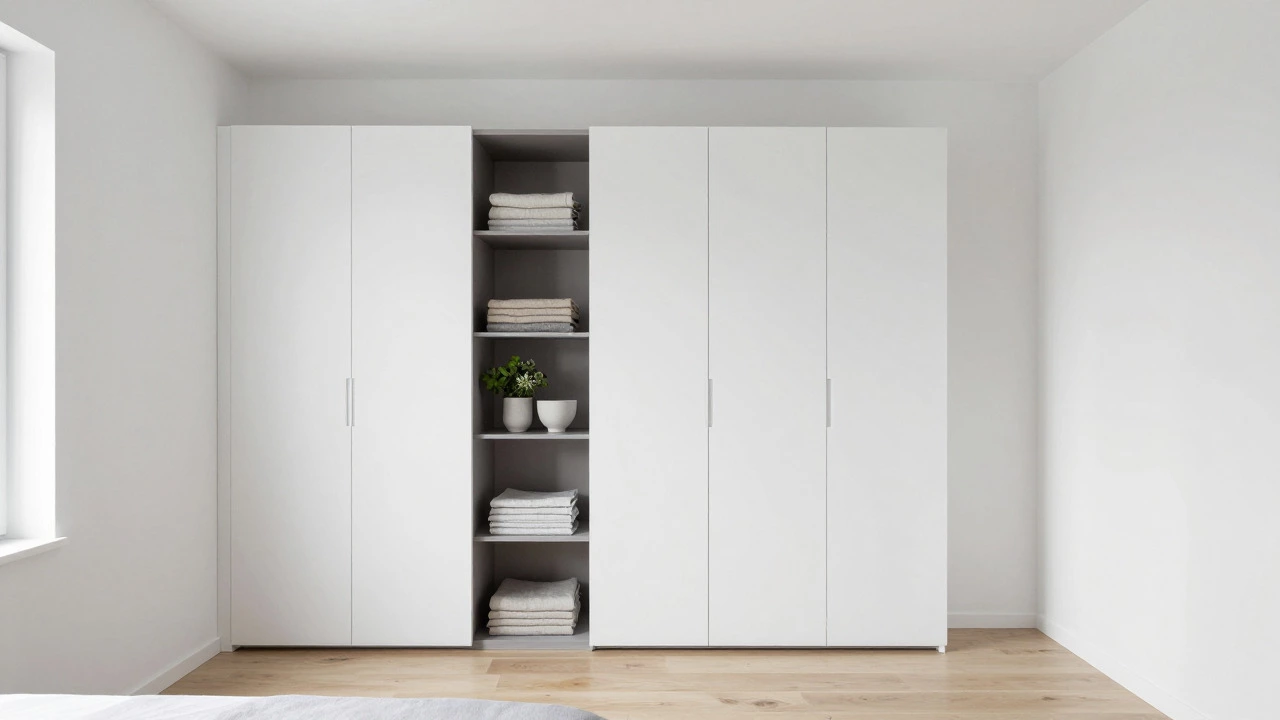
- Sliding Door Cupboards: Flat panels that slide across the wall, hiding shelves and hanging rails behind them. These are sleek and save space because they don't swing open into the room.
- Niche Storage: Small alcoves created between load-bearing walls, used for linen or coats.
- Bathroom Linen Cabinets: Deep, floor-to-ceiling cabinets specifically for towels and toiletries, which are often larger in Europe than in the US.
In luxury apartments, you might find a dedicated dressing room or a "walk-in" area, but these are exceptions rather than the rule. For the average renter, the solution remains furniture-based.
Practical Solutions for Living Without Closets
If you are moving to Europe or renovating an old European property, you need to adapt your storage strategy. Here is how most residents handle the lack of built-in closets:
- Invest in a Quality Wardrobe: Look for a tall, narrow wardrobe with both hanging space and shelves. Brands like IKEA (popular across Europe) offer models designed specifically for small spaces. Measure your height carefully; European ceiling heights vary, and you want the wardrobe to fit snugly without hitting the ceiling.
- Use Tension Rods: If you have a corner or a wide doorway that is unused, install a tension rod. It creates an instant hanging space for shirts and dresses without drilling holes in historic walls (which landlords often forbid).
- Under-Bed Storage: Use the space under your bed for off-season clothing. Rolling bins with wheels make it easy to access heavy winter coats or summer sandals when needed.
- Open Shelving with Baskets: Open shelves keep the room feeling bright. Use woven baskets to hide clutter. This method requires regular tidying but reduces the visual bulk of a large wooden cabinet.
- Coat Racks: Keep everyday jackets and bags on a stylish coat rack near the entrance. This prevents the bedroom from becoming a dumping ground for outerwear.
| Feature | North American Standard | European Common Practice |
|---|---|---|
| Primary Storage Type | Built-in recessed closets | Standalone wardrobes/armoires |
| Flexibility | Low (fixed to structure) | High (movable furniture) |
| Aesthetic Impact | Invisible when closed | Furniture acts as decor |
| Renovation Cost | High to modify/remove | Low (buy new furniture) |
| Space Efficiency | Saves floor space | Uses floor space |
Regional Variations Within Europe
It is important to note that "Europe" is not a monolith. Storage habits vary significantly by region.
In Scandinavia, minimalism is key. Apartments are often smaller, so storage is clever and hidden. You will see more integrated cabinetry in kitchens and bathrooms, and bedrooms may use simple, flat-pack wardrobes that blend into the background.
In France, the armoire is still king. Many older apartments retain original wooden closets that are part of the building's character. Newer builds might include "placards," which are shallow built-in cupboards, but they are rarely deep enough for bulky items.
In Germany, efficiency drives design. German apartments often come with fitted kitchens and sometimes fitted bedroom storage units that are bolted to the walls. These are more similar to American closets in function but are installed as modular units rather than framed into the drywall.
In the United Kingdom, you will find a mix. Older Victorian homes have none. Post-war council flats might have small built-in cupboards. Newer developments increasingly include en-suite bathrooms with linen cabinets and master bedrooms with basic wardrobes.
The Cultural Shift Toward Minimalism
There is another reason closets are less necessary in Europe today: people own fewer things. The rise of fast fashion has affected everyone, but there is also a strong counter-movement toward sustainability and minimalism. Many Europeans practice "capsule wardrobes," keeping only essential, versatile pieces. When you own 30 items instead of 150, you do not need a massive closet. A single wardrobe or even a well-organized shelf system is sufficient.
This mindset encourages buying quality over quantity. A wool coat lasts ten years; a synthetic jacket lasts two. With fewer items, storage becomes easier to manage. The focus shifts from hiding clutter to displaying what you love. Books, plants, and art take center stage, while clothing is tucked away efficiently.
What to Do If You Hate It
If you are used to walking into a closet and never want to give it up, you can create your own. In a rental, look for a room with a large empty wall. Install a freestanding closet organizer system. These are metal or plastic frames that hold shelves, drawers, and hanging rods. They look like a closet but require no construction.
If you own the property, consider hiring a carpenter to build a custom wardrobe that fits into a niche. Use mirrored doors to reflect light and make the room feel bigger. Or, convert a small spare room or hallway nook into a dedicated dressing area. The key is to think vertically. Use the full height of the room for storage.
Do any European countries have built-in closets?
Yes, but it depends on the age of the building. Newer constructions in Germany, the Netherlands, and parts of the UK often include built-in storage or fitted wardrobes. However, these are usually modular units added during renovation, not recessed closets framed into the walls like in the US.
Why don't hotels in Europe have closets?
Many older European hotels are housed in historic buildings where adding closets would damage the structure. Instead, they provide luggage racks and sometimes a small safe. Some modern hotels have started adding sliding-door cupboards, but it is not yet universal.
Is it expensive to add a closet to an old European apartment?
It can be very expensive. Because walls are often load-bearing, you cannot simply cut a hole. You would likely need to install a freestanding unit or a surface-mounted cabinet. Structural changes require permits and engineers, which adds cost and time.
What is the best furniture alternative to a closet?
A tall, narrow wardrobe with a mix of hanging space and shelves is the best alternative. Look for one with a mirror on the door to save space. For smaller spaces, a compact armoire or a set of open shelves with baskets works well.
Do Europeans really own fewer clothes?
On average, yes. Studies suggest that consumers in Northern Europe tend to buy fewer, higher-quality garments compared to those in the US. Additionally, smaller apartment sizes force people to be more selective about what they keep.