
Wallpaper vs. Paint Cost Estimator
Enter your wall dimensions to compare the approximate material costs of using traditional wallpaper versus standard interior paint.
Materials Needed:
- 0 Gallons of Paint
- Primer (if needed)
- Brushes/Rollers
Materials Needed:
- 0 Rolls of Wallpaper
- Paste/Adhesive
- Cutting Tools
💡 Analysis & Recommendation
Enter dimensions to see specific advice based on your project size.
You walk into a friend's living room, and the first thing you notice isn't the furniture or the lighting. It’s the walls. Maybe it’s a bold floral print from the 90s that never got removed, or perhaps it’s a trendy geometric pattern that clashes horribly with their sofa. You think, "I could never live with this." And you’re not alone. Despite wallpaper being one of the most versatile tools in an interior designer's arsenal for adding texture and color, it has a surprisingly bad reputation among homeowners.
Why is this? Why do so many people treat wallpaper like a relic of the past or a risky gamble they’d rather avoid? It’s not just about taste. There are practical fears, financial concerns, and genuine frustrations tied to the installation and removal process. If you’ve ever hesitated before buying a roll of paper, wondering if it’s worth the hassle, this breakdown explains exactly why people shy away from wallpaper-and how modern solutions are changing the narrative.
The Removal Nightmare: The Biggest Fear Factor
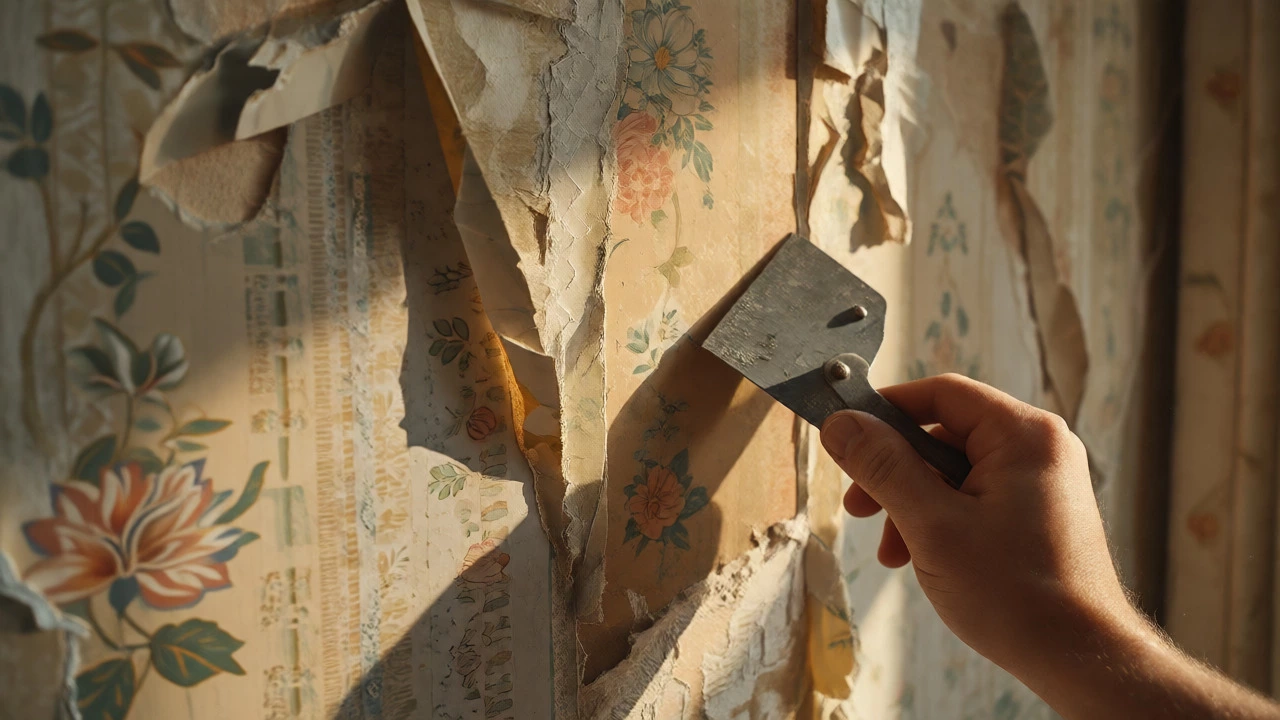
If you ask anyone who hates wallpaper why they feel that way, 80% will mention removal. This fear is rooted in real experience. Traditional vinyl wallpapers, especially those glued directly onto plasterboard without a proper lining paper, can become fused to the wall surface. When you try to peel them off, they often tear into tiny, stubborn fragments. Worse, the adhesive underneath might pull down layers of paint or even damage the drywall paper facing itself.
For renters, this is a dealbreaker. Breaking a lease usually requires returning the property to its original state. If you spend hours scraping glue and patching holes, your bond money evaporates faster than water in summer. Even for owners, the prospect of spending a weekend with a steam roller and a scraper sounds exhausting compared to simply painting over a mistake. This "removal anxiety" stops many people from trying wallpaper in the first place, pushing them toward safer, easier-to-change options like removable decals or just sticking to paint.
The Installation Barrier: DIY Disasters
Painting a wall is forgiving. If you miss a spot, you go back over it. If the brush strokes are uneven, no one notices until you look really closely. Wallpaper is different. It demands precision. A millimeter misalignment on the first strip creates a cascading error down the entire wall. Bubbles, creases, and visible seams are glaringly obvious under direct light.
Many homeowners underestimate the skill required to hang wallpaper correctly. They buy a cheap paste and a standard brush, then struggle with heavy rolls slipping down the wall before they can smooth them out. The result? A crooked pattern that looks amateurish. Because professional installers can cost between $50 and $100 per hour depending on complexity, the DIY route seems attractive. But when the DIY attempt fails, the homeowner ends up paying twice: once for materials and wasted time, and again to have a pro fix or remove the mess. This high risk of failure discourages casual experimentation.
Cost vs. Value: Is It Worth the Price Tag?
Let’s talk numbers. A gallon of quality interior paint costs around $50-$80 and covers roughly 350 square feet. A single roll of mid-range wallpaper might cost $40-$60 but only covers about 25-30 square feet after trimming and matching patterns. Suddenly, covering the same wall space becomes exponentially more expensive.
| Factor | Paint | Wallpaper |
|---|---|---|
| Average Material Cost | $60 - $90 | $150 - $300+ |
| Labor (DIY Time) | Low (Easy) | High (Complex) |
| Removal Effort | Minimal (Repaint) | High (Scrape/Steam) |
| Durability | Medium (Chips/Fades) | High (Resists Scuffs) |
While wallpaper lasts longer and hides imperfections better than paint, the upfront investment feels steep for a trend that might change in five years. In Melbourne, where rental markets fluctuate and housing styles evolve rapidly, committing hundreds of dollars to a specific pattern feels like a financial risk. People worry that if they sell their home, buyers won’t share their love for a dark, moody botanical print, potentially lowering the property’s appeal.
Trend Fatigue: The 'Grandma’s House' Effect
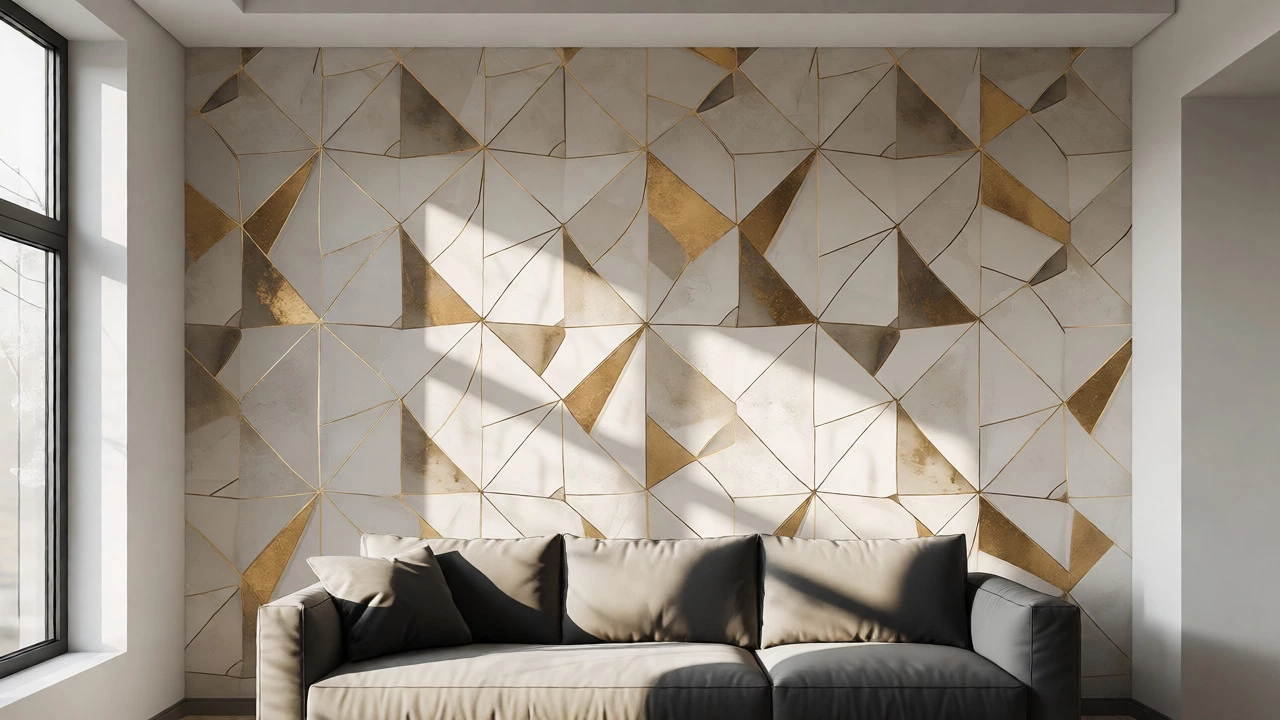
Cultural associations play a huge role in perception. For decades, wallpaper was linked to dated interiors-think beige damask in dining rooms or busy florals in bedrooms. These styles dominated the 70s, 80s, and 90s. Consequently, many people subconsciously equate wallpaper with "old-fashioned" or "cheap." Even though modern designs feature minimalist textures, metallic foils, and sophisticated murals, the stigma lingers.
There’s also the issue of commitment. Trends move fast. What looks chic today-a terrazzo pattern or a maximalist jungle print-might look tired in three years. With paint, you can refresh a room’s vibe for the price of two buckets. With wallpaper, changing the style means ripping everything out. This inflexibility makes people hesitant to embrace bold choices, leading them to stick with neutral paints that offer maximum resale safety.
Technical Issues: Moisture and Mould Concerns
In humid climates or poorly ventilated bathrooms, wallpaper can be problematic. Traditional paper-based wallpapers absorb moisture, which can lead to peeling edges or, worse, mould growth behind the paper. If the wall wasn’t properly primed or sealed, trapped moisture creates a perfect environment for black mould spots to appear weeks after installation.
People living in older homes with damp issues often find that wallpaper exacerbates the problem by hiding early signs of water ingress. By the time you see bubbles forming, the damage behind the paper might already be significant. This technical vulnerability makes homeowners wary, especially in kitchens and bathrooms where steam and splashes are daily realities. Vinyl-coated wallpapers resist moisture better, but they still require careful maintenance and proper ventilation to avoid long-term degradation.
How Modern Wallpaper Is Fighting Back
Despite these complaints, wallpaper isn’t dead. In fact, it’s experiencing a resurgence thanks to innovations designed specifically to address these pain points. Here’s what’s changing:
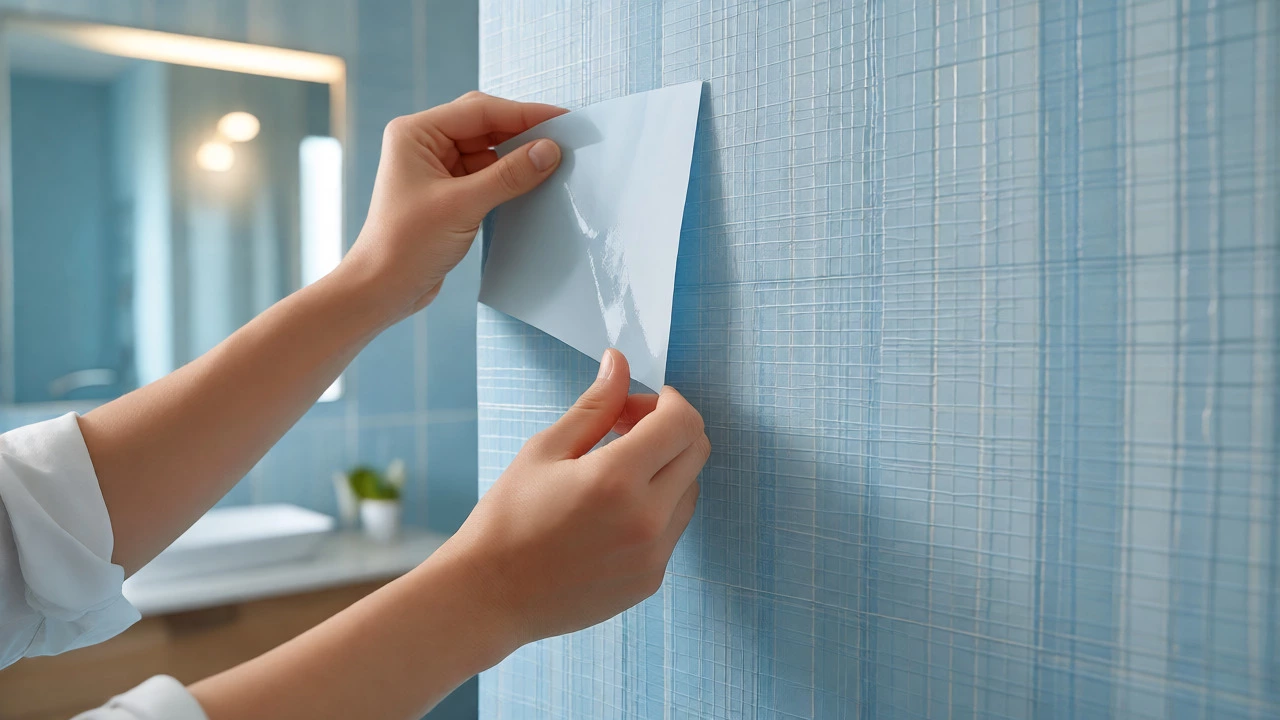
- Peel-and-Stick Technology: Removable wallpapers use low-tack adhesives that allow you to reposition strips during installation and peel them off cleanly later. This solves the renter dilemma and reduces installation stress.
- Non-Woven Substrates: Unlike traditional paper, non-woven wallpapers are breathable and dimensionally stable. They don’t expand or contract significantly with humidity changes, reducing seam gaps and peeling.
- Print-on-Demand Murals: Custom-sized murals eliminate the need for complex pattern matching across multiple rolls. You order a single large piece tailored to your wall dimensions, drastically simplifying the hanging process.
- Sustainable Materials: Brands are now offering eco-friendly options made from recycled paper or grasscloth, appealing to environmentally conscious buyers who previously avoided synthetic vinyls.
These advancements mean that the old reasons for hating wallpaper-difficult removal, messy installation, and rapid obsolescence-are becoming less relevant. The key is choosing the right type of product for your lifestyle. If you rent, stick to peel-and-stick. If you own, consider non-woven vinyl for durability. If you want drama, opt for a custom mural to minimize alignment errors.
When Should You Actually Use Wallpaper?
So, should you ignore the haters? Yes, if you use wallpaper strategically. It shines in spaces where paint falls short:
- Accent Walls: Apply wallpaper to just one wall to add depth without overwhelming the room. This limits cost and exposure to potential dislike.
- Small Spaces: Powder rooms and entryways are perfect candidates. They’re small enough to manage easily, and bold patterns can make tight spaces feel intentional rather than cramped.
- Hiding Imperfections: Textured wallpapers can conceal minor cracks or uneven surfaces in older homes better than flat paint.
- Creating Focal Points: Behind a bed headboard or above a fireplace, wallpaper draws the eye and anchors the design scheme.
The secret isn’t to cover every surface. It’s to use wallpaper as an accessory, not a foundation. Think of it like a statement jacket-you wear it for impact, not because you’re cold.
Is wallpaper cheaper than painting?
Generally, no. Wallpaper material costs are significantly higher per square foot than paint. However, wallpaper lasts longer and doesn’t require frequent repainting, which can offset initial costs over 5-10 years. For immediate budget projects, paint is almost always cheaper.
Can I put wallpaper over existing wallpaper?
You can, but it’s risky. If the old wallpaper is loose, textured, or dark-colored, the new layer may show through or fail to adhere properly. It’s best to remove old wallpaper completely or apply a lining paper first to create a smooth, uniform surface.
Does wallpaper lower home value?
Bold, personalized wallpapers can sometimes deter buyers who prefer neutral spaces. However, high-quality, subtle, or removable wallpapers can enhance perceived value by showing care and style. Neutral tones and classic patterns rarely hurt resale value.
How hard is it to remove peel-and-stick wallpaper?
Very easy. Most peel-and-stick varieties come off in large sheets without residue. Some may leave slight adhesive marks, which can be wiped away with mild soap and water. Always test a corner first to ensure your wall paint withstands the pulling force.
What is the biggest mistake people make with wallpaper?
Underestimating pattern scale. Large patterns overwhelm small rooms, while tiny patterns can look busy and chaotic. Always order samples and tape them to your wall to view them at full size under different lighting conditions before buying.