
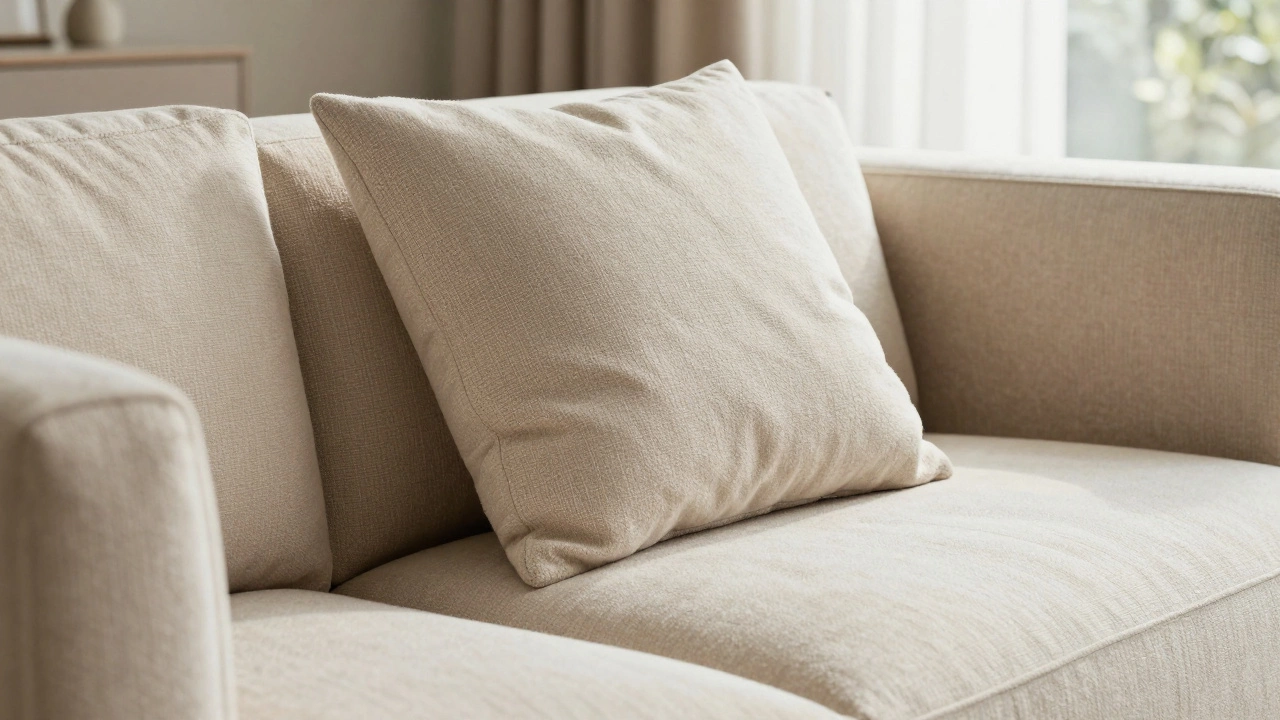
Sofa Foam Recommendation Tool
Your Ideal Configuration:
The Quick Guide to Foam Types
Before you start ordering slabs of foam, you need to understand the players. Not all foams are created equal, and using a bed mattress foam in a sofa cushion is a common mistake that leads to "sinking" feelings.- Polyurethane Foam is the industry standard. It's versatile and comes in various densities. Low-density is cheap and fails quickly; high-density is the gold standard for longevity.
- High Resilience (HR) Foam is a step up. It has a cellular structure that acts like a spring, meaning it snaps back to its original shape much faster than standard poly foam.
- Memory Foam, or visco-elastic foam, contours to your body. While great for beds, it's often too "slow" for sofas, making it hard to get out of the seat.
- latex Foam is a natural alternative. It's incredibly durable and breathable, though it's heavier and more expensive.
Understanding Density vs. Firmness
This is where most people get tripped up. Firmness is how the foam feels when you first touch it; density is how much material is packed into the foam. You can have a soft foam that is high-density (meaning it will last a long time) and a firm foam that is low-density (meaning it will flatten out quickly).If you're looking for the best sofa cushion foam, always prioritize density over firmness. For a standard living room sofa that sees daily use, you want a density of at least 2.5 lbs per cubic foot. Anything under 1.8 lbs is typically reserved for cheap, disposable furniture. If you're dealing with a heavy-use family room, bumping up to 3.0 lbs ensures the cushions won't bottom out after a few movie marathons. Imagine the difference between a sponge and a piece of rubber; the rubber is denser and holds its form regardless of how hard you press it.
| Foam Type | Durability | Support Level | Feel | Best For |
|---|---|---|---|---|
| Standard Poly | Low-Medium | Moderate | Generic | Guest rooms |
| High Resilience (HR) | High | Strong | Bouncy | Main living area |
| Memory Foam | Medium | Low (Sinks) | Contouring | Top layer/Topper |
| Latex | Very High | Very Strong | Responsive | Eco-friendly builds |
The Secret Sauce: Layering and Wrapping
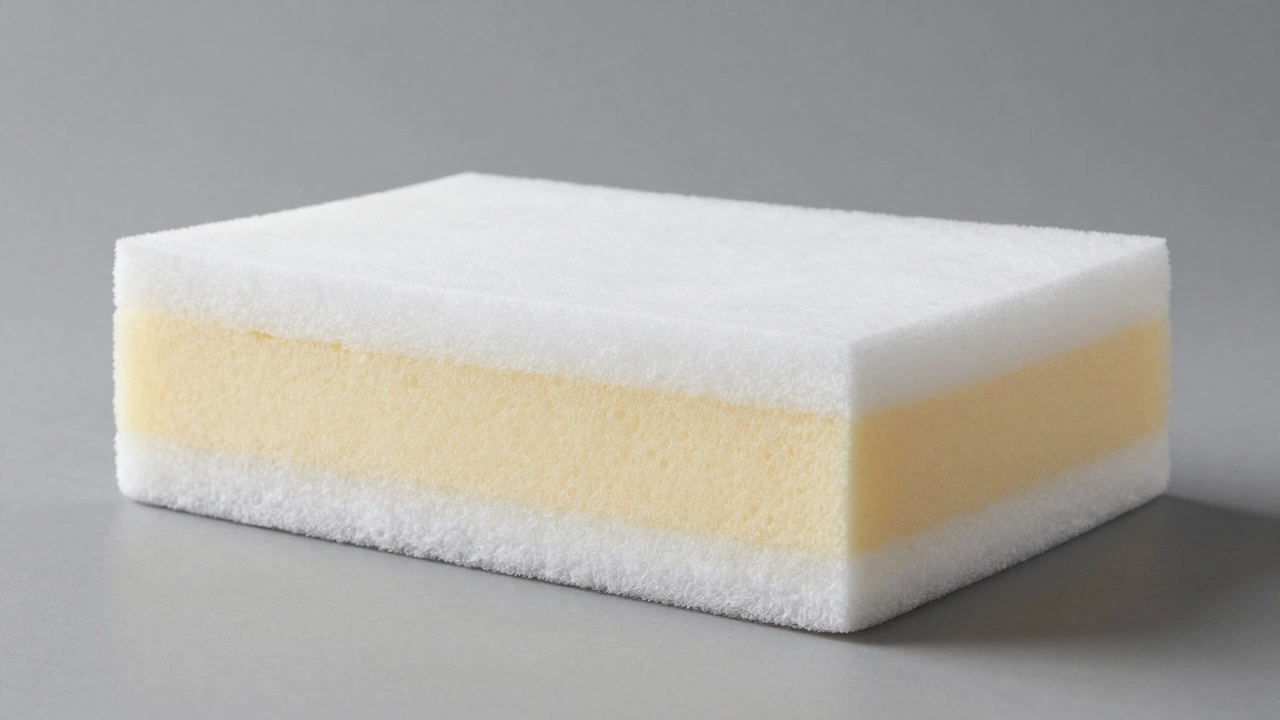
Professional upholsterers rarely use one single block of foam. If you use a single slab of high-density foam, the sofa can feel like sitting on a gym mat. To get that high-end showroom feel, you need to layer.One effective method is the "sandwich" technique. Start with a core of high-density HR foam for support. Then, add a 1-inch layer of softer polyurethane foam or memory foam on top. This gives you the initial "sink-in" comfort without the risk of hitting the frame.
But the real secret is the wrap. Dacron, a polyester batting, is wrapped around the foam core. Without Dacron, the fabric of your cushion will wrinkle and look loose. The batting fills out the corners and gives the cushion a rounded, plump appearance. If your cushions look "deflated" even though the foam is firm, you probably need new batting, not new foam.
How to Measure for Replacement
Don't just measure the fabric cover. If you order foam to the exact dimensions of the cover, the cushion will be too tight, creating unsightly bulges and potentially ripping the seams.Here is the rule of thumb: measure the interior of the cushion cover and add about 0.5 to 1 inch to each dimension. This creates a "full" look. If you're using a thick Dacron wrap, you might need to subtract slightly to account for the batting's bulk. Always measure the thickness (loft) based on how high you want the seat to sit. If you're shorter, a lower profile (4 inches) is better; for taller people, 6 inches provides much better thigh support.
Common Pitfalls to Avoid
Avoid buying "bed foam" for your sofa. Mattress foam is designed for a body that is lying flat, where weight is distributed across a large surface area. Sofa foam needs to handle concentrated weight on a smaller surface. If you put mattress foam in a couch, it will compress and never recover.Another mistake is ignoring the "off-gassing" period. New polyurethane foam releases volatile organic compounds (VOCs) that smell like a chemical factory. Don't panic; this is normal. Let the new foam breathe in a well-ventilated room for 48 hours before sliding it into your covers. If the smell persists, a light misting of water and baking soda can help neutralize it.

Maintenance and Longevity
Foam doesn't last forever, but you can stretch its life. The biggest enemy of foam is moisture and direct sunlight. UV rays break down the chemical bonds in polyurethane, making it brittle and crumbly. If your sofa is in a sun-drenched spot, consider UV-blocking curtains.Additionally, flip and rotate your cushions every few weeks. Just like a mattress, sofa cushions develop "dead spots" where you always sit. Rotating them ensures the weight is distributed evenly across the foam's cellular structure, preventing premature sagging in the center seat.
How do I tell if my sofa foam is actually worn out?
The simplest test is the "hand press." Press your palm firmly into the cushion. If the foam takes more than a second to bounce back, or if you can feel the hard frame beneath it without applying much pressure, the cell structure has collapsed and it's time for a replacement.
Can I just add more foam to an existing cushion?
You can add a foam topper, but it's rarely a permanent fix. If the base foam has lost its density, adding a soft layer on top just creates a temporary feeling of comfort while the overall support remains gone. It's better to replace the core.
Is memory foam good for sofa cushions?
Only as a top layer. Using a solid block of memory foam for a sofa is usually a mistake because it traps heat and makes it difficult to shift positions or stand up quickly. Pair it with high-resilience foam for the best result.
What is the difference between HR foam and standard foam?
HR (High Resilience) foam has a more open cell structure that mimics a spring. While standard foam just compresses, HR foam pushes back more aggressively, meaning it supports your weight better and lasts significantly longer before flattening.
How long does high-density sofa foam typically last?
Depending on the density, a high-quality HR foam with a density of 2.5 lbs or higher can last 7 to 10 years before showing significant wear, provided you rotate the cushions regularly.
Next Steps for Your Sofa Refresh
If you've decided to replace your foam, start by auditing your current seat. Remove the covers and check if the foam is crumbling or just compressed. If it's crumbling, the chemical bonds are gone-don't try to save it. If it's just compressed, you might get away with replacing the Dacron wrap and adding a 1-inch high-density topper. For those looking for a total overhaul, ordering a custom-cut HR foam core is the only way to guarantee that "new sofa" feel for the next decade.