Couch Cushion Durability Estimator
Enter your details to see which foam lasts longest for you.
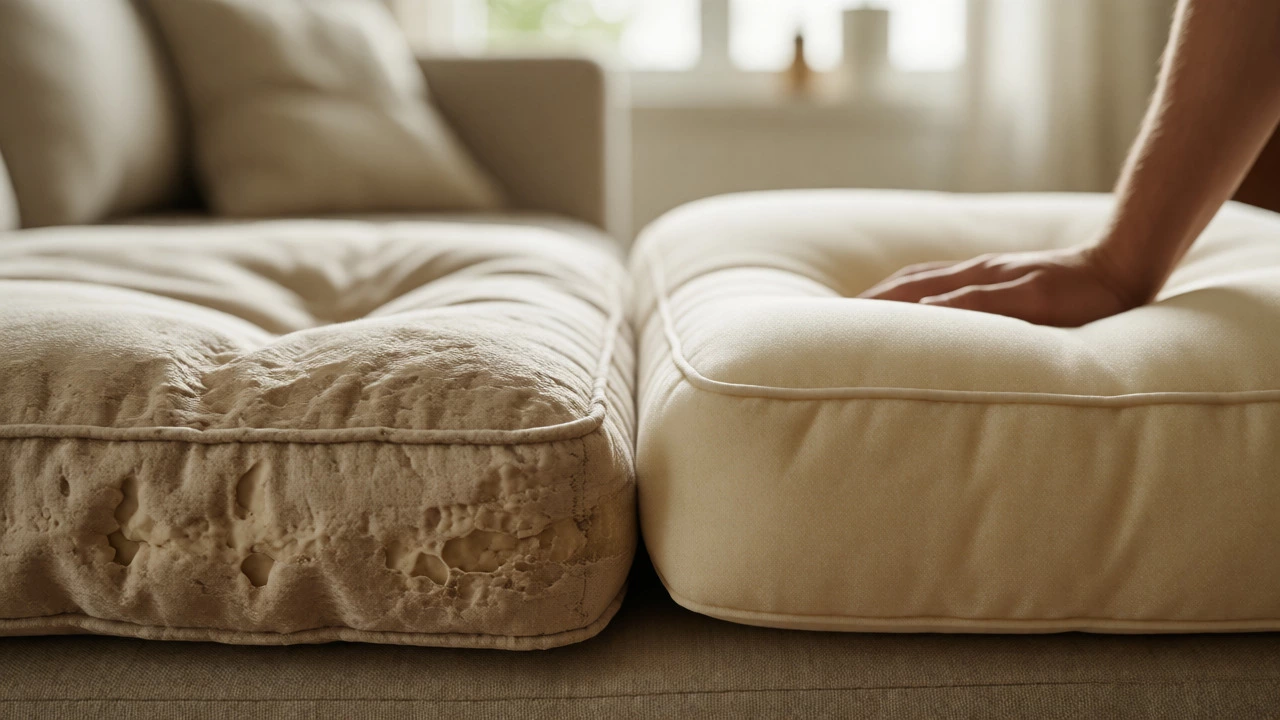
You know that sinking feeling. You buy a beautiful new couch, it feels like a cloud for about six months, and then suddenly you’re sitting on the wooden slats. The sagging isn’t just annoying; it’s expensive. Most people blame the frame or their own weight, but the real culprit is usually the cushion filling. If you want your sofa to survive more than a couple of years without looking like a deflated balloon, you need to understand what goes inside those covers.
The answer to "what lasts longest" isn't a single material, but a specific combination of density and resilience. Generally speaking, High-Density (HD) Polyurethane Foam is the gold standard for longevity in modern sofas. Unlike cheap foam that collapses under its own memory, HD foam springs back. But here is the catch: not all HD foam is created equal. You need to look at the ILD rating and the density number, which are often hidden from casual shoppers.
The Density vs. Firmness Trap
People constantly mix up density and firmness. They think a hard cushion is a durable one. It’s not. Firmness is how soft or hard the foam feels when you press it. Density is how much actual material is packed into a cubic foot. You can have a very firm cushion made of low-density foam that will crumble into dust within two years. Conversely, you can have a plush, comfortable cushion made of high-density foam that lasts fifteen years.
Density is measured in pounds per cubic foot (PCF). For seat cushions, anything below 1.8 PCF is considered low-grade. It’s fine for a decorative pillow on a porch chair, but don’t put your body weight on it daily. To get true longevity, you want a minimum of 2.0 PCF, with 2.5 PCF being the sweet spot for heavy daily use. This metric tells you how many air pockets exist within the foam structure. More solid material means fewer air pockets to collapse over time.
Why High-Density Foam Wins Over Feather and Fiber
Let’s look at the competitors. Feather-filled cushions are luxurious. They mold to your shape and feel incredibly cozy. But they require constant fluffing. If you leave a feather cushion alone for a week, it becomes a flat pancake. Over time, the feathers break down, leak through the fabric, and lose their loft entirely. Unless you enjoy the ritual of plumping pillows every morning, feathers are high-maintenance.
Polyester fiberfill is the other common option. It’s cheap and lightweight. Manufacturers love it because it cuts costs. However, fiberfill compresses quickly. Within a year of regular use, those puffy arms and backs start to look thin and lumpy. It lacks the structural integrity to support your spine over long periods. High-density foam, by contrast, maintains its shape. It doesn’t need fluffing. It doesn’t leak. It simply sits there, doing its job, for a decade or more.
Understanding ILD: The Hidden Number That Matters
If density is about how long the foam lasts, Indentation Load Deflection (ILD) is about how it feels while it lasts. ILD measures the force required to compress a piece of foam by 25% of its height. A lower ILD number means softer foam; a higher number means firmer foam.
- ILD 14-20: Very soft. Great for back cushions where you lean lightly, but too soft for seats unless you weigh less than 130 lbs.
- ILD 25-35: Medium-firm. This is the industry standard for most living room sofas. It offers support without feeling like a rock.
- ILD 40+: Very firm. Often used in commercial settings or for people who prefer a rigid surface. Can feel uncomfortable if you sit for hours.
The best cushions often use a dual-layer approach. A core of high-density foam with an ILD of 30 provides the support, wrapped in a thinner layer of softer foam (ILD 20) for comfort. This hybrid construction prevents the "bottoming out" sensation while keeping the initial sink-in feel pleasant.
Memory Foam: Comfortable but Not Always Durable
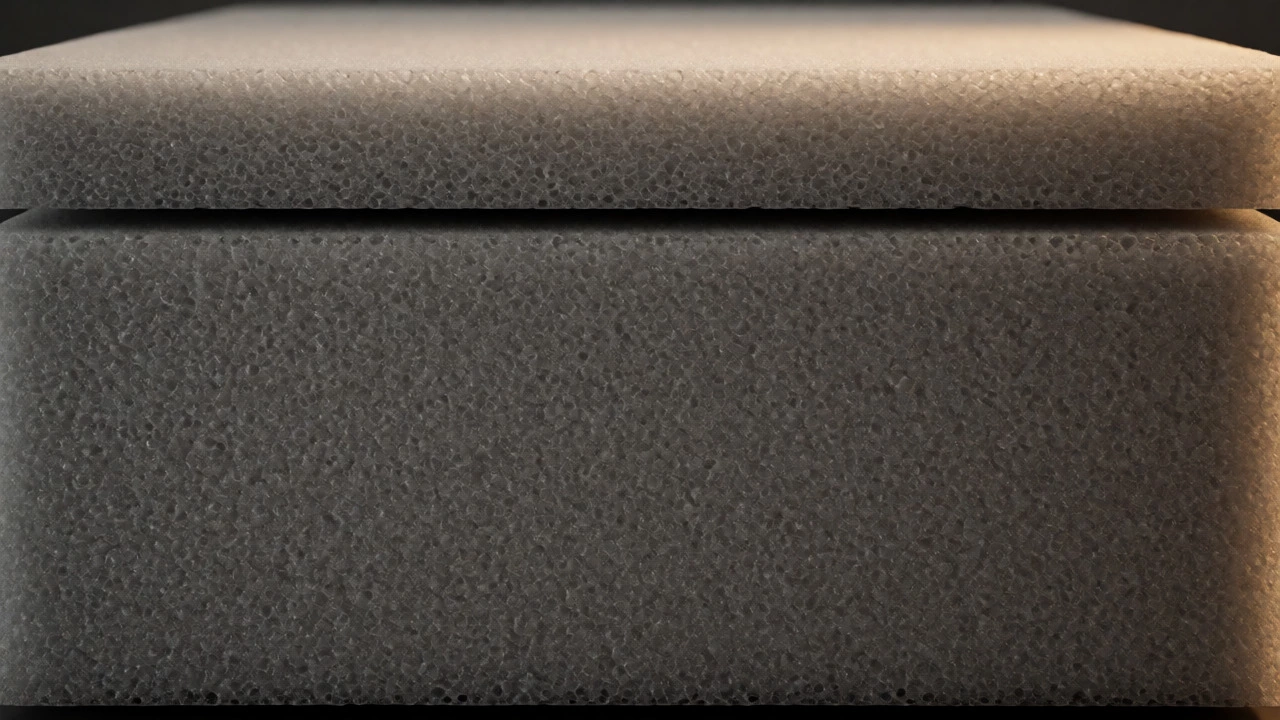
Memory foam is popular because it relieves pressure points. It contours perfectly to your hips and thighs. But does it last? Traditional viscoelastic memory foam has a slow recovery rate. While this feels good initially, it can trap heat and degrade faster than HD polyfoam if exposed to direct sunlight or extreme temperatures. Also, cheaper memory foams tend to soften significantly after three years.
However, newer generations of memory foam are improved. Look for "open-cell" memory foam, which allows better airflow and reduces heat buildup. If you choose memory foam, ensure it is layered over a high-density base. Never buy a cushion that is 100% memory foam for a primary seating area. It will eventually flatten out completely. Use it as a top layer only.
LateX: The Premium Outlier
If budget is no object, natural latex is arguably the most durable material available. Latex is derived from rubber tree sap. It is naturally resistant to dust mites and mold, making it great for allergy sufferers. Its elasticity is superior to polyurethane foam. A high-quality latex cushion can retain its shape for 20 years or more.
Why isn’t everyone using latex? Cost and weight. Latex is significantly heavier than foam, making cushions harder to flip or rotate. It also costs two to three times more than high-density foam. Furthermore, some people find the bounce of latex too springy compared to the gradual sink of foam. But if you want the absolute longest-lasting option and don’t mind paying for it, latex is the winner.
Comparison Table: Material Lifespan and Traits
| Material | Average Lifespan | Maintenance | Comfort Level | Cost Factor |
|---|---|---|---|---|
| Low-Density Foam (<1.8 PCF) | 1-3 Years | Low | Soft initially, sags fast | $ |
| High-Density Foam (2.0+ PCF) | 7-10+ Years | Minimal | Supportive & Consistent | $$ |
| Feather/Down Blend | 2-5 Years | High (Fluffing) | Luxurious & Molding | $$$ |
| Memory Foam | 3-6 Years | Low | Contouring & Warm | $$ |
| Natural Latex | 15-20+ Years | Minimal | Bouncy & Cool | $$$$ |
How to Test Quality Before You Buy
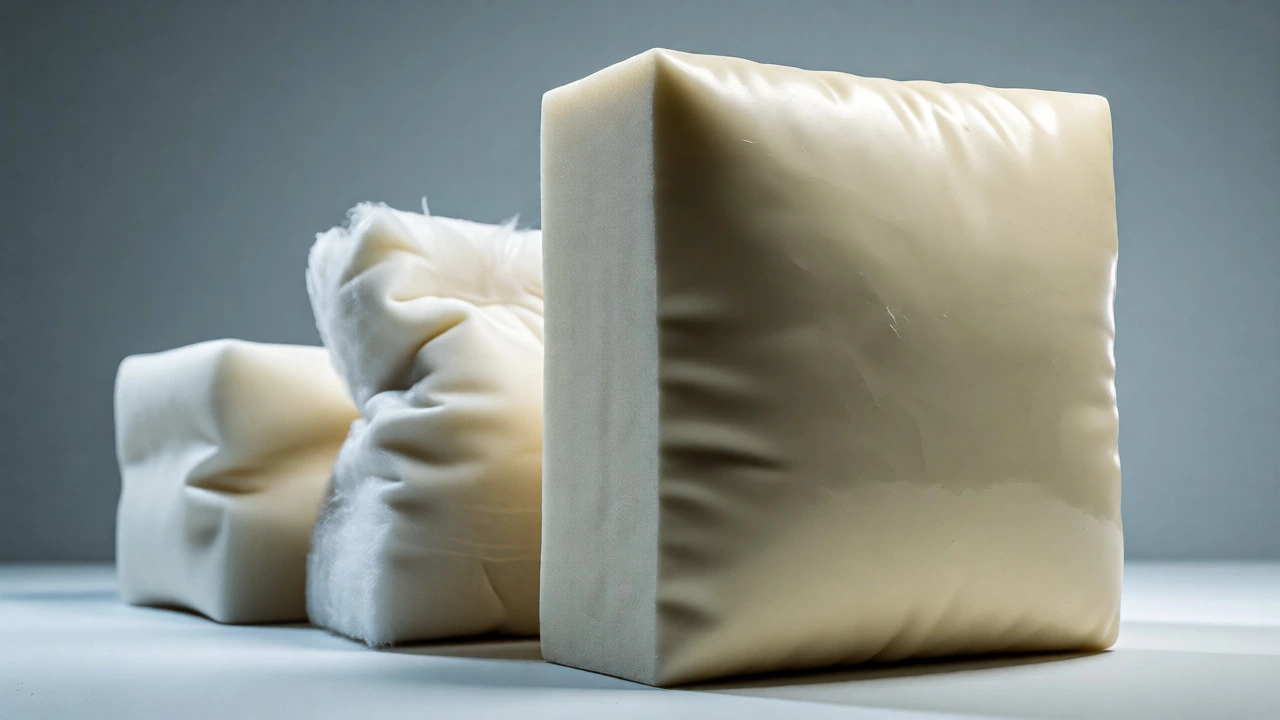
Salespeople won’t always tell you the density. So you have to test it yourself. Press firmly into the center of the cushion with your thumb. If the foam leaves a dent that takes more than ten seconds to pop back up, it’s likely low quality or old stock. Good HD foam should rebound almost instantly.
Ask for the spec sheet. If the retailer hesitates or says "it’s proprietary," walk away. Reputable brands list density and ILD clearly. In Australia, look for certifications from organizations like the Furniture Industry Association. Also, check the cover. A durable cushion needs a durable zippered cover. If the cover wears out, you can replace it. If the inner foam fails, you’re replacing the whole unit.
Care Tips to Extend Cushion Life
Even the best foam degrades if you treat it poorly. Rotate your seat cushions weekly. Most sofas have identical left and right cushions. Swapping them ensures even wear. If you have a sectional, rotate the corner pieces too.
Vacuum your cushions monthly. Dust and skin cells accumulate on the surface and work their way into the fabric, breaking down fibers. Keep cushions out of direct sunlight. UV rays break down the chemical bonds in polyurethane foam, causing it to yellow and crumble. If your living room gets intense afternoon sun, use curtains during peak hours.
Frequently Asked Questions
Is high-density foam toxic?
Modern high-density polyurethane foam is generally safe. Older foams contained flame retardants like PBDEs, which were controversial. Current regulations in Australia and the US restrict these chemicals. Look for labels stating "low VOC" (Volatile Organic Compounds) or "Oeko-Tex Standard 100" certified foam to ensure minimal off-gassing and safety.
Can I replace just the foam inserts in my existing couch?
Yes, absolutely. Many upholstery shops offer custom foam cutting services. You can remove the old inserts, measure them precisely, and order new high-density foam blocks cut to size. This is often cheaper than buying a new sofa and can make an old frame feel brand new again. Ensure you match the original dimensions exactly to avoid gaps or bulging covers.
What is the best cushion type for pets?
For pet owners, tight-weave fabrics and removable, washable covers are crucial. Regarding filling, high-density foam is best because it resists claw damage better than loose fiberfill, which pets can easily rip open and scatter. Avoid feather fills, as punctures cause immediate leakage. Leather or performance microfiber covers paired with HD foam are the most resilient combination for dog and cat households.
How do I know if my cushion is high-density?
Without a spec sheet, perform the "squeeze test." High-density foam feels heavy and dense in your hand. Low-density foam feels light and airy. Another trick is to listen to it. Squeeze a block of low-density foam; it often makes a squeaking sound due to friction between collapsing air cells. High-density foam is quieter and feels more substantial. Weight is also a clue: a 2.5 PCF cushion weighs noticeably more than a 1.5 PCF one of the same size.
Does memory foam sleep hot?
Traditional memory foam does trap body heat because it conforms closely to the skin, blocking airflow. This can be uncomfortable in warm climates like Melbourne summers. To mitigate this, look for gel-infused memory foam or open-cell structures designed for breathability. Alternatively, pair memory foam with a breathable cotton or linen cover rather than synthetic polyester, which retains heat further.