
Bohemian Living Room Style Planner
Step 1: Choose Your Base Colors
Select up to 3 colors that will form the foundation of your boho space
Step 2: Select Textures
Choose materials that will add depth and comfort to your space
Step 3: Pick Patterns
Select patterns that reflect your personal style (choose 2-3)
Step 4: Add Plants
Choose plants that match your light conditions and style preferences
Your Preview
Start selecting elements to see your boho vision come together!
Ever walked into a room and felt an instant sense of calm, like you’ve stepped into someone’s favorite vacation spot? That’s the magic of a bohemian living room. It’s not about following strict rules or matching every cushion perfectly. Instead, it’s about creating a space that feels lived-in, colorful, and uniquely yours. If you’re tired of sterile, minimalist spaces that feel more like showrooms than homes, this style might be your new obsession.
The beauty of boho decor is its flexibility. You don’t need to empty your bank account or start from scratch. Whether you have a small apartment in Melbourne or a sprawling house, you can layer textures, mix patterns, and add personal touches to create that free-spirited vibe. Let’s break down exactly how to achieve this look without feeling overwhelmed.
Start with a Warm, Earthy Color Palette
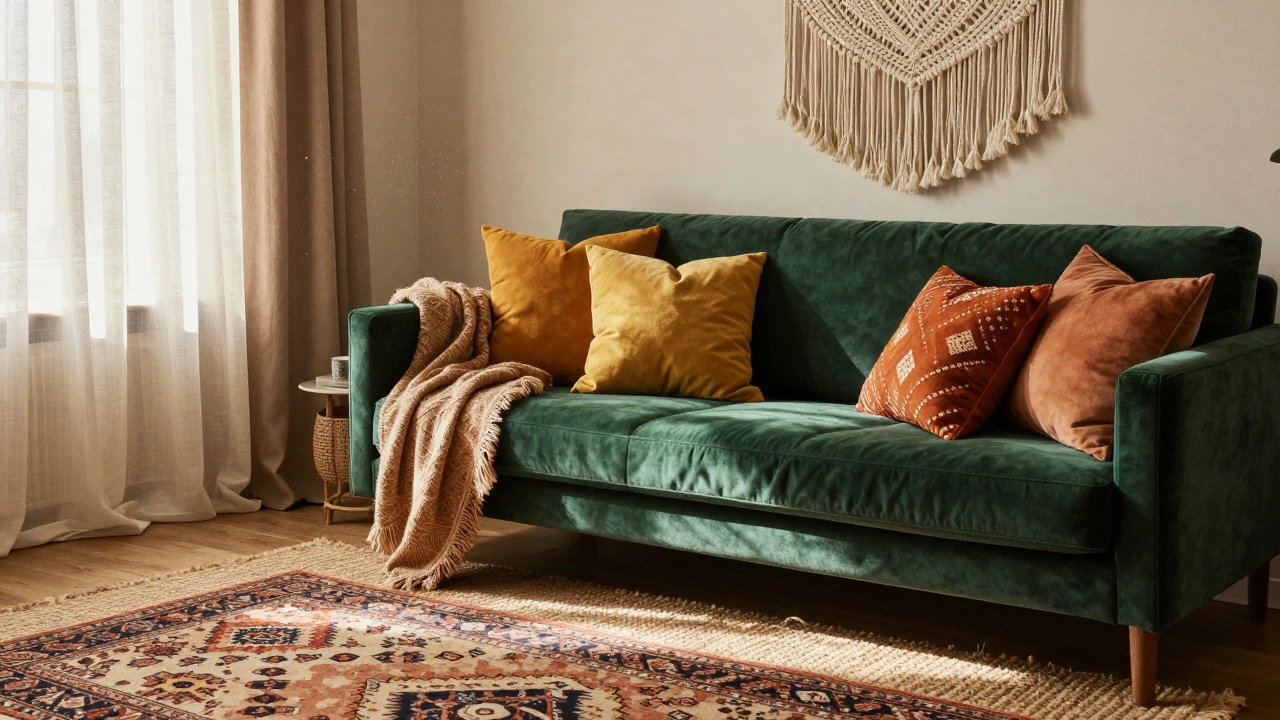
The foundation of any bohemian interior design is color. Unlike modern styles that rely on whites and grays, boho embraces warmth. Think terracotta, burnt orange, mustard yellow, deep greens, and rich browns. These colors mimic nature and create a cozy atmosphere instantly.
You don’t need to paint every wall in bold hues. Start with a neutral base-warm beige, cream, or soft white-and introduce color through accessories. This approach allows you to change the mood easily as seasons shift or your taste evolves. For example, swapping out bright orange throw pillows for deeper burgundy ones in winter can completely transform the room’s energy.
- Base Colors: Cream, beige, warm white
- Accent Colors: Terracotta, mustard, olive green, turquoise
- Pop Colors: Jewel tones like emerald, ruby, or sapphire for small accents
Remember, there are no wrong combinations here. The key is balance. If you choose a bold rug with multiple colors, let your walls and larger furniture pieces remain neutral to avoid visual clutter.
Layer Textures for Depth and Comfort
If color is the soul of a bohemian living room, texture is its body. This style thrives on mixing different materials to create a tactile experience. Imagine sinking into a plush velvet sofa while barefoot on a thick jute rug, surrounded by macramé wall hangings and woven baskets.
Start with your flooring. Natural fibers like jute, sisal, or seagrass rugs are staples in boho design. They add organic texture and ground the space. Layering rugs is also a common technique-place a smaller, patterned Persian or Moroccan rug over a larger neutral one to add complexity.
Furniture should invite touch. Look for pieces made from rattan, wicker, or reclaimed wood. These materials bring an earthy, handcrafted feel that mass-produced plastic or metal lacks. Add cushions in various fabrics: linen, cotton, velvet, and even faux fur. The goal is to create a space where every surface tells a story through its material.
| Material | Best Used For | Why It Works |
|---|---|---|
| Jute/Sisal | Rugs, Baskets | Adds natural, rough texture |
| Velvet | Cushions, Throws | Provides luxury and softness |
| Rattan/Wicker | Chairs, Side Tables | Brings organic, airy feel |
| Linen/Cotton | Curtains, Pillows | Offers casual, breathable comfort |
Embrace Patterns and Prints
One of the most intimidating aspects of boho design for beginners is mixing patterns. But here’s the secret: it’s supposed to look slightly chaotic. The key is to vary the scale and type of patterns to create harmony rather than confusion.
Start with large-scale patterns like ikat or tribal prints on area rugs or statement chairs. Then, introduce medium-sized patterns like stripes or checks on cushions. Finally, add small-scale details like floral motifs or geometric shapes in textiles or artwork. By varying sizes, you guide the eye around the room without overwhelming it.
Don’t shy away from global influences. Moroccan tiles, Indian block prints, and African mudcloth all fit seamlessly into a bohemian aesthetic. These patterns often carry cultural significance and add depth to your decor. Just ensure they share a common color thread to tie everything together.
Incorporate Plants and Greenery
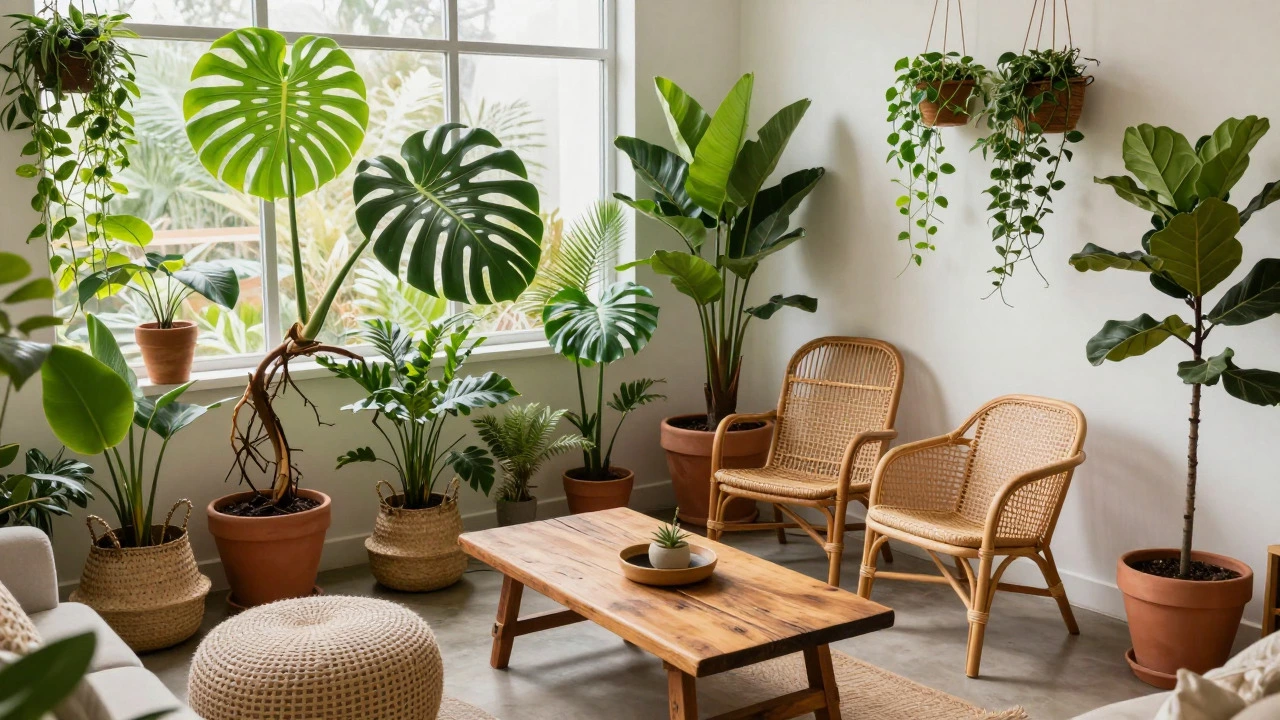
No bohemian living room is complete without plants. In fact, greenery is arguably the most important element after texture. Plants bring life, color, and a connection to nature indoors. Plus, they’re relatively low-maintenance if you choose the right species.
Go big with statement plants like fiddle-leaf figs, monstera deliciosa, or snake plants. Place them in corners or near windows to maximize their impact. For smaller spaces, hanging planters with pothos or string of pearls can add vertical interest without taking up floor space.
Use varied pots to enhance the boho vibe. Ceramic pots with hand-painted designs, terracotta unglazed pots, and woven basket covers all contribute to the eclectic look. Avoid uniform plastic pots-they break the natural flow of the style.
- Low Light Tolerant: Snake Plant, ZZ Plant, Pothos
- Bright Light Lovers: Monstera, Fiddle-Leaf Fig, Bird of Paradise
- Hanging Options: String of Pearls, Ivy, Spider Plant
Choose Eclectic and Vintage Furniture
Furniture in a bohemian living room doesn’t need to match. In fact, mismatched pieces often tell a richer story. Thrift stores, flea markets, and online marketplaces are goldmines for unique finds. Look for vintage armchairs, distressed wooden coffee tables, or ornate mirrors.
Comfort is paramount. Opt for low-profile seating like floor cushions, poufs, or oversized bean bags. These encourage relaxation and informal gatherings. Pair them with sturdy coffee tables that can hold books, candles, and snacks.
Don’t forget storage. Woven baskets and trunk-style ottomans provide hidden storage while adding to the aesthetic. Keep clutter out of sight but within reach, maintaining the relaxed yet organized feel essential to boho design.
Add Personal Art and Decor
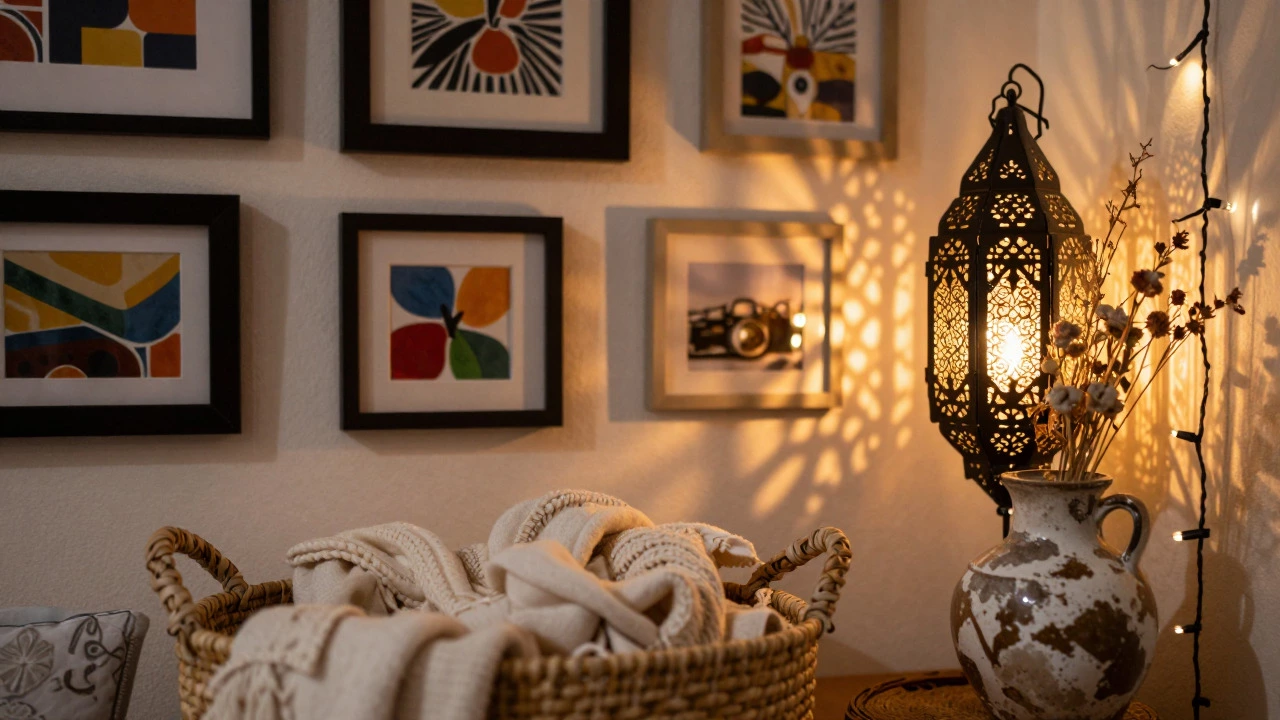
Your living room should reflect who you are. Display travel souvenirs, family photos, handmade crafts, or gallery-wrapped prints. Create a gallery wall with frames of different sizes and styles-wooden, metallic, painted-to reinforce the eclectic theme.
Lighting plays a crucial role too. Use warm-toned bulbs and fixtures with intricate designs. Macramé lampshades, Moroccan lanterns, and Edison bulb strings cast beautiful shadows and create an intimate ambiance. Avoid harsh overhead lighting; instead, rely on multiple light sources at different heights.
Finally, embrace imperfection. A crooked frame, a frayed rug edge, or a chipped vase adds character. Perfection is the enemy of authenticity in bohemian design. Let your space evolve naturally over time as you collect new treasures and refine your style.
Common Mistakes to Avoid
While boho design is forgiving, some pitfalls can undermine the effect. First, avoid overcrowding. Leave enough breathing room between furniture and decor items. Second, don’t ignore functionality. A beautiful space must also be practical for daily life. Third, resist the urge to buy everything at once. Build your collection gradually to ensure each piece resonates with you.
Lastly, remember that less is sometimes more when it comes to bold colors. If you’re unsure, start with neutral bases and add vibrancy through removable accessories. This way, you can experiment without commitment.
What colors work best in a bohemian living room?
Earthy tones like terracotta, mustard, olive green, and deep browns form the core palette. Accent with jewel tones such as emerald or sapphire for pops of color. Always anchor these with neutral bases like cream or beige to maintain balance.
Can I have a bohemian living room in a small apartment?
Absolutely! Focus on vertical storage, multi-functional furniture, and lightweight textiles. Hanging plants and wall art save floor space. Choose lighter-colored rugs and mirrors to make the room feel larger while keeping the boho essence intact.
How do I mix patterns without it looking messy?
Vary the scale of patterns: use large prints for rugs or major furniture, medium for cushions, and small for accents. Ensure all patterns share at least one common color to create cohesion. Stick to two or three dominant pattern types (e.g., geometric, floral, tribal) to avoid chaos.
Where can I find affordable boho decor items?
Thrift stores, flea markets, and online platforms like eBay or Facebook Marketplace offer great deals on vintage pieces. Local artisan markets also sell handmade textiles and ceramics. DIY projects using second-hand materials can yield unique results on a budget.
Is bohemian style outdated?
No, it remains highly relevant because it prioritizes personal expression and sustainability. Its emphasis on vintage finds and natural materials aligns with current trends toward eco-friendly and individualistic home design. The style evolves with each generation, staying fresh and adaptable.