
Boring Room Rescue Score
Answer three quick questions about your space. We'll score its visual interest and tell you exactly what to add.
Flat single-source light reads as clinical. Layered light adds depth and coziness.
Mix soft (knit, velvet), natural (wood, stone), and metallic surfaces for warmth.
A focal point gives the eye somewhere to land so the room feels intentional.
Walk into a room that feels flat and lifeless. You know the one. White walls, beige carpet, maybe a sofa that looks like it was purchased in 2014. It’s not ugly, but it doesn’t spark joy either. It just exists. The good news? You don’t need to knock down walls or spend thousands on a full renovation to fix this. You just need to add visual interest. That’s the magic ingredient that turns a dull space into a place you actually want to hang out in.
Why Rooms Feel "Boring" (And How to Fix It)
A room feels boring when it lacks contrast, texture, or focal points. Think of it like a photo with no depth. If everything is the same color and material, your eye has nowhere to go. To fix this, you need to break up the monotony. This isn't about adding more stuff; it's about arranging what you have-and adding a few key pieces-so they interact with each other.
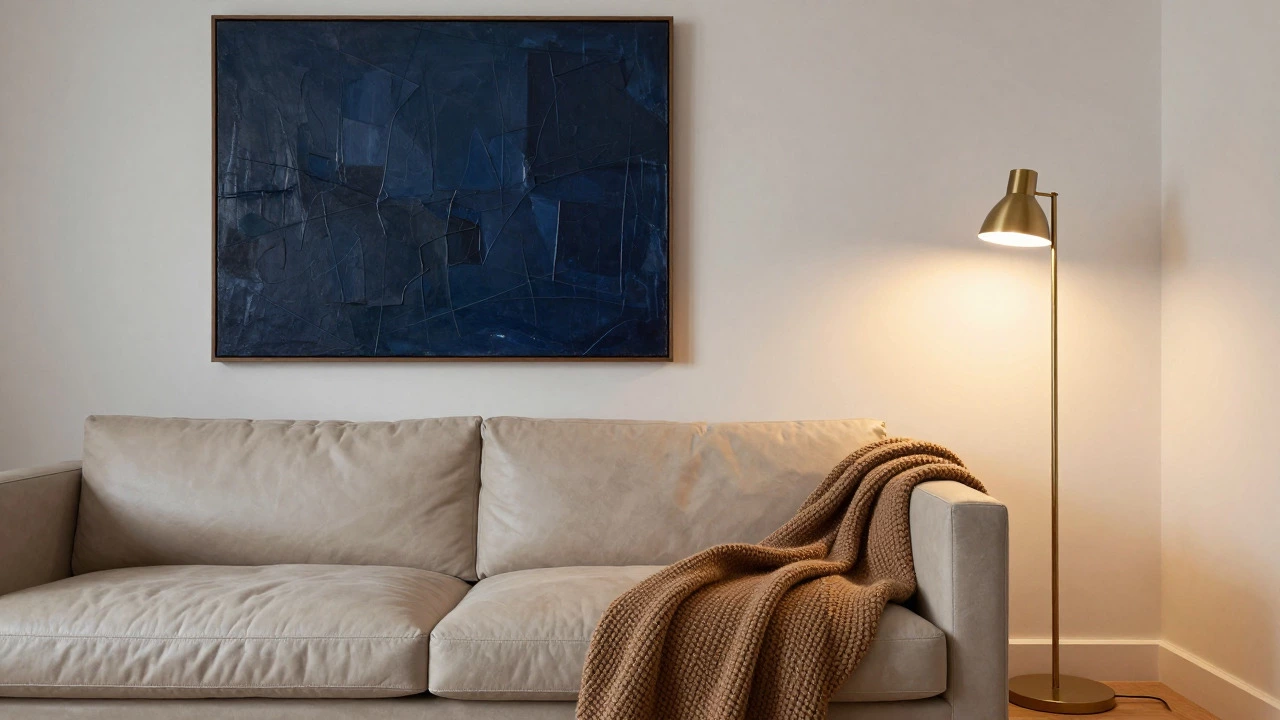
The core problem is usually a lack of layers. A single layer of furniture is functional but sterile. Adding layers creates rhythm. For example, a plain white wall becomes interesting when you add a large piece of art, a textured throw blanket on the couch, and a warm lamp in the corner. Each element adds a different dimension: color, texture, and light.
The Power of Lighting Layers
Most boring rooms suffer from "flat lighting." This means there’s only one overhead light fixture. When you turn it on, shadows are harsh, and the room feels clinical. To make a room look good, you need at least three types of light: ambient, task, and accent.
- Ambient Light: This is the general illumination. Overhead lights or chandeliers fit here. Keep them dimmable if possible.
- Task Light: Lights for specific activities. A floor lamp next to a reading chair or under-cabinet lights in a kitchen.
- Accent Light: This is where the magic happens. Picture lights above artwork, LED strips behind a TV, or small spotlights highlighting a plant. Accent lighting creates depth and drama.
If you can only buy one thing to fix a boring room, buy a good floor lamp. Position it so the light washes against the wall behind your sofa. Instantly, the corner feels cozier and less empty.
Texture: The Secret Weapon
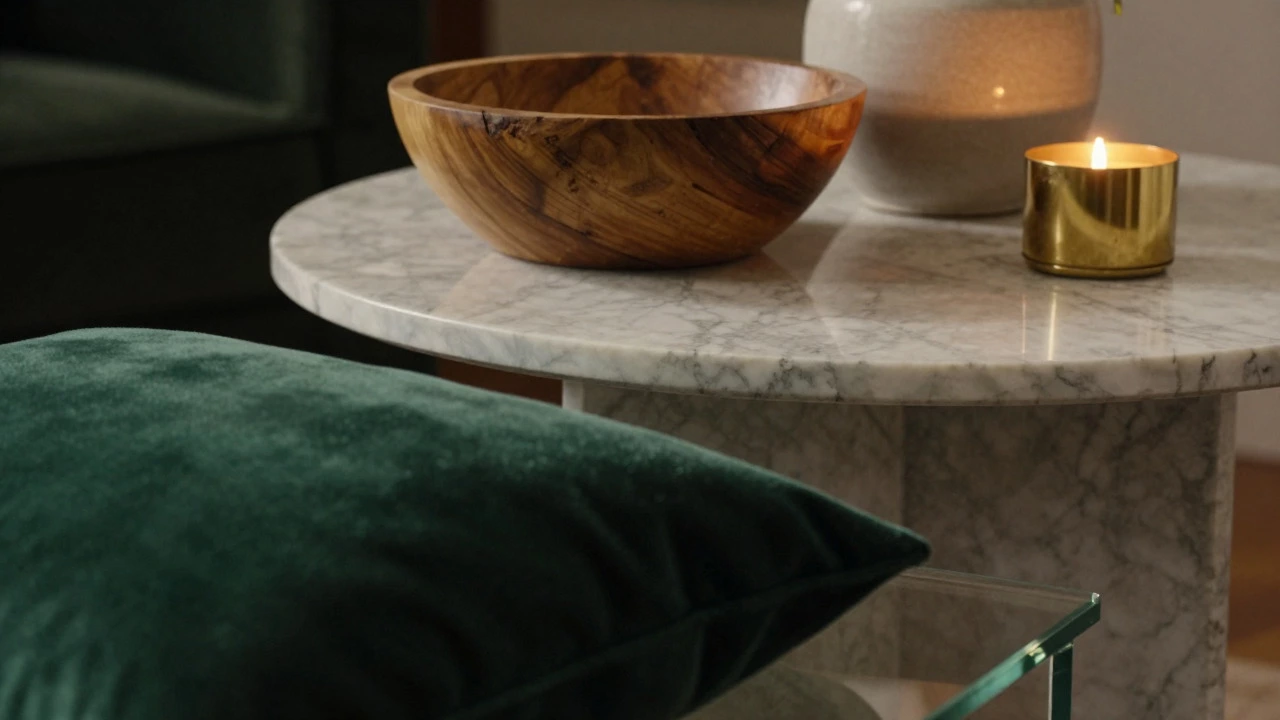
Color matters, but texture matters more. Two rooms can have the exact same color palette but feel completely different based on the materials used. A room with smooth surfaces everywhere (glass tables, leather sofas, polished floors) feels cold. A room with mixed textures feels inviting.
Look around your room. Count how many different textures you see. If the answer is less than three, you’re missing out. Here is a simple formula for balance:
- Soft: Knit throws, velvet cushions, wool rugs.
- Hard/Natural: Wood side tables, ceramic vases, stone accents.
- Shiny/Metallic: Brass picture frames, glass candle holders, chrome lamps.
Mix these together. Place a chunky knit pillow on a sleek leather chair. Put a rough-hewn wooden bowl on a glossy marble table. The contrast creates visual tension that keeps the eye engaged.
Create Focal Points
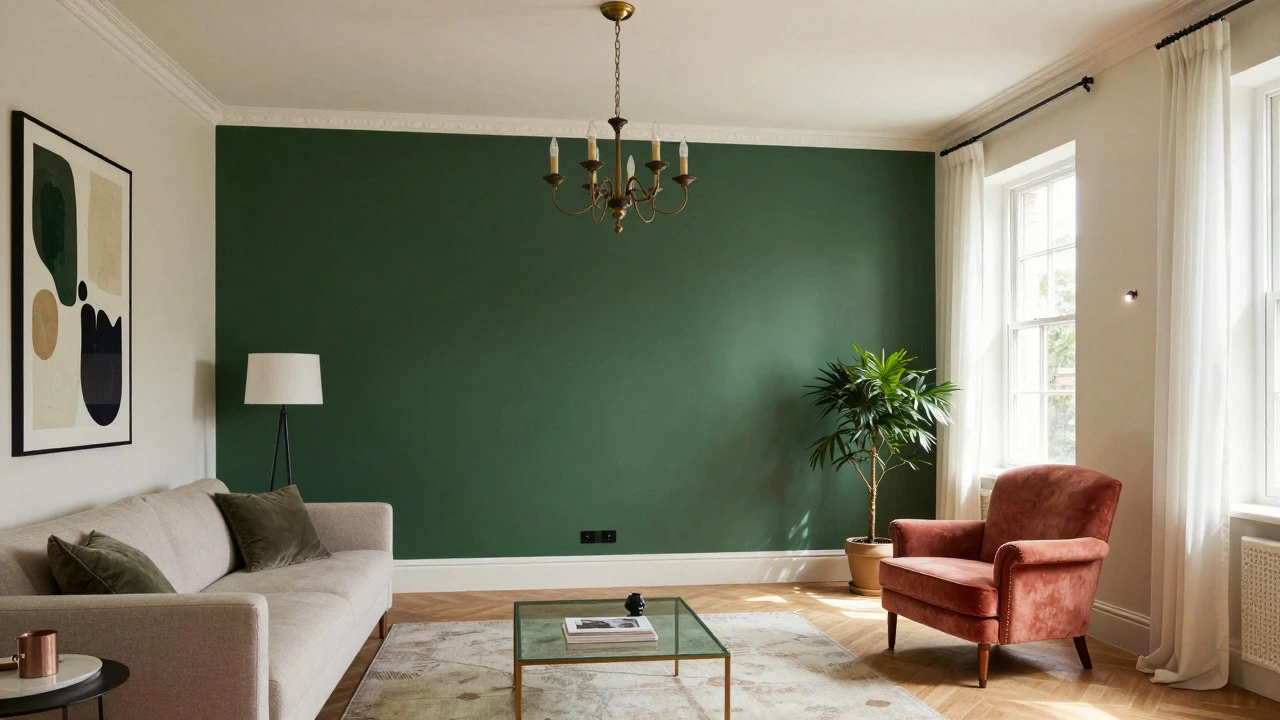
Every room needs a reason to exist. Without a focal point, the eye wanders aimlessly, making the space feel chaotic or empty. A focal point is the first thing you notice when you walk in. It could be a fireplace, a large window, a statement piece of art, or even a bold-colored armchair.
If your room has no natural focal point, create one. Hang a large piece of abstract art above the sofa. Or, paint one wall a deep, moody color like navy or forest green. This single change anchors the room and gives the other elements something to relate to. Notice how the other furniture seems to "sit