
Retro Living Room Style Planner
Not sure which decade speaks to you? Choose an era below to unlock the perfect design blueprint for your space.
There is something undeniably magnetic about a space that feels like it stepped out of the 1960s or 70s. It’s not just about throwing an old record player on the shelf; it’s about capturing a specific energy where bold colors meet organic shapes and functionality takes a backseat to personality. If you are looking to transform your current neutral or minimalist space into a nostalgic hub, you need more than just a few throw pillows. You need a strategy that balances authenticity with comfort, ensuring the room doesn’t feel like a museum exhibit but rather a lived-in home with soul.
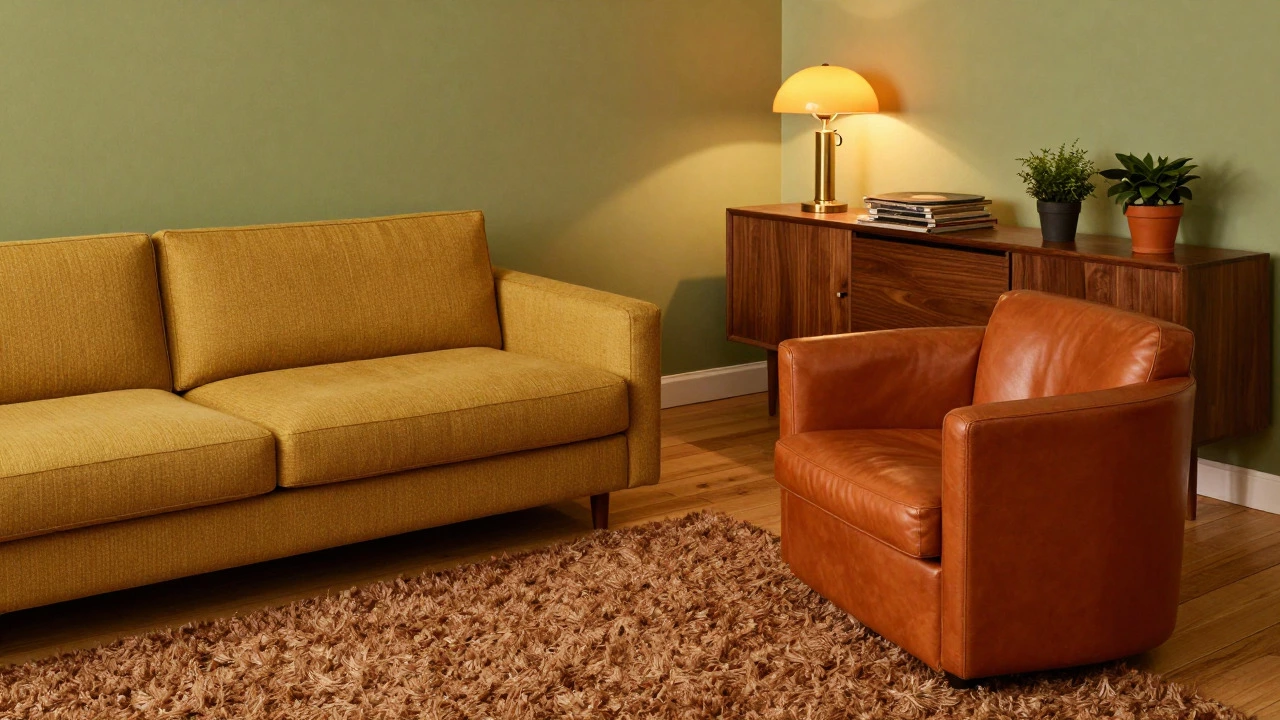
The core of retro living room design lies in its distinct eras. While people often use "retro" as a catch-all term, true enthusiasts know the difference between the clean lines of Mid-Century Modern (1945-1969) and the maximalist explosion of the 1970s. Mixing these styles can create a unique aesthetic, but sticking to one era usually yields a more cohesive look. Before you buy a single item, decide which decade speaks to you. Are you drawn to the walnut wood and tapered legs of the 50s, or the shag rugs and mustard yellow accents of the 70s? This decision will dictate your color palette, material choices, and furniture silhouettes for the rest of the project.
Choosing the Right Color Palette
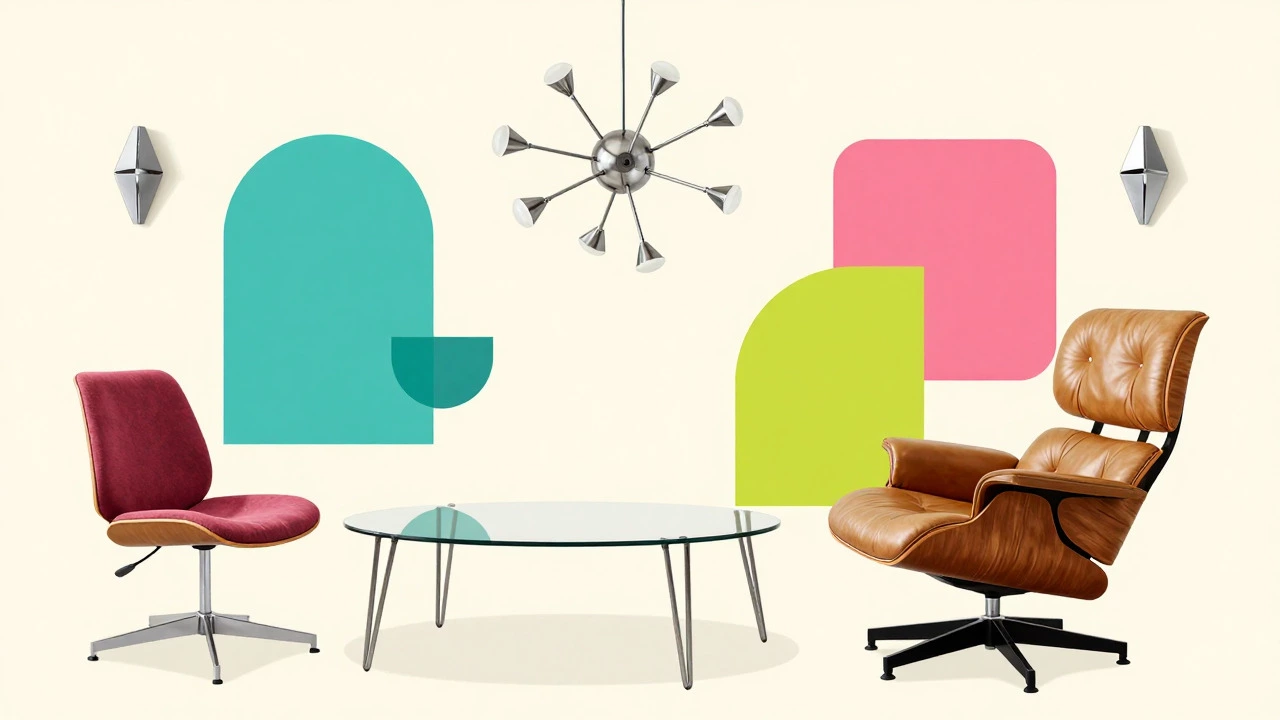
Color is the fastest way to shift a room's vibe. In a retro setting, you have two main paths: the warm earth tones of the 70s or the playful pastels and primary hues of the 50s and 60s. For a 70s-inspired space, think avocado green, burnt orange, mustard yellow, and brown. These colors work best when paired with natural textures like wood and leather. If you prefer a brighter, more pop-art influenced look, lean into teal, hot pink, lime green, and cream. The key is balance. You don't want every wall painted a different bright color. Instead, choose one dominant neutral-like cream, light gray, or even white-and let the accent pieces bring in the retro punch. A solid-colored sofa in a muted tone allows your colorful armchairs and artwork to stand out without overwhelming the eye.
Furniture: The Heart of the Room
Furniture in a retro living room is rarely boxy. Look for curves, organic shapes, and unexpected angles. The iconic Eames Lounge Chair is a staple for a reason, but you don't need to spend thousands to get the look. Search for replicas or second-hand pieces at local antique markets. Key items to prioritize include:
- Statement Seating: An oversized bean bag, a barrel chair, or a modular sofa with rounded edges. Avoid straight-lined, high-back sofas unless you are going for a very specific 50s diner look.
- Low-Profile Coffee Tables: Glass-top tables with metal bases or round wooden tables with tapered legs. Keep them low to maintain the horizontal flow typical of mid-century design.
- Storage Units: Credenzas and sideboards are essential. They serve as both storage and display platforms for books, plants, and decorative objects. Walnut and teak are the go-to woods here.
When shopping, pay attention to the legs. Tapered, splayed, or hairpin legs are hallmarks of the era. If you find a piece you love but it has the wrong legs, consider having them swapped or replaced. It’s a small modification that can make a huge visual difference.
Lighting That Sets the Mood
Lighting in retro interiors is less about illumination and more about atmosphere. Forget recessed ceiling lights if you can help it. Instead, layer your lighting with statement fixtures. Sconces with geometric shades, floor lamps with arc designs, and table lamps with mushroom-shaped bases are all perfect fits. The famous "Sputnik" chandelier is another iconic choice that adds instant drama. Warm white bulbs (around 2700K) enhance the cozy, nostalgic feel, while cool daylight bulbs can make the space feel sterile and modern. Don’t be afraid to mix metals. Brass, chrome, and copper were all popular in different decades, so combining them can add depth and interest to your decor.
Textiles and Accessories
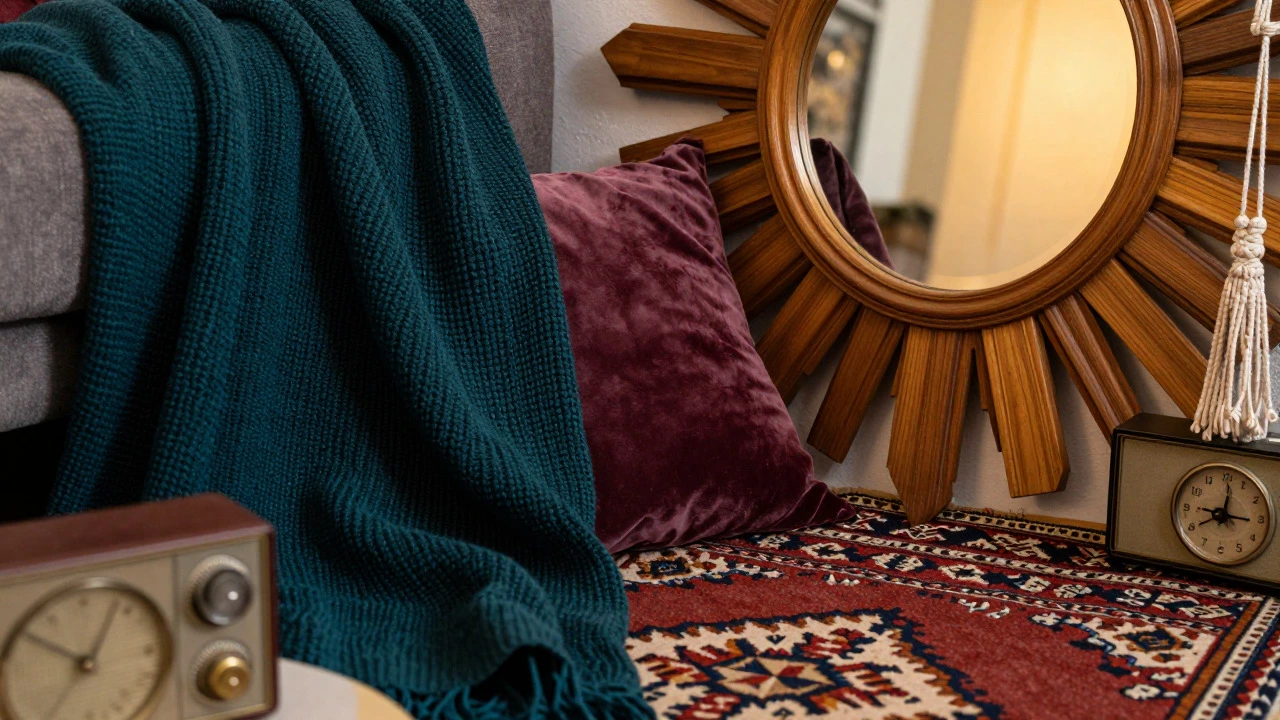
This is where you can really play with patterns and textures. Retro design embraces boldness, so don’t shy away from geometric prints, floral motifs, and abstract shapes. Rugs are crucial for defining the seating area. Shag rugs are non-negotiable for a 70s look, while kilim or Persian-style rugs fit better with a 50s aesthetic. Layering is also important. Throw blankets in chunky knits or velvet cushions in jewel tones add warmth and invite touch. Wall art should reflect the era too. Pop art prints, vintage movie posters, or large-scale abstract paintings work well. Consider using mirrors with thick frames or sunburst designs to bounce light around the room and create the illusion of more space.
| Feature | 1950s Style | 1970s Style |
|---|---|---|
| Primary Colors | Pastels, Primary Colors, Cream | Earth Tones, Mustard, Avocado, Brown |
| Furniture Shape | Curved, Rounded, Tapered Legs | Chunky, Organic, Low-Slung |
| Materials | Vinyl, Chrome, Teak | Wood, Leather, Shag Carpet |
| Key Accessories | Atomic Age Decor, Clock Radios | Shag Rugs, Macrame, Vinyl Records |
Common Mistakes to Avoid
One of the biggest pitfalls is overdoing it. Retro design is about curation, not clutter. Every piece should have a purpose or a story. If you fill every surface with knick-knacks, the room will feel chaotic rather than stylish. Another common error is mixing too many eras without a unifying thread. If you combine 50s pastels with 70s browns, ensure you have a neutral element tying them together, such as a white wall or a black-and-white rug. Finally, don’t ignore scale. Retro furniture tends to be smaller and lower than modern pieces. Make sure your seating arrangement allows for easy conversation and movement. Measure your space carefully before purchasing large items like sectionals or oversized credenzas.
Practical Tips for Implementation
Start with what you already have. You might own a vintage lamp or a family heirloom that fits the theme perfectly. Use these anchors to build your design around. Next, focus on the big-ticket items: the sofa and the coffee table. Once those are set, fill in with smaller accessories. Thrift stores and online marketplaces are goldmines for finding authentic pieces at reasonable prices. Be patient. Building a retro living room is a journey, not a sprint. You’ll likely find new treasures over time that replace older items as your style evolves. And remember, the goal is to create a space that makes you happy, not one that looks exactly like a magazine photo. Your personal touches are what will make the room truly yours.
What is the most iconic piece of furniture for a retro living room?
The Eames Lounge Chair is widely considered the most iconic, but for a more accessible option, a mid-century modern credenza or a barrel chair serves as a strong focal point without breaking the bank.
Can I mix modern and retro elements?
Yes, this is often called "modern eclectic." Just keep the ratio balanced. Use modern, neutral base pieces (like a plain white sofa) and add retro accents through lighting, art, and smaller furniture. This prevents the room from feeling dated.
Where can I find authentic vintage items?
Local flea markets, estate sales, and thrift stores are excellent starting points. Online, check dedicated vintage shops and peer-to-peer selling platforms. Always inspect items for wear and tear before buying, especially electronics like turntables or radios.
Is shag carpet still in style for retro rooms?
For a strict 70s look, yes. However, if you find full shag carpet difficult to clean, consider using a shag rug instead. It provides the same texture and nostalgia without the commitment of installing permanent flooring.
How do I light a retro living room without overhead fixtures?
Use a combination of floor lamps, table lamps, and wall sconces. Place floor lamps behind or beside seating areas to provide ambient light. Table lamps on side tables offer task lighting for reading. This layered approach creates a warm, inviting glow typical of retro aesthetics.