
Upscale Room Makeover Planner
Check off the design moves you've already applied to your room. Get an instant luxury score and a prioritized action plan for what to tackle next.
There is a specific feeling you get when you walk into a hotel suite or a well-designed apartment in the CBD. The air feels different. It’s not just about expensive furniture; it’s about intentionality. If your room feels cluttered, dated, or just "okay," it likely lacks that curated touch. You don’t need to renovate to achieve this look. You need to understand the visual language of luxury.
Upscale interiors rely on restraint, quality materials, and cohesive color palettes. Most people try too hard, mixing random trends until the space feels chaotic. True elegance is quiet. It speaks through texture, light, and negative space. Here is how you can transform your living area into a sophisticated sanctuary without breaking the bank.
The Power of Negative Space
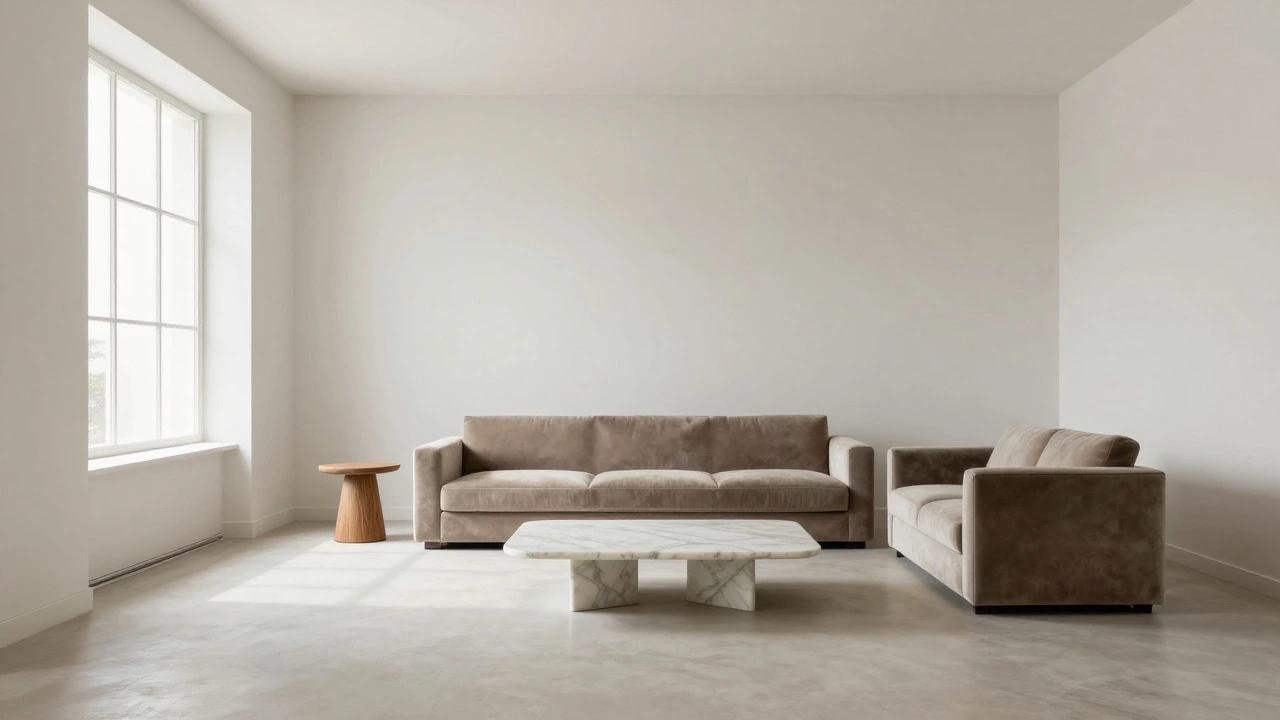
The first mistake most homeowners make is filling every corner. In Minimalist Design is a style that prioritizes simplicity, clean lines, and uncluttered spaces to create a sense of calm and sophistication. Luxury rooms breathe. They have empty walls and floor space that allow the eye to rest.
Think of negative space as the frame for your art. If you crowd the room with side tables, lamps, and decorative objects, nothing stands out. Start by removing 20% of what you currently have. Keep only the pieces you use daily or love deeply. This immediate decluttering creates an instant impression of order and high value. When less is more, the remaining items feel more significant.
Invest in Textural Layers
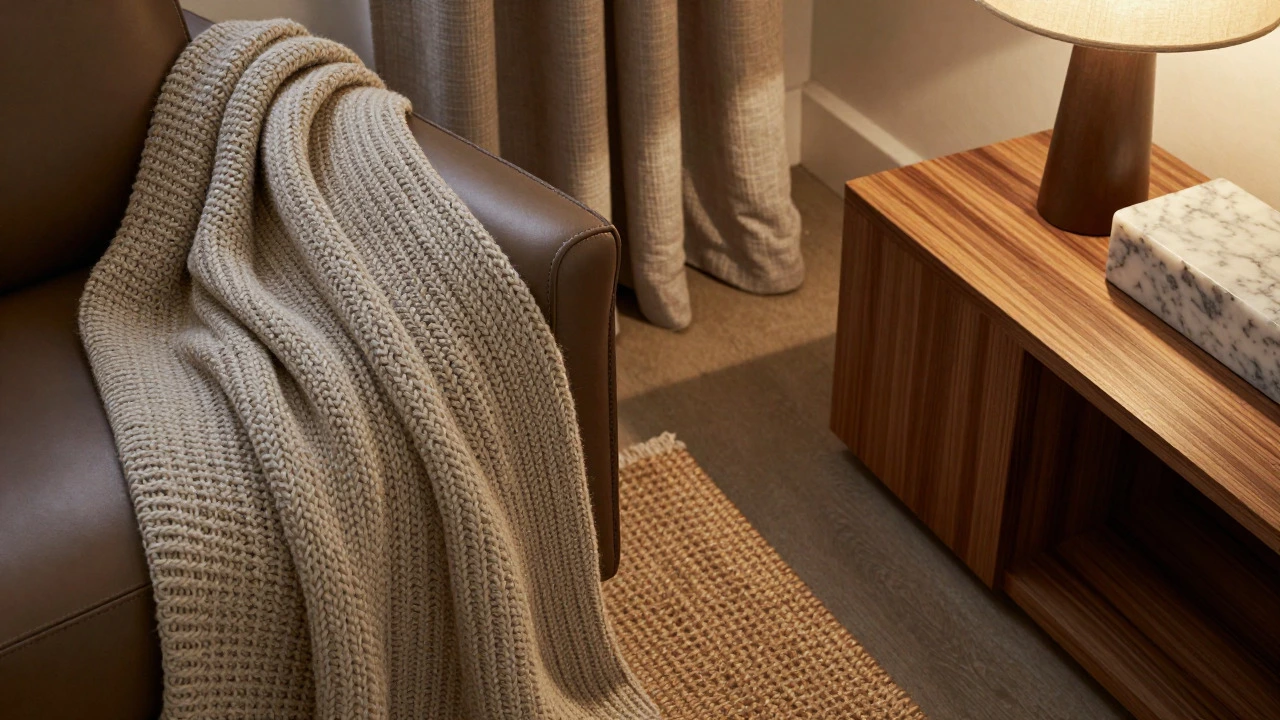
Flat surfaces feel cheap. Texture adds depth and warmth, which are hallmarks of upscale interiors. You want a mix of soft, rough, smooth, and shiny elements. For example, pair a velvet sofa with a chunky knit throw and a sleek marble coffee table.
- Fabrics: Swap cotton sheets for linen or Egyptian cotton. Add wool throws and silk cushions. These natural fibers catch light differently than synthetic ones.
- Wood: Use solid wood or high-quality veneers instead of particle board. The grain pattern adds organic interest.
- Stone: A single piece of travertine or quartzite on a side table elevates the entire vignette.
The key is contrast. Don’t match everything perfectly. Mix a matte finish with a glossy one. Combine a rough jute rug with a smooth leather chair. This interplay keeps the eye moving and makes the room feel richly detailed.
Lighting: The Most Underrated Upgrade
If your room only has one overhead light, it looks like a hospital waiting room. Upscale lighting is layered. It consists of ambient, task, and accent lights working together.
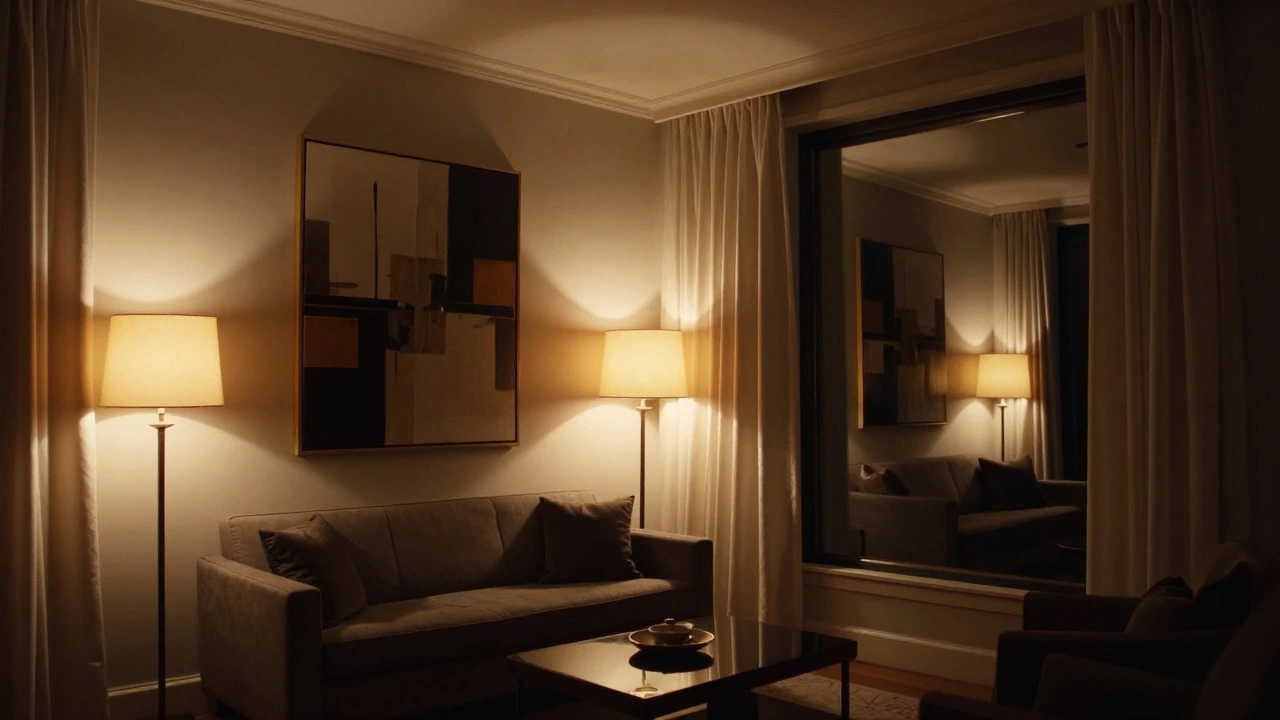
Ambient lighting provides the base glow. Task lighting helps you read or work. Accent lighting highlights art or architectural features. To upgrade instantly, turn off your main ceiling light and use floor lamps and table lamps instead. Dimmers are non-negotiable here. Being able to lower the brightness creates mood and intimacy.
| Light Type | Purpose | Recommended Fixture | Placement Tip |
|---|---|---|---|
| Ambient | General illumination | Chandelier or recessed downlights | Center of room, away from corners |
| Task | Specific activities (reading) | Table lamp or floor lamp | Next to seating areas |
| Accent | Highlighting features | Picture lights or wall sconces | Above artwork or mirrors |
Color Palette: Neutral Foundations
Bold colors can be distracting if not balanced correctly. Upscale rooms typically stick to neutral foundations: whites, creams, greys, taupes, and beiges. These colors reflect light and make spaces feel larger and cleaner.
You can add personality through accessories rather than paint. Stick to a monochromatic scheme where you vary the shades of one color family. For instance, combine warm white walls with taupe curtains and cream rugs. This creates harmony without monotony. If you want a pop of color, use it sparingly in a single object, like a vase or a piece of art.
Mirrors and Scale
Mirrors are the cheapest way to double your space visually. But placement matters. Hang large mirrors opposite windows to bounce natural light around the room. Avoid small, scattered mirrors; they look busy. One large, well-placed mirror acts as a focal point and expands the perceived square footage.
Scale is equally important. Furniture should fit the room proportionally. Oversized sofas in small rooms feel claustrophobic. Tiny chairs in large rooms feel lost. Measure your space before buying. Leave at least 30 inches of walking path between furniture pieces. This flow prevents the room from feeling cramped.
Art and Decor: Curated, Not Cluttered
Don’t hang every photo you’ve ever taken. Choose a few high-impact pieces. Large-scale abstract art or black-and-white photography looks more expensive than dozens of small frames. Frame your art in consistent styles, such as all thin black frames or all wide wooden ones. Consistency signals curation.
For decor, group items in odd numbers (three or five). This feels more natural to the human eye. Stack books of varying sizes, place a candle on top, and add a small sculpture. Keep surfaces clear of everyday clutter like mail, keys, and remotes. Hidden storage is essential for maintaining this polished look.
Final Touches for a Polished Finish
The details seal the deal. Ensure all hardware on cabinets and drawers matches. Mismatched handles scream unfinished. Update old knobs with brushed nickel or matte black options. Check your window treatments. Floor-length curtains that just kiss the floor elongate the walls and add drama. Short curtains cut the height and make ceilings look lower.
Finally, maintain it. Dust regularly, fluff pillows, and keep floors clean. An upscale room is not just designed; it is maintained. The effort you put into keeping it tidy reflects in the overall perception of value. You aren’t just decorating; you’re creating an environment that feels intentional and high-end.
What is the easiest way to make a room look more expensive?
Decluttering and improving lighting are the two most effective low-cost changes. Removing unnecessary items creates negative space, while layering warm, dimmable lights adds ambiance and depth immediately.
Do I need to replace my furniture to achieve an upscale look?
Not necessarily. You can upholster existing pieces, swap out legs for higher-quality materials, or simply rearrange them to improve scale and flow. Focus on adding texture and better lighting first.
Which colors are considered upscale in interior design?
Neutrals like warm whites, creams, taupes, and soft greys are staples of upscale design. They provide a calm background that allows textures and lighting to shine. Bold colors should be used sparingly as accents.
How do I choose the right size for a mirror?
Choose a mirror that is roughly the same width as the furniture piece below it, such as a console table or sofa. Larger mirrors generally create a stronger impact and help expand the visual space of the room.
Why does my room still look cluttered even after cleaning?
It may be due to a lack of cohesion. Mixing too many styles, colors, or patterns can create visual noise. Stick to a limited color palette and consistent material finishes to unify the space.