
Living Room Refresh Planner
Select the updates you want to make to your living room. We'll calculate the estimated cost range and total impact.
Fresh Paint
Transform mood with color or accent walls.
High ImpactLighting Swap
Add layers of light for warmth.
Med-High ImpactTextile Update
New rugs, pillows, and throws.
Medium ImpactRearrange Furniture
Improve flow and conversation areas.
Medium ImpactAdd Greenery
Liven up sterile interiors with plants.
Med-High ImpactStorage Solutions
Reduce clutter with smart storage.
Medium ImpactArt & Accessories
Finishing touches that tie it together.
Medium ImpactDoes your living room feel like it’s stuck in the past? Maybe the colors are dull, the furniture feels heavy, or the whole space just lacks personality. You’re not alone. Many homeowners struggle with rooms that look nice on paper but feel lifeless in reality. The good news is you don’t need a full renovation to fix this. Small changes can make a huge difference.
Think of your living room as a blank canvas. It doesn’t have to be perfect right away. Start with one or two updates and build from there. This guide will walk you through practical steps to breathe new life into your space without breaking the bank.
Start With a Fresh Coat of Paint
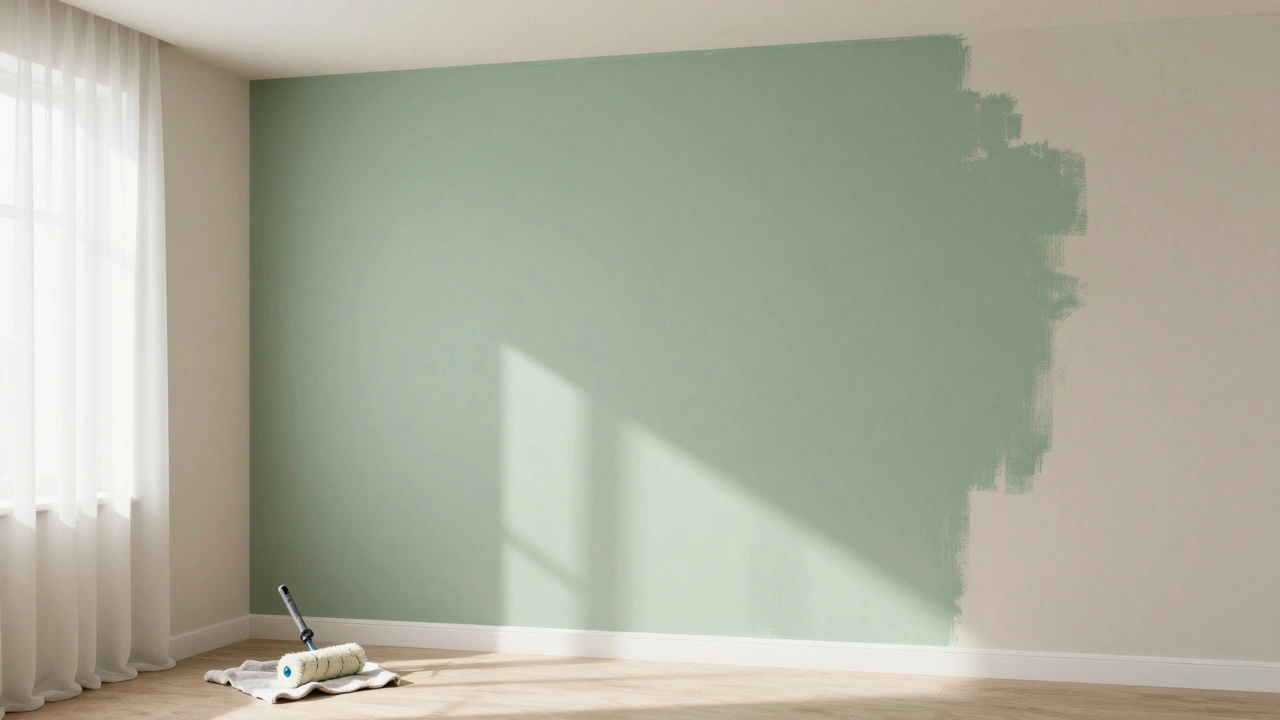
Paint is the easiest way to change the mood of a room. If your walls are beige or white, consider adding color. You don’t have to go bold. Soft greens, warm grays, or muted blues can add depth without overwhelming the space. Test samples on different walls before committing. Light affects how paint looks, so check it at different times of day.
If you’re renting or hesitant about permanent changes, try an accent wall. Pick one focal point-like the wall behind your sofa-and paint it a darker shade. This draws the eye and adds visual interest. For a quicker fix, use peel-and-stick wallpaper on smaller areas like inside bookshelves or around mirrors.
Swap Out Your Lighting
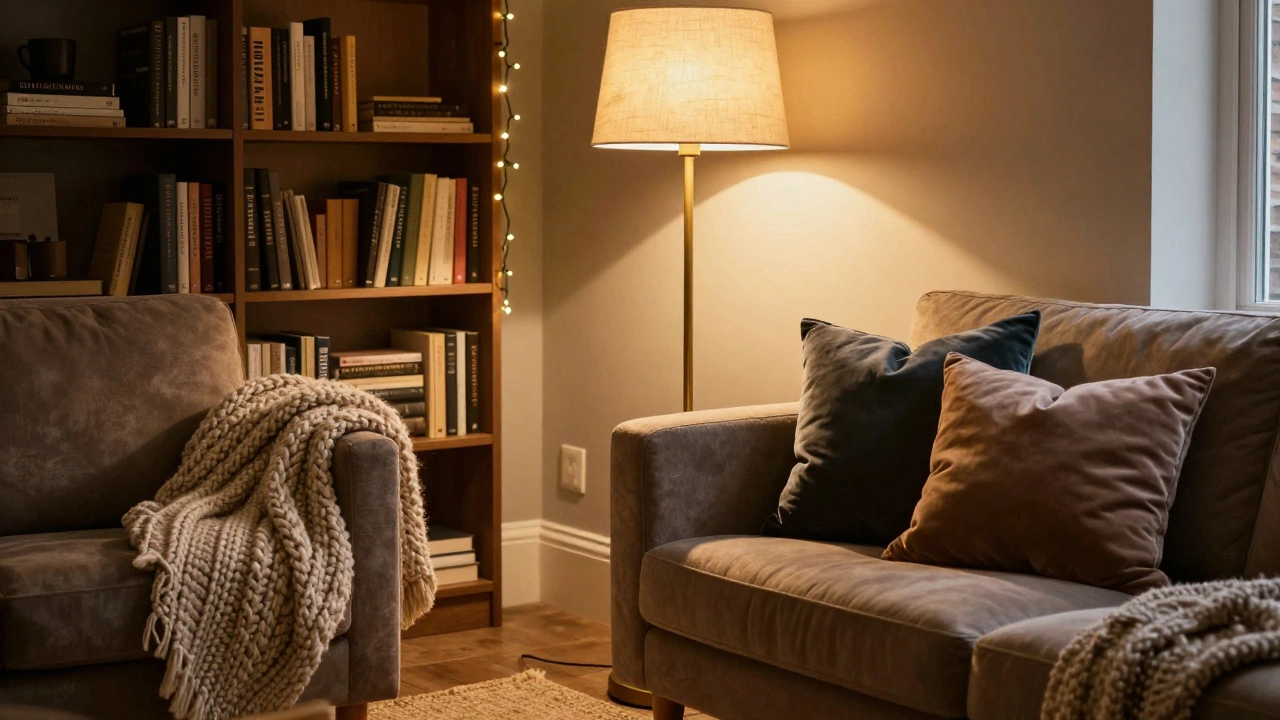
Lighting sets the tone for any room. Overhead lights alone create harsh shadows and make spaces feel flat. Add layers of light to soften the atmosphere. Floor lamps near seating areas provide task lighting for reading. Table lamps on side tables add warmth. String lights or LED strips behind shelves give a cozy glow.
Consider dimmer switches if possible. They let you adjust brightness based on the time of day or activity. Warm-white bulbs (around 2700K) work best for living rooms because they mimic natural sunlight. Avoid cool-white bulbs unless you want a clinical vibe.
Update Textiles and Soft Furnishings
Fabric plays a big role in making a room feel inviting. Replace old throw pillows with ones in complementary colors or patterns. Mix textures like velvet, linen, and wool for variety. A chunky knit blanket draped over the armchair adds comfort and style.
Rugs define zones within open-plan spaces. Choose something larger than you think you need. A rug should extend under all front legs of seating furniture to anchor the area. Natural fibers like jute or sisal bring organic texture, while patterned rugs add character.
Rearrange Furniture for Better Flow
Sometimes moving things around works wonders. Push bulky pieces against walls only when necessary. Floating furniture creates more breathing room. Arrange sofas and chairs to encourage conversation rather than facing the TV directly.
Create clear pathways between key areas. Aim for at least 30 inches of walking space. Use ottomans or small tables instead of large coffee tables if floor space is tight. Mirrors placed opposite windows reflect light and make rooms appear bigger.
Add Greenery and Personal Touches
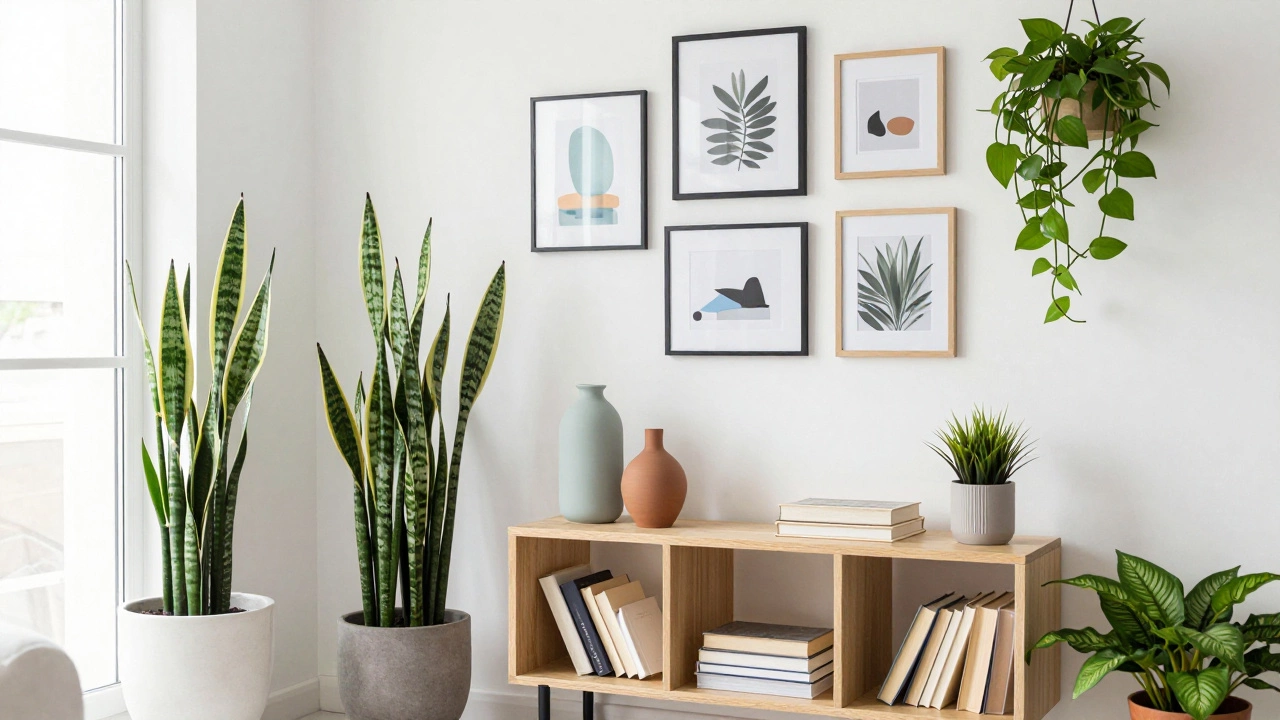
Plants instantly liven up sterile interiors. Low-maintenance options like snake plants, pothos, or ZZ plants thrive indoors even in low-light conditions. Place them on stands, hang from ceilings, or group together for maximum impact.
Display items that tell your story. Travel souvenirs, family photos, or handmade crafts add soul to neutral decor. Rotate artwork seasonally to keep things fresh. Don’t overcrowd surfaces-leave some negative space for balance.
Incorporate Functional Storage Solutions
Clutter makes any room look messy no matter how stylish it is. Invest in storage baskets, closed cabinets, or multi-functional furniture like storage benches. Keep remotes, magazines, and toys tucked away neatly.
Use vertical space wisely. Tall bookcases reach toward the ceiling and draw eyes upward. Wall-mounted shelves save floor space while displaying decorative objects. Label bins clearly so everyone knows where things belong.
Experiment With Accessories and Artwork
Accessories are the finishing touches that tie everything together. Vases, candles, trays, and sculptures add layers of detail. Group odd numbers of similar items together for visual harmony. Try placing a tray on a coffee table to corral smaller decor pieces.
Artwork brings personality to bare walls. Gallery walls mix frames of various sizes and styles. Large statement prints command attention above sofas. Consider rotating digital art displays if you enjoy changing visuals frequently.
| Update Type | Cost Range | Effort Level | Impact |
|---|---|---|---|
| Paint Walls | $50 - $200 | Medium | High |
| New Lighting | $30 - $150 | Low | Medium-High |
| Textile Swap | $40 - $120 | Low | Medium |
| Furniture Rearrangement | Free | Very Low | Medium |
| Add Plants | $10 - $80 | Low | Medium-High |
Know When to Let Go
Not every piece deserves a second chance. Donate or sell furniture that’s damaged beyond repair or clashes severely with your vision. Holding onto outdated items slows progress. Be honest about what truly enhances your daily life versus what takes up valuable square footage.
Before buying anything new, measure twice. Check doorways, hallways, and elevators to ensure delivery access. Sketch layouts digitally or on graph paper to test configurations virtually. Many retailers offer augmented reality tools to preview products in your actual room.
Maintain Momentum Without Burnout
Transforming a living room shouldn’t happen overnight. Spread projects across weeks or months depending on budget and energy levels. Celebrate small wins along the way. Take photos after each phase to track improvements.
Stay inspired by browsing design blogs, visiting showrooms, or flipping through magazines. Save ideas in folders labeled by category-lighting, textiles, storage-for easy reference later. Remember, your home reflects who you are. Make choices that resonate personally rather than chasing trends blindly.
What’s the fastest way to update a boring living room?
The quickest wins come from swapping textiles, rearranging furniture, and adding greenery. These require minimal effort and cost yet dramatically alter the ambiance overnight.
Can I update my living room without painting?
Absolutely. Focus on accessories, lighting upgrades, and strategic plant placement. Even minor tweaks like replacing curtain rods or updating lamp shades yield noticeable results.
How much should I spend refreshing my living room?
Budgets vary widely. Expect anywhere from $100 for basic swaps to several thousand dollars for comprehensive overhauls. Prioritize high-impact elements first and scale accordingly.
Is it worth hiring an interior designer?
Professionals offer expertise tailored to specific needs. While DIY suits most budgets, designers streamline decision-making processes especially during major renovations involving structural changes.
Where do I start if overwhelmed by options?
Begin with foundational aspects such as layout optimization and ambient lighting adjustments. Build outward incrementally incorporating personal preferences gradually throughout subsequent phases.