
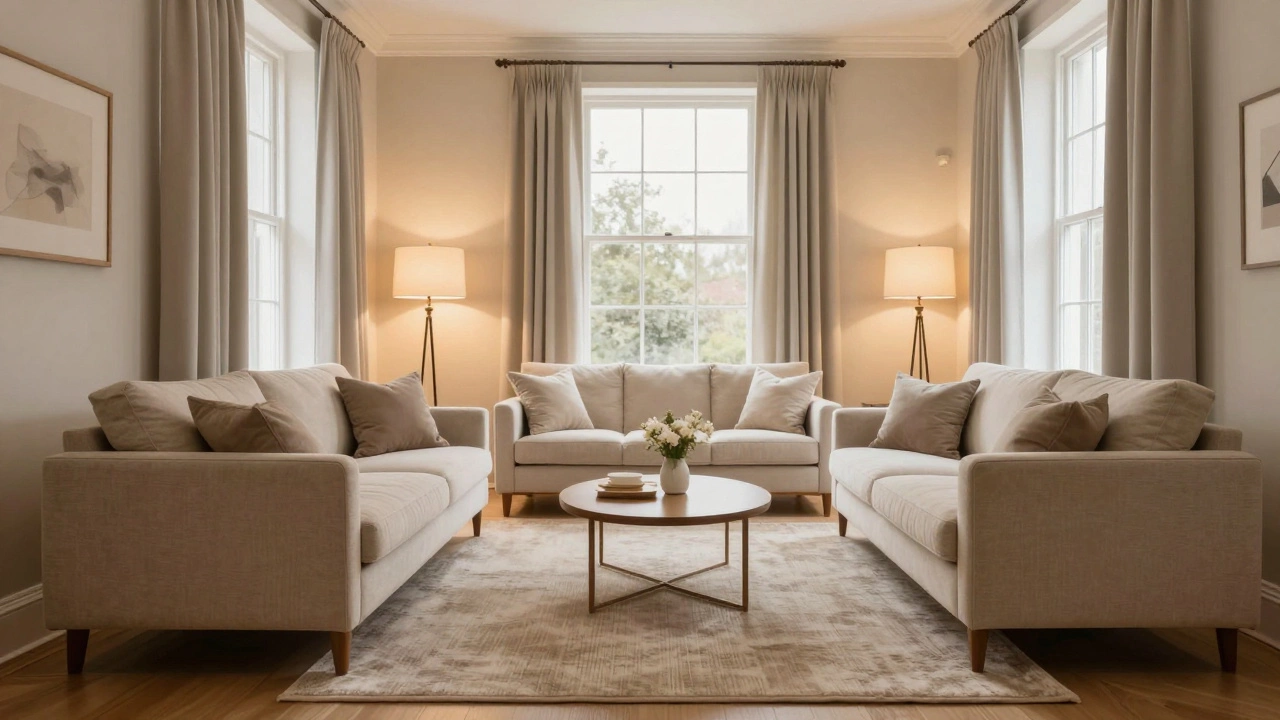
Living Room Color Palette Planner
Adjust the sliders to balance your room's colors according to the 60-30-10 rule.
This is a classic, balanced look. The dominant color sets the tone, while the secondary adds depth and the accent provides just enough energy without overwhelming the space.
Your living room is the heart of your home. It’s where you unwind after work, host friends, and spend time with family. But if it feels cluttered, dim, or just "off," it can be hard to relax. You don’t need a complete renovation or a huge budget to fix this. Small, strategic changes often make the biggest difference.
Improving your living room decor isn’t about following every trend. It’s about creating a space that works for your life and looks good doing it. Here is how you can transform your space step by step.
1. Start With a Clear Layout
Before buying anything, look at how your furniture sits in the room. Most people push everything against the walls because they think it makes the room feel bigger. Actually, it often makes the center look empty and awkward. Pull your seating inward to create a conversation area. This anchors the space and makes it feel cozy rather than cavernous.
Think about traffic flow. Can you walk from the door to the TV without dodging a coffee table? If not, rearrange. Leave at least 30 inches of walking space between pieces. If you have a large rug, make sure all front legs of your sofa and chairs sit on it. This ties the grouping together visually. Without a rug under the furniture, the room can feel disjointed, like separate islands floating in a sea of floorboards.
2. Layer Your Lighting
If your room has only one overhead light switch, you are missing out. Relying solely on ceiling lights creates harsh shadows and flattens the room’s depth. Professional designers use three layers of light: ambient, task, and accent.
- Ambient light: This is your general illumination. A central fixture or recessed lights provide baseline brightness.
- Task light: This helps you do specific activities. A reading lamp next to your armchair or a desk lamp for a workspace falls here.
- Accent light: This adds mood and highlights features. Think picture lights above art, LED strips behind the TV, or small spotlights on bookshelves.
Add dimmers to your switches. Being able to lower the intensity instantly changes the vibe from energetic daytime mode to relaxing evening mode. Floor lamps with warm-toned bulbs (around 2700K) are cheap and easy to move around until you find the perfect spot.
3. Choose a Cohesive Color Palette
Colors affect how we feel. Bright whites and cool grays can feel sterile if overused. Warm neutrals like beige, cream, or soft taupe feel inviting. Pick one dominant color for your walls or large furniture, a secondary color for accents like cushions, and a pop color for small items like vases or books.
The 60-30-10 rule is a handy guideline. Sixty percent of the room should be your main color. Thirty percent should be your secondary color. Ten percent is your accent color. This prevents the room from looking chaotic. If you love bold colors but are afraid to paint walls, try them in textiles. Throw pillows, blankets, and curtains are easy to swap out when your taste changes.
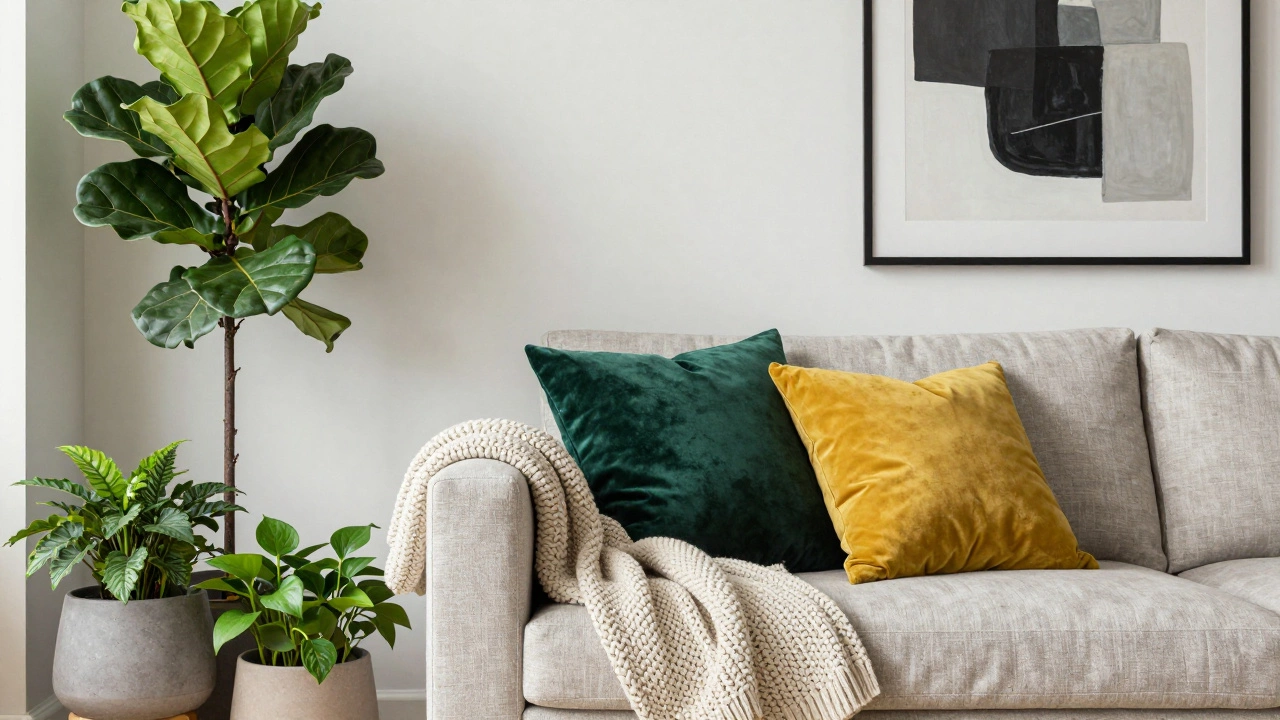
4. Mix Textures for Depth
A room with all smooth surfaces-leather sofa, glass coffee table, polished wood floors-can feel cold. Add texture to bring warmth and interest. Pair a chunky knit throw with sleek metal legs. Place a velvet cushion on a linen sofa. Use a jute rug under a smooth wooden chair.
Texture works even better than color in neutral schemes. If your room is mostly white and gray, different materials keep it from looking boring. Natural materials like wood, stone, and plants add organic texture that synthetic fabrics can’t replicate. Touch things as you shop. If it feels interesting in your hand, it will likely look interesting in the room.
5. Declutter and Edit
Too much stuff kills good design. Look around your living room right now. What do you see? If your eyes jump to ten different objects at once, you need to edit. Keep only what you use or love. Store remotes, cables, and magazines in baskets or drawers. Out of sight means peace of mind.
Display fewer items with more intention. Instead of lining up five small knick-knacks on a shelf, pick one meaningful object and give it breathing room. Group items in odd numbers-three or five-rather than pairs. Odd groupings feel more natural and dynamic to the human eye.
6. Bring in Greenery
Plants are the easiest way to add life to any room. They soften hard lines, improve air quality, and add a splash of green that complements almost any color scheme. Low-maintenance options like snake plants, pothos, or ZZ plants thrive in low light and require little water. For brighter spots, consider a fiddle leaf fig or monstera for a statement look.
Vary the height and pot style. Hang a trailing plant from a high shelf, place a medium-sized pot on a side table, and put a small succulent on a windowsill. Using similar pots-like terracotta or matte ceramic-creates visual harmony even if the plants are different species.
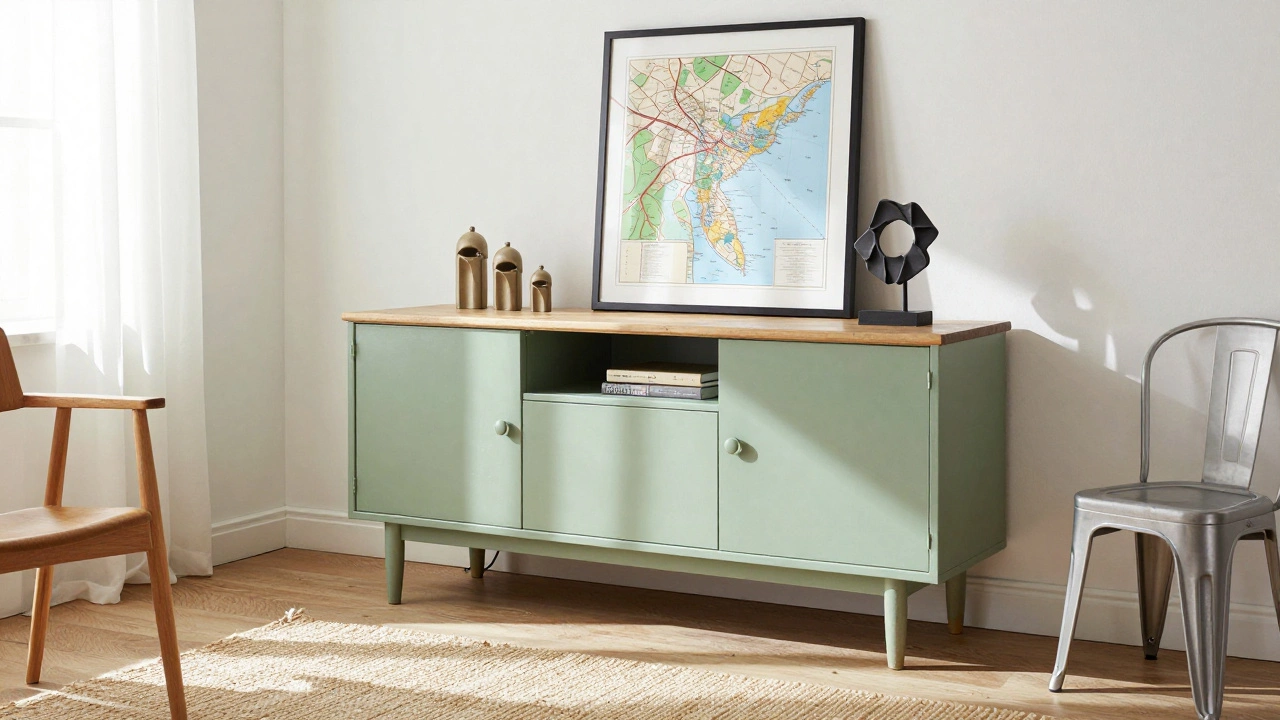
7. Personalize With Art and Memories
A room should reflect who lives there. Don’t leave walls bare unless you’re going for a minimalist gallery look. Hang artwork at eye level, which is typically 57 inches from the floor to the center of the piece. Frame photos, prints, or even children’s drawings. Mix frame styles but keep colors consistent to tie them together.
Include personal touches that tell a story. A map from a trip you loved, a vintage mirror from an antique market, or a handmade quilt from a relative. These items make the space uniquely yours and spark conversations with guests.
| Element | Action | Impact |
|---|---|---|
| Furniture Layout | Pull seating inward, align front legs on rug | Creates conversation zones, improves flow |
| Lighting | Add floor lamps, dimmers, accent lights | Reduces glare, adds mood flexibility |
| Color Scheme | Apply 60-30-10 rule, stick to 3 main colors | Prevents visual chaos, ensures cohesion |
| Texture | Mix fabrics (velvet, linen, wool) and materials | Adds warmth and visual interest |
| Clutter | Hide cables, store misc items, display less | Reduces stress, highlights key pieces |
| Greenery | Add 2-3 plants of varying heights | Brings life, softens edges, purifies air |
| Personal Items | Hang art at eye level, show meaningful objects | Makes space feel lived-in and unique |
Common Mistakes to Avoid
Many people buy furniture before measuring their space. Always measure doorways, hallways, and the room itself. A beautiful sofa is useless if it doesn’t fit through the front door. Another common error is ignoring scale. Tiny chairs in a large room look lost. Oversized sofas in a small apartment crush the space. Match furniture size to room dimensions.
Don’t forget the vertical space. Hanging curtains too low cuts off wall height. Install rods near the ceiling to draw the eye up and make ceilings appear higher. Similarly, tall bookshelves or floor-to-ceiling panels add grandeur without taking up floor space.
Budget-Friendly Swaps
You don’t need to replace everything. Sometimes, painting old furniture, swapping hardware on cabinets, or reupholstering chair seats can refresh a piece for a fraction of the cost. Thrift stores and online marketplaces are goldmines for unique finds. A solid wood dresser can become a stylish media console with new legs and a coat of paint.
Textiles are the cheapest way to change a room’s look. New curtains, a fresh rug, and updated pillow covers can completely alter the atmosphere. Rotate seasonal colors to keep things feeling new year-round.
What is the first thing I should change in my living room?
Start with decluttering. Remove items you don’t use or love. A clear surface and organized shelves instantly make a room feel larger and calmer. Once the space is clean, assess the layout and lighting before buying new decor.
How do I choose the right rug size for my living room?
The rug should be large enough for all front legs of your seating furniture to rest on it. This anchors the conversation area. Avoid small rugs that float in the middle of the floor. For large open-plan spaces, consider using multiple rugs to define different zones.
Can I mix different furniture styles in one room?
Yes, mixing styles creates character. Combine modern and traditional pieces, but keep a unifying element like color, material, or leg style. For example, pair a mid-century modern sofa with a classic Persian rug. The contrast feels intentional and curated rather than random.
What lighting temperature is best for a living room?
Warm white light (2700K to 3000K) is ideal for living rooms. It creates a cozy, inviting atmosphere. Cool white light (4000K+) feels clinical and is better suited for kitchens or offices. Use dimmers to adjust brightness based on the time of day and activity.
How high should I hang artwork in my living room?
Hang artwork so the center of the piece is at eye level, approximately 57 inches from the floor. This standard works for most adults. If hanging art above a sofa, leave 6 to 8 inches of space between the top of the furniture and the bottom of the frame to connect the two visually.
Is it okay to have mismatched throw pillows?
Mismatched pillows can look great if they share a common thread, such as color palette, texture, or pattern scale. Avoid combining too many loud patterns at once. Stick to two or three complementary designs and include solid-colored pillows to balance the visual noise.
How can I make a small living room feel bigger?
Use mirrors to reflect light and create depth. Choose furniture with exposed legs to show more floor space. Keep decor minimal and opt for lighter colors on walls and large furniture. Vertical storage draws the eye upward, making ceilings feel higher.