

Sofa Cushion Thickness & Comfort Planner
Your Ideal Specifications
Key Takeaways for Choosing Cushion Thickness
- Standard Comfort: 4 to 5 inches is the sweet spot for most living rooms.
- Low Profile: 3 inches works for modern, sleek aesthetics but requires high-density foam.
- Deep Luxury: 6+ inches is for oversized, lounge-style seating.
- The Golden Rule: Thickness alone doesn't equal comfort; you must pair it with the right foam density.
Matching Thickness to Your Design Style
Your choice depends heavily on the vibe of your room. A mid-century modern piece usually demands a slimmer profile. If you go too thick on a tapered-leg sofa, it looks bulky and out of proportion. For these styles, 3 to 4 inches is typical. However, because the padding is thinner, you can't use cheap foam, or you'll feel the frame within six months. On the other hand, if you're going for a "cloud" look or a deep sectional, you're looking at 6 inches or more. These are designed for lounging and leaning back. The risk here is the "sink-hole" effect. If you have 7 inches of soft foam, your hips will bottom out, and you'll find yourself sliding forward every time you try to sit up.| Thickness | Style/Use Case | Pros | Cons |
|---|---|---|---|
| 3" - 4" | Modern/Minimalist | Sleek look, easier to clean | Less support, wears out faster |
| 4" - 5" | Standard Family Sofa | Balanced support, versatile | None (Industry Standard) |
| 6"+ | Luxury Lounge/Deep Pit | Maximum coziness, plush feel | Harder to get out of, needs more space |
The Role of Foam Density
Thickness is just the vertical measurement. The real magic happens with foam density, which is the weight of the foam per cubic foot, determining how much support it provides and how long it lasts before sagging. If you choose a thin 3-inch cushion, you need a high-density foam (around 2.5 lbs per cubic foot) so that the foam resists compression. If you use low-density foam in a thin cushion, it will flatten instantly. Conversely, if you have a massive 6-inch cushion, you can afford to use a lower-density core with a soft "comfort layer" on top. Think of it like a mattress. You wouldn't want a 12-inch block of rock-hard foam, nor would you want a 2-inch piece of soft sponge. You need a balance. Most professional upholsterers use a "sandwich" method: a firm high-density base and a softer 1-inch layer of polyurethane foam or down feathers on top. This gives you the support of a thick cushion without feeling like you're sitting on a gym mat.How Thickness Affects Your Posture
Have you ever noticed that some sofas make your legs dangle or make you feel like you're slouching? That's usually a conflict between the cushion thickness and the frame height. When you add a thicker cushion, you raise the overall seat height. If the cushion is too thick, your feet won't touch the floor flat, which puts pressure on the underside of your thighs and can cut off circulation. Standard seat height (from floor to top of cushion) should be between 17 and 20 inches. If your frame is already 14 inches high and you add a 6-inch cushion, you're now at 20 inches, which might be too high for shorter people. Conversely, if the cushion is too thin and the frame is low, you'll end up in a "crouch" position. This puts immense strain on your lower back and knees. If you're replacing foam, measure your current seat height and decide if you want to move the sitting position up or down.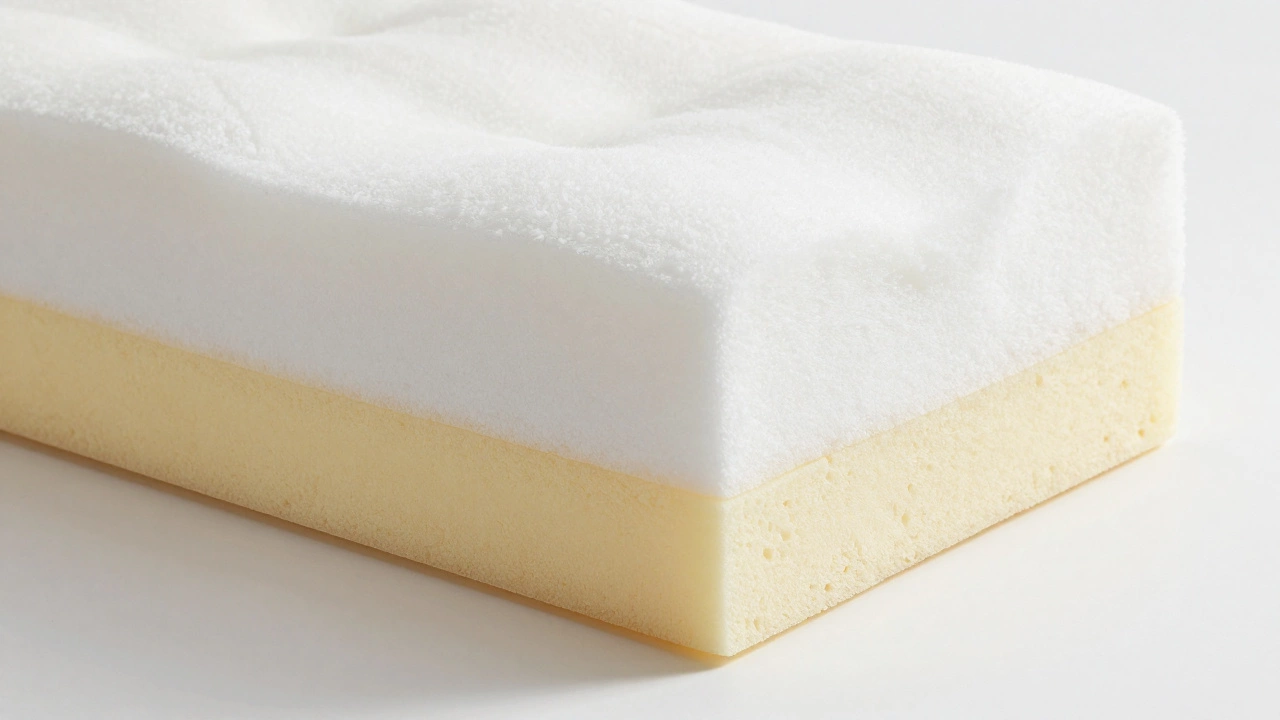
Durability and the "Bottoming Out" Problem
One of the biggest frustrations with sofa seat cushions is when they lose their shape. This is called "bottoming out," where the foam compresses fully and you feel the hard deck or springs beneath you. Thickness helps prevent this, but only if the material is right. A 5-inch cushion made of cheap, air-filled foam will bottom out faster than a 3-inch cushion made of high-resilience (HR) foam. HR foam has a more open cell structure and springs back much faster. If you are designing a sofa for a high-traffic area-like a family room where kids jump and adults lounge for hours-lean toward the 5-to-6 inch range. The extra material provides a larger buffer and generally lasts longer before the structural integrity fails. For a formal sitting room where guests only stay for 30 minutes, a 4-inch cushion is plenty.Practical Steps for Replacing Your Cushions
If your current cushions are sagging, don't just buy the thickest foam you can find. Here is how to handle the replacement process properly:- Measure the current foam: Strip the fabric cover and measure the exact thickness. Note if it has compressed over time.
- Check the cover slack: If you buy foam that is 1 inch thicker than the original, your fabric covers will be tight. This can actually make the cushion feel firmer because the fabric is stretching, but it can also cause the seams to rip over time.
- Test the density: When ordering, ask for a sample. Press your thumb into the foam. If it goes straight through to the other side, it's too soft for a thin cushion. It should resist you and push back.
- Consider a wrap: Use a layer of Dacron wrap, which is a polyester batting used to wrap foam cores to give them a rounded, natural look and prevent the fabric from slipping. This adds about half an inch of loft and prevents the "boxy" look.

Common Pitfalls to Avoid
Avoid the temptation to buy the cheapest foam from a big-box hardware store. Often, these are "utility foams" designed for packaging or basic padding, not for the constant weight of a human body. They will lose their loft in a matter of months, regardless of whether they are 3 inches or 6 inches thick. Another mistake is ignoring the "crown." A perfectly flat 5-inch block of foam looks unnatural. High-end sofas have a slight curve or crown to the cushion. You achieve this by using a slightly larger piece of foam than the cover, which creates a plump, inviting look. If you go too thick without this curvature, the sofa looks like a series of oversized bricks.Is thicker always more comfortable?
Not necessarily. Comfort comes from the balance of thickness and density. A very thick cushion with low-density foam will cause you to sink too far, leading to poor back support and difficulty getting up. A medium-thickness cushion with high-density foam often feels more supportive and comfortable for long periods.
What is the standard thickness for a modern sofa?
Most modern sofas use cushions between 4 and 5 inches thick. This provides a clean aesthetic while offering enough support for the average adult. Minimalist designs may go down to 3 inches, while oversized lounge sofas may go up to 7 inches.
Can I add more foam to my existing cushions?
Yes, you can add a layer of foam or a poly-fill topper. However, be careful with the fabric covers. If the cover is too small for the added thickness, it will put stress on the seams and may cause the cushion to bulge unnaturally.
What happens if my cushions are too thin?
Thin cushions (under 3 inches) increase the risk of "bottoming out," where you feel the sofa frame. This can lead to discomfort, pressure points on your tailbone, and faster wear and tear on the sofa's internal springs.
How do I know which foam density to pick?
For thickness under 4 inches, aim for a density of 2.5 lbs/ft³ or higher. For cushions 5 inches or thicker, you can use a 1.8 to 2.2 lbs/ft³ core with a softer topping. Always test the "push-back" of the foam before purchasing.
Next Steps for Your Sofa Project
If you're currently staring at a sagging sofa, start by removing one cushion and checking the foam. If it has permanent creases or a "dip" in the middle, the foam has failed, and no amount of fluffing will fix it. For those designing a new piece, create a mock-up. Use old pillows or blocks of foam to simulate different thicknesses on your frame. Sit on them for at least 15 minutes. You'll quickly realize if 4 inches feels too firm or if 6 inches makes you feel like you're swimming in fabric. Once you find that sweet spot, match it with a high-density HR foam for a seat that stays plush for a decade.