Shiplap Walls: Real Ideas, Common Mistakes, and How to Use Them Right
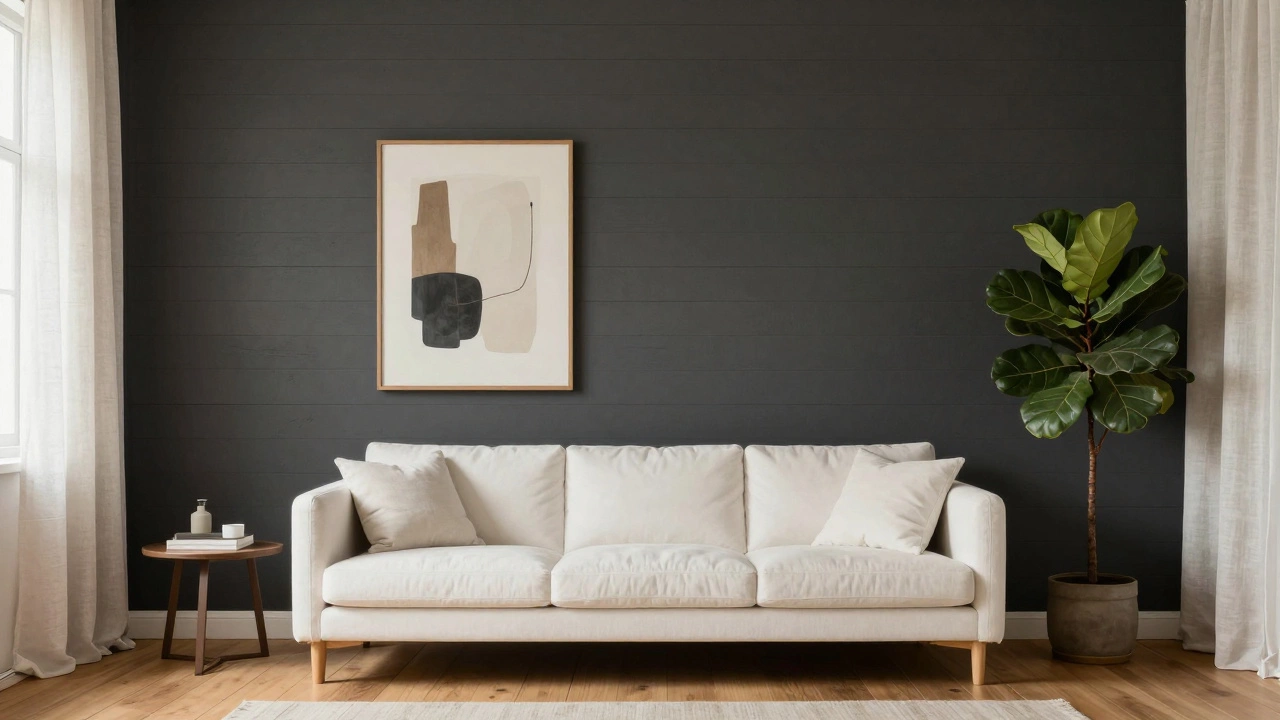
When you think of shiplap walls, a type of wooden wall paneling with overlapping boards that create a clean, horizontal line. Also known as board and batten, it’s not just a trend—it’s a practical way to add depth and character to a room without a full renovation. Unlike drywall, shiplap gives you texture, shadow, and a sense of craftsmanship. But here’s the thing: most people install it wrong. They cover every wall in white shiplap, call it "farmhouse chic," and wonder why their space feels flat. It’s not the material—it’s how it’s used.
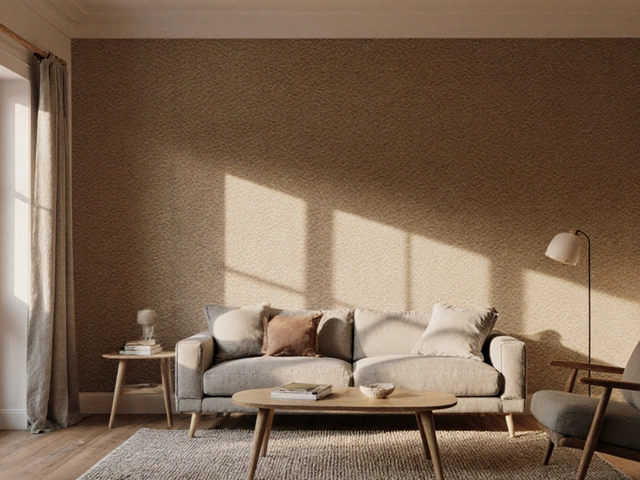
Shiplap works best when it’s intentional. Think of it like a good pair of jeans—it looks great with the right fit, but awkward if forced. Use it on one accent wall in a living room to frame a fireplace or TV. Try it in a bathroom for that clean, coastal vibe, just like in the zen bathroom ideas you’ve seen. Skip the ceiling unless you have high ceilings—otherwise, you’ll make the room feel smaller. And please, don’t paint it the same white as your trim. A slightly warmer or cooler tone makes all the difference. Shiplap also pairs well with textured wallpaper, a wall finish that adds tactile depth and visual interest in areas where you want contrast, like behind a dining room buffet. It’s not about replacing wallpaper—it’s about choosing the right tool for the job.
People often mix up shiplap with other types of wall paneling, any material applied to walls for decoration or protection. Beadboard is more decorative and curved, while board and batten has vertical strips over seams. Shiplap is flat, tight, and meant to be subtle. It’s also not just for cottages or kitchens. Modern homes use it in home offices, entryways, and even bedrooms to add warmth without clutter. The key? Balance. If your floors are dark, go light on the walls. If your furniture is bold, keep the shiplap neutral. It’s not a statement—it’s a canvas.
You’ll find plenty of posts here showing real homes where shiplap works—not because it’s trendy, but because it was thoughtfully placed. Some use it to hide uneven walls. Others use it to draw the eye upward in a low-ceilinged room. A few even pair it with natural fabrics, materials like linen or cotton that soften a space in curtains or bedding to create a calm, grounded feel. You won’t see any posts here pushing shiplap as a one-size-fits-all fix. Instead, you’ll see how it fits into real design problems: how to make a small room feel bigger, how to add character without paint, how to tie together a room that feels disjointed.
Shiplap isn’t going anywhere—not because it’s trendy, but because it solves real problems. It’s affordable, easy to install, and hides imperfections. But it’s not magic. Get it right, and it becomes part of the room’s story. Get it wrong, and it becomes the thing everyone notices for the wrong reasons. Below, you’ll find real examples of how others used it—successfully. No fluff. No overpriced makeovers. Just what works, and why.