Wall Finishes: Types, Trends, and How to Choose the Right One for Your Home
When you think about wall finishes, the surface treatments applied to interior walls to enhance appearance, texture, and durability. Also known as wall treatments, they’re the quiet heroes of interior design—making rooms feel warm, expensive, or modern without moving a single piece of furniture. It’s not just paint anymore. Today’s wall finishes include everything from smooth plaster to bold textured wallpaper, embossed panels, and even reclaimed wood. They’re not decorative afterthoughts; they’re foundational choices that set the tone for the whole room.
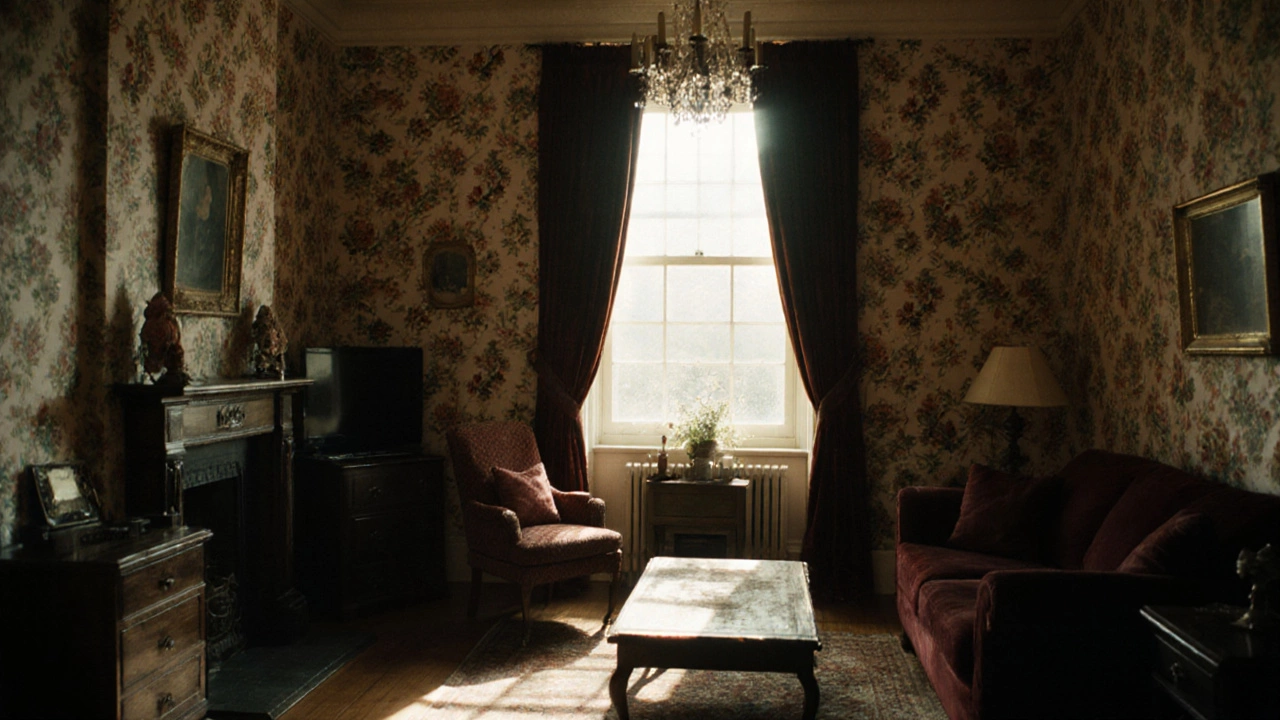
One of the biggest shifts in recent years is how people treat textured wallpaper, a wall covering with raised or embossed patterns that add depth and tactile interest. Also known as 3D wallpaper, it’s no longer the heavy, floral mess from the ‘80s. Modern versions are minimalist, handcrafted, and designed to catch light in subtle ways. They work best in living rooms, bedrooms, or even entryways where you want to create a sense of luxury without spending big. And yes, they’re back—but smarter, easier to install, and way more versatile than you remember.
Then there’s wall texture, the physical surface quality of a wall, created through plaster, skim coats, or specialized paints. Also known as wall finishes, it’s what gives a room its character. Think of it like the difference between a smooth silk shirt and a chunky knit sweater—both are clothing, but they feel and look completely different. A lightly textured wall can hide imperfections, add warmth to cold rooms, and make even simple furniture look intentional. It’s the secret behind why some homes feel expensive even when the budget was tight.
Wall finishes also connect to how you use space. A room with a glossy finish reflects light and feels bigger—great for small bathrooms or dark hallways. Matte finishes absorb light and feel cozy, perfect for bedrooms or living areas. And if you’re renting? Many modern peel-and-stick finishes let you change the look without damaging walls. You don’t need a designer to make this work. Just pick the right material for the room’s function and your lifestyle.
What you see in the posts below isn’t random. Each one tackles real problems: how to make a dull wall pop, whether curtains and wall finishes should match, how to style a wall with art over texture, and why some finishes last longer than others. You’ll find practical fixes for common issues—like how to install textured wallpaper without bubbles, or how to clean a textured wall without ruining it. There’s no fluff here. Just clear, real-world advice from people who’ve done it themselves.