Timeless Sofa Color Finder
Select your living situation and preferences to find the most durable and stylish neutral sofa color for your home.
Select your options and click "Find My Match" to see which neutral tones suit your life best.
You walk into a furniture showroom, overwhelmed by swatches. Neon greens, dusty pinks, and electric blues scream for attention. But then you pause. You look at the beige sofa in the corner, the charcoal one near the window, and the cream sectional dominating the display. Why do these specific shades seem to haunt every stylish home for decades? It’s not because they are boring. It’s because timeless sofa colors act as the silent backbone of a room. They don’t fight for dominance; they allow everything else to shine.
If you’re tired of repainting your walls or replacing upholstery every time Pinterest changes its mind, you need to understand which hues actually last. This isn’t about following rules blindly. It’s about understanding how light, texture, and human psychology interact with color. Let’s break down exactly which sofas will still look right in ten years, why they work, and how to choose the one that fits your life.
The Psychology Behind Timeless Choices
Why do we gravitate toward certain colors? It comes down to stability. Humans naturally seek environments that feel grounded. Neutral tones like white, black, gray, and brown provide this psychological anchor. They mimic natural elements-stone, wood, earth, sky-which our brains process as safe and calming.
When you choose a neutral sofa, you aren’t making a statement about your personality. You’re creating a canvas. Think of it like wearing a plain t-shirt. It doesn’t define who you are, but it allows your accessories, your art, and your friends to stand out. A bold red sofa defines the room. A gray sofa lets the room breathe. If you change your rug, your curtains, or your wall art, a neutral sofa adapts. A trendy teal sofa might clash with next year’s wallpaper. That flexibility is the true definition of timeless.
The Big Four: Neutrals That Last
Not all neutrals are created equal. Some feel cold, others feel dated. Here are the four categories that have survived every major design shift since the mid-20th century.
1. Warm Whites and Creams
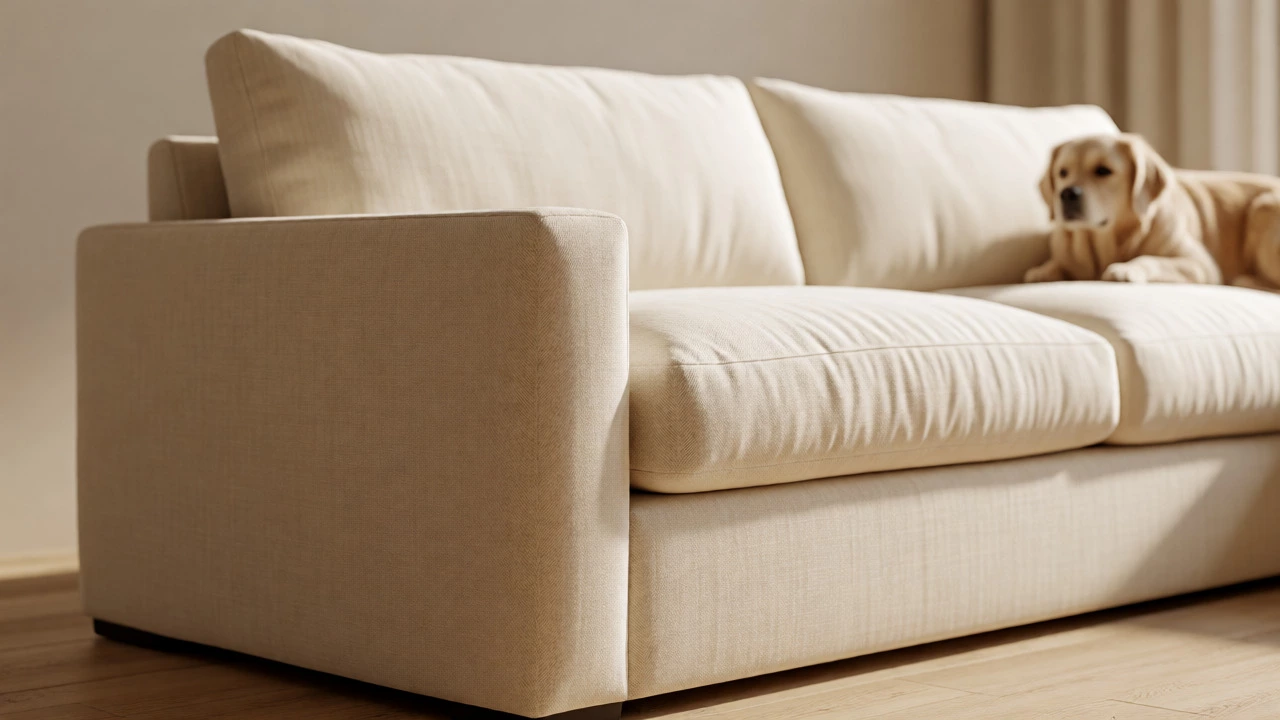
Cream is not just "off-white." It has yellow or warm undertones that prevent it from looking sterile. Unlike stark white, which shows every stain and shadow, cream absorbs light softly. It makes small rooms feel larger without feeling clinical.
However, there is a catch. In Melbourne, where dust and pet hair are common realities, pure white linen can be a nightmare. Opt for a performance fabric in a creamy tone. Look for fabrics treated with stain-resistant technology. If you have kids or pets, skip the delicate silk-blend whites. Go for a heavy-weave cotton or a synthetic blend that mimics the texture of linen but wipes clean with a damp cloth.
2. Greige (Gray + Beige)
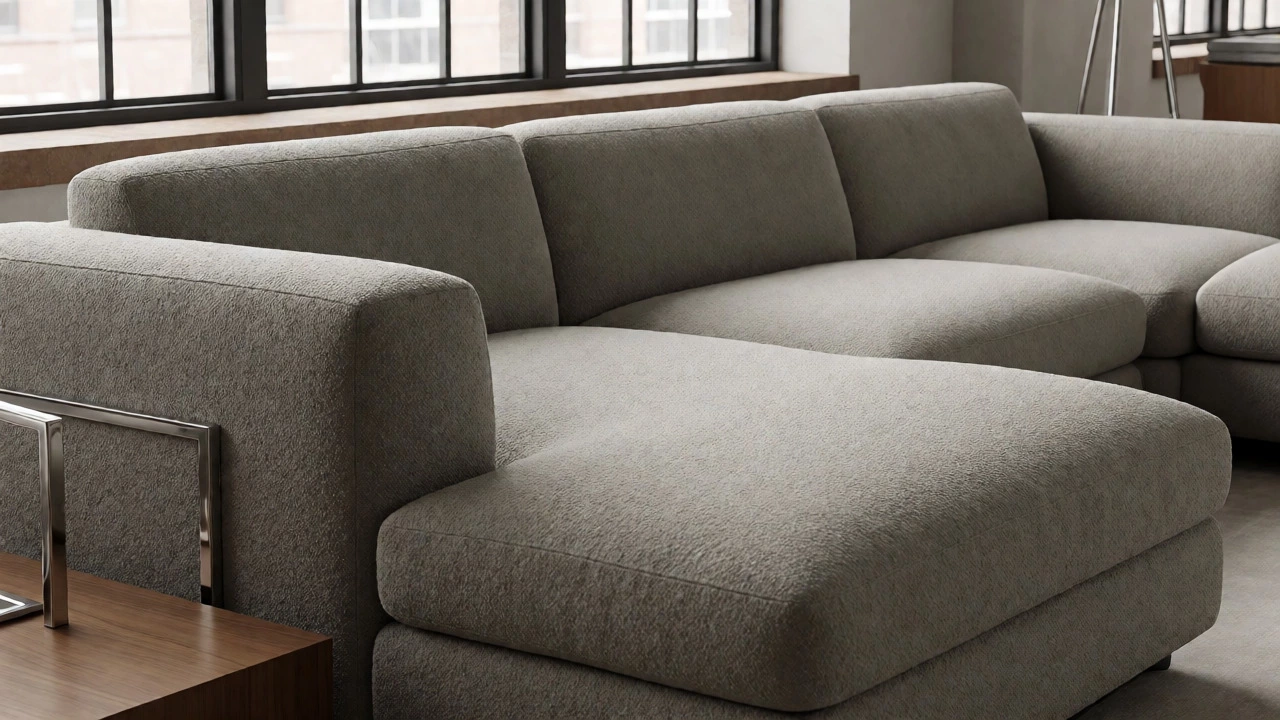
For years, cool grays dominated modern interiors. But cool grays often looked blue in daylight and green under artificial lighting. Enter Greige. This hybrid color balances the sophistication of gray with the warmth of beige. It is arguably the most versatile color available today.
Greige works because it doesn’t have strong undertones that clash with other colors. It pairs beautifully with both warm woods (like oak) and cool metals (like chrome). If you want a sofa that looks good in a farmhouse style, a mid-century modern setup, or a sleek contemporary loft, greige is the safest bet. It hides stains better than cream but feels less severe than dark gray.
3. Charcoal and Slate Gray
If you prefer drama without committing to black, Charcoal is your answer. It provides high contrast against lighter walls and floors, adding depth to a space. Charcoal grounds a room. It feels substantial and expensive.
This color is particularly effective in rooms with large windows or abundant natural light. It anchors the view outside while keeping the interior cozy. The only downside? Charcoal shows lint and light-colored pet hair aggressively. If you have a golden retriever, you’ll be vacuuming daily. But visually, it remains one of the most sophisticated choices you can make.
4. Classic Navy Blue
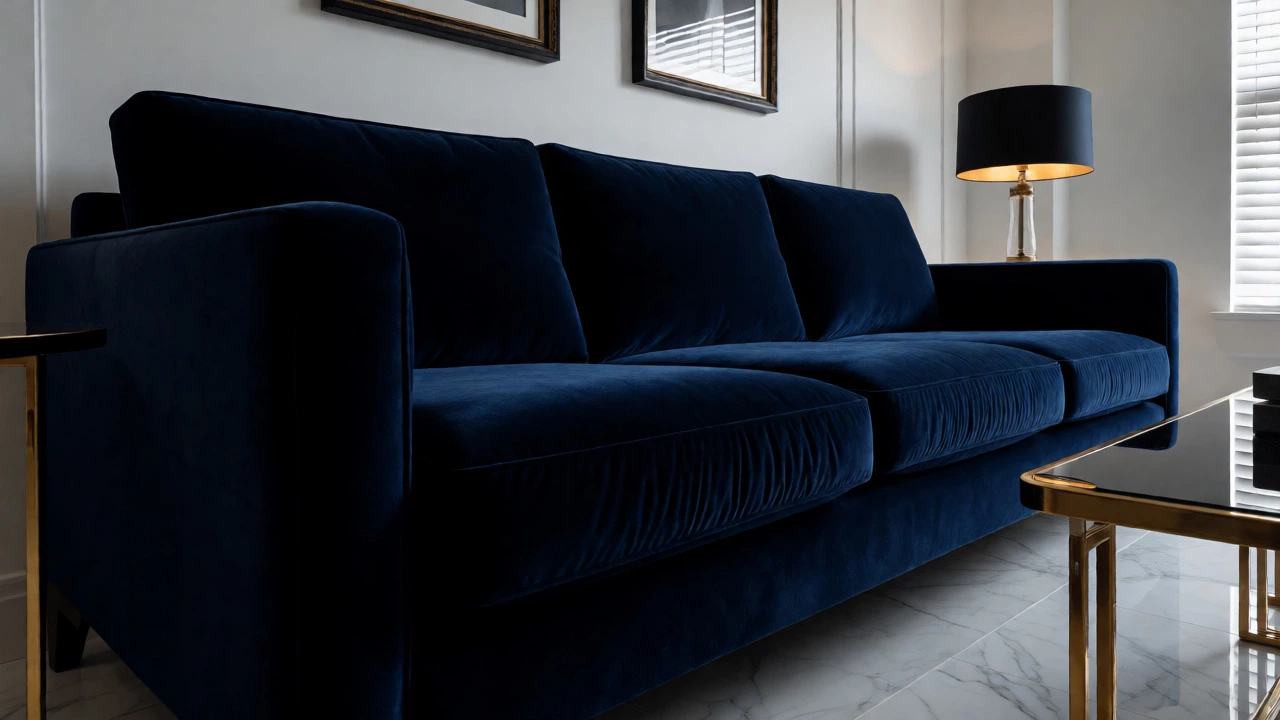
Is navy a neutral? Technically, no. But in practice, it functions like one. Navy Blue has been a staple in traditional and transitional design for centuries. It pairs effortlessly with white, cream, gold, wood, and even other blues.
Navy adds character without shouting. It feels trustworthy and calm. If you find pure neutrals too bland, navy offers a touch of color that won’t go out of fashion. It’s the perfect compromise for someone who wants interest but fears regret. Just ensure the shade is deep enough. Lighter blues can look childish or dated. Stick to midnight or ink-blue tones.
Texture Matters More Than Hue
Here is a secret designers know: two sofas of the same color can look completely different based on texture. A flat, shiny polyester in beige looks cheap. A nubby, matte boucle in beige looks luxurious. Texture adds visual interest that color alone cannot achieve.
| Fabric Type | Durability | Aesthetic Vibe | Best For |
|---|---|---|---|
| Bouclé | Moderate | Soft, Organic, Modern | Statement pieces, low-traffic areas |
| Linen Blend | High | Crisp, Airy, Casual | Sunrooms, casual living rooms |
| Velvet | Low-Moderate | Luxurious, Rich, Deep | Formal spaces, accent chairs |
| Performance Cotton | Very High | Practical, Clean, Simple | Families with pets/kids |
| Leather (Aniline) | Extremely High | Classic, Aging Beautifully | Long-term investment pieces |
When choosing a timeless color, pair it with a timeless texture. Bouclé is trending now, but its looped structure has existed for decades. Velvet has cycled in and out of popularity, but a well-made velvet sofa always looks intentional. Avoid microfiber if possible; it tends to pill and lose its sheen quickly, making even a classic color look worn out.
Matching Your Lifestyle, Not Just Trends
A beautiful sofa is useless if you’re afraid to sit on it. Your lifestyle should dictate the final color choice more than any magazine spread.
- Pet Owners: Avoid light creams and dark charcoals if your pets shed heavily. Medium-toned browns, taupes, or patterned fabrics in neutral bases hide fur best. Consider leather-it wipes clean and doesn’t trap hair like fabric does.
- Small Spaces: Light neutrals (cream, light gray) reflect light, making tight rooms feel airy. Dark sofas can shrink a small room unless you have high ceilings.
- Busy Families: Performance fabrics in greige or medium brown are your best friends. They hide spills and wear marks. White is risky unless you use slipcovers.
- Minimalists: Stick to monochromatic schemes. A charcoal sofa against white walls creates sharp, clean lines. A cream sofa against beige walls creates soft, seamless blending.
Think about what happens in your living room. Do you eat dinner on the coffee table? Watch movies every night? Host parties? A durable, stain-hiding color saves you stress. A fragile, high-maintenance color adds chore lists.
Common Mistakes When Choosing "Safe" Colors
Many people think picking a neutral means picking a boring one. That’s false. The mistake usually lies in ignoring lighting and scale.
Mistake 1: Ignoring Undertones. Every gray has an undertone-blue, green, purple, or brown. Under warm indoor lighting, a blue-gray sofa might look muddy. Under cool LED lights, a warm greige might look pinkish. Always test swatches in your actual room at different times of day. Bring a piece of the fabric home. Put it against your wall. Sit on it. Live with it for 24 hours.
Mistake 2: Going Too Small. A tiny loveseat in a bold color is a fun experiment. A massive sectional in a trendy hue is a commitment. If you’re unsure, keep the large pieces neutral and add color through cushions and throws. This way, when you tire of the trend, you swap the $50 pillows, not the $2,000 sofa.
Mistake 3: Matching Everything. Don’t buy a sofa that matches your rug perfectly. It flattens the space. Aim for tonal variation. If your floor is light wood, choose a darker sofa. If your walls are dark, choose a lighter sofa. Contrast creates depth.
How to Style a Timeless Sofa
Once you’ve chosen your enduring color, how do you keep it fresh? You layer.
- Start with Texture: Add a chunky knit throw or a faux fur pillow. This breaks up the solid block of color.
- Add Metallic Accents: Gold, brass, or silver legs on side tables or lamps elevate a simple neutral sofa.
- Use Artwork: Hang a bold piece of art above the sofa. The sofa becomes the frame; the art becomes the focus.
- Rotate Accessories: Change your cushion covers seasonally. Swap pastels for spring and jewel tones for winter. The sofa stays the same; the vibe changes.
This approach gives you the best of both worlds. You get the longevity of a classic color and the excitement of changing trends without breaking the bank.
What is the most popular sofa color right now?
While trends shift, warm neutrals like oatmeal, sand, and taupe are currently leading the market. These shades align with the broader movement toward organic, earthy interiors that prioritize comfort and connection to nature over stark minimalism.
Do white sofas go out of style?
No, white sofas are considered a permanent fixture in interior design. However, the specific shade may evolve. Stark, clinical whites may fade in favor of warmer, softer whites and creams that feel more inviting and lived-in.
Which sofa color is easiest to maintain?
Medium-toned colors like taupe, greige, and medium brown are the easiest to maintain. They effectively hide dust, pet hair, and minor stains better than very light or very dark options. Patterned fabrics also offer excellent camouflage for everyday wear.
Should I match my sofa to my curtains?
You don't need to match them exactly. In fact, matching them perfectly can look dated. Instead, aim for complementary tones. If your curtains are a patterned neutral, a solid sofa in one of the pattern's secondary colors creates a cohesive but dynamic look.
Are leather sofas timeless?
Yes, especially in classic colors like cognac, tan, and black. Leather ages gracefully, developing a patina that many homeowners find desirable. Unlike fabric, which can look shabby when worn, worn leather often looks more characterful and valuable.