

Sofa Cushion Size Calculator
How to Use This Calculator
Enter your sofa's measurements and type to determine the ideal cushion size. Based on industry standards from the article.
Enter your sofa measurements to see recommended sizes.
When you’re shopping for new sofa cushions or trying to replace worn-out ones, the biggest question isn’t always about fabric or color-it’s size. What is the most popular cushion size? The answer isn’t one number. It’s a range, shaped by sofa style, room layout, and how people actually sit. Most manufacturers and interior designers agree: the most common seat cushion size for standard sofas is 20 inches wide by 20 inches deep. Back cushions? Usually 20 inches by 20 inches too, though they’re often taller-around 20 inches wide by 16 to 20 inches high.
Why 20x20 Is the Default
The 20x20 inch cushion became the standard because it fits perfectly on the average three-seater sofa. Most modern sofas have seat widths between 60 and 72 inches. That means you can comfortably fit three 20-inch cushions side by side, leaving just enough space for armrests and a little breathing room. If you go smaller-say 18 inches-you end up with gaps that look awkward. Go bigger, like 24 inches, and the cushions start to crowd the sofa, making it harder to move around or fit in a tight space.
It’s not just about measurements. A 20x20 cushion holds its shape well over time. Too thin, and it flattens out after a few months. Too thick, and it feels like sitting on a beanbag. Most quality cushions use high-density foam (at least 2.5 lbs per cubic foot) wrapped in polyester fiber. That combo gives you support without sacrificing softness. Brands like IKEA, Crate & Barrel, and West Elm all use this size as their baseline for ready-made cushions.
Back Cushions Are Different
While seat cushions are mostly square, back cushions come in more shapes. On a standard sofa, you’ll typically see two or three back cushions. Their width stays around 20 inches to match the seat, but height varies. Most are 16 to 20 inches tall. Why the difference? Taller back cushions (18-20 inches) are better for lounging and provide more lumbar support. Shorter ones (14-16 inches) suit sleeker, modern sofas where visual lightness matters more than deep cushioning.
Some sofas use long, continuous back cushions instead of individual ones. These are usually 20 inches wide and 40 to 50 inches long. They’re common in sectional sofas and mid-century modern designs. If you’re replacing one, measure carefully-these aren’t sold as standard sizes.
What About Accent or Decorative Cushions?
Don’t confuse seat cushions with decorative ones. Those are the smaller pillows you toss on for style, not comfort. Decorative cushions range from 12x12 inches up to 18x18 inches. They’re not meant to sit on. If you try, they’ll flatten fast. Their job is to add color, texture, and rhythm to a sofa. A common rule of thumb: use one large (18x18), two medium (16x16), and one small (12x12) to create visual balance. But again, these aren’t part of the “most popular cushion size” conversation when it comes to actual seating.
How to Measure Your Own Cushions
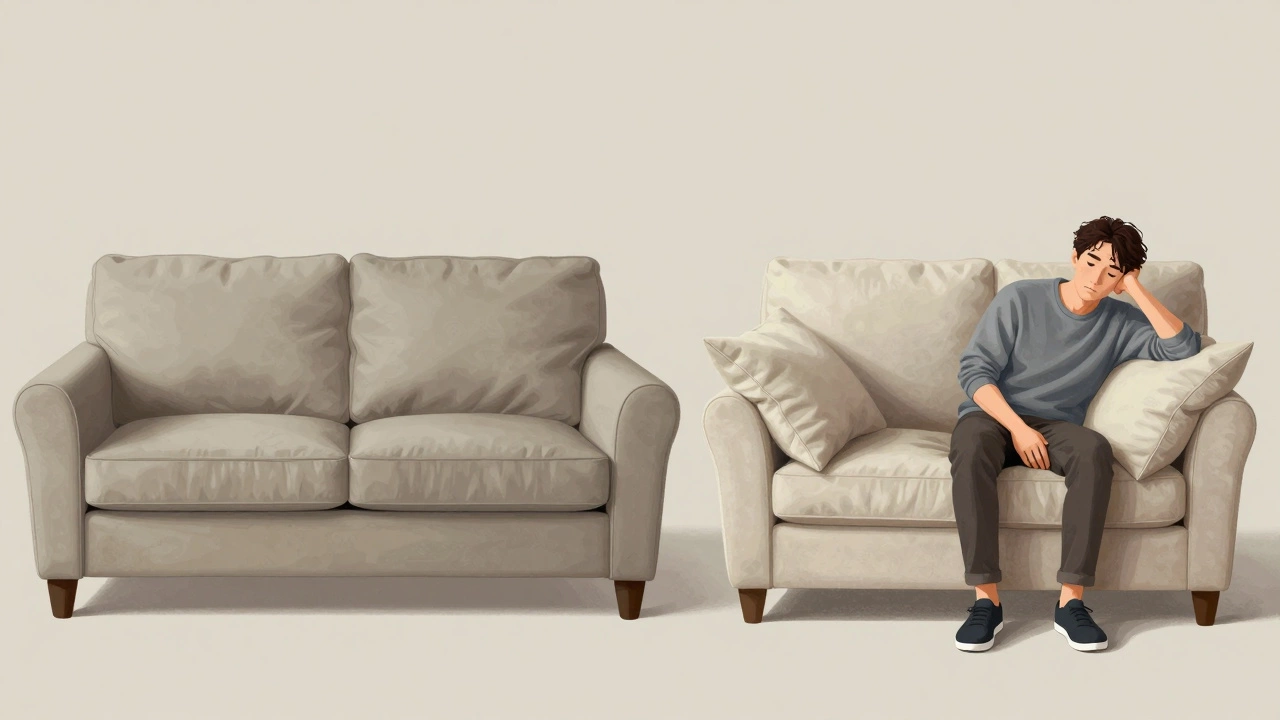
Before you buy replacements, don’t guess. Pull out your old cushions and measure them. Use a tape measure-not your eyes. Measure:
- Width (side to side, across the front)
- Depth (front to back, from the sofa’s front edge to the back)
- Height (for back cushions, from the sofa seat to the top)
Most cushions shrink over time. A cushion that was 20x20 might now be 19x19. That’s normal. But if it’s more than an inch smaller, it’s time to replace it. Also, check the stitching. If the fabric is stretched or the seams are loose, the cushion’s structure is failing-even if the size still looks right.
What Size Works Best for Small or Large Sofas?
Not all sofas are created equal. A compact loveseat (under 60 inches wide) often uses 18x18 inch cushions. It looks proportional and keeps the space from feeling overloaded. On the flip side, large sectionals or L-shaped sofas sometimes use 24x24 inch cushions. These are common in modern, low-profile designs where fewer, larger cushions create a clean, uncluttered look.
But here’s the catch: 24-inch cushions need more room. If your sofa is deeper than 36 inches, they work fine. If it’s shallow, they’ll stick out too far and make it hard to walk past. Always match cushion size to the sofa’s frame-not the other way around.
Custom Cushions Are Worth It
If your sofa doesn’t fit the mold-maybe it’s vintage, imported, or oddly shaped-don’t force standard sizes. Custom cushions cost more, but they last longer and fit better. A good upholsterer will measure your frame, recommend foam density, and even suggest fabric that resists fading or pilling. For high-use family sofas, go with performance fabrics like Crypton or Sunbrella. They’re stain-resistant, durable, and come in dozens of colors.
Most custom cushion makers offer 1-inch increments. So if your sofa needs a 21x21 cushion, they’ll make it. No more settling for “close enough.”
Common Mistakes to Avoid
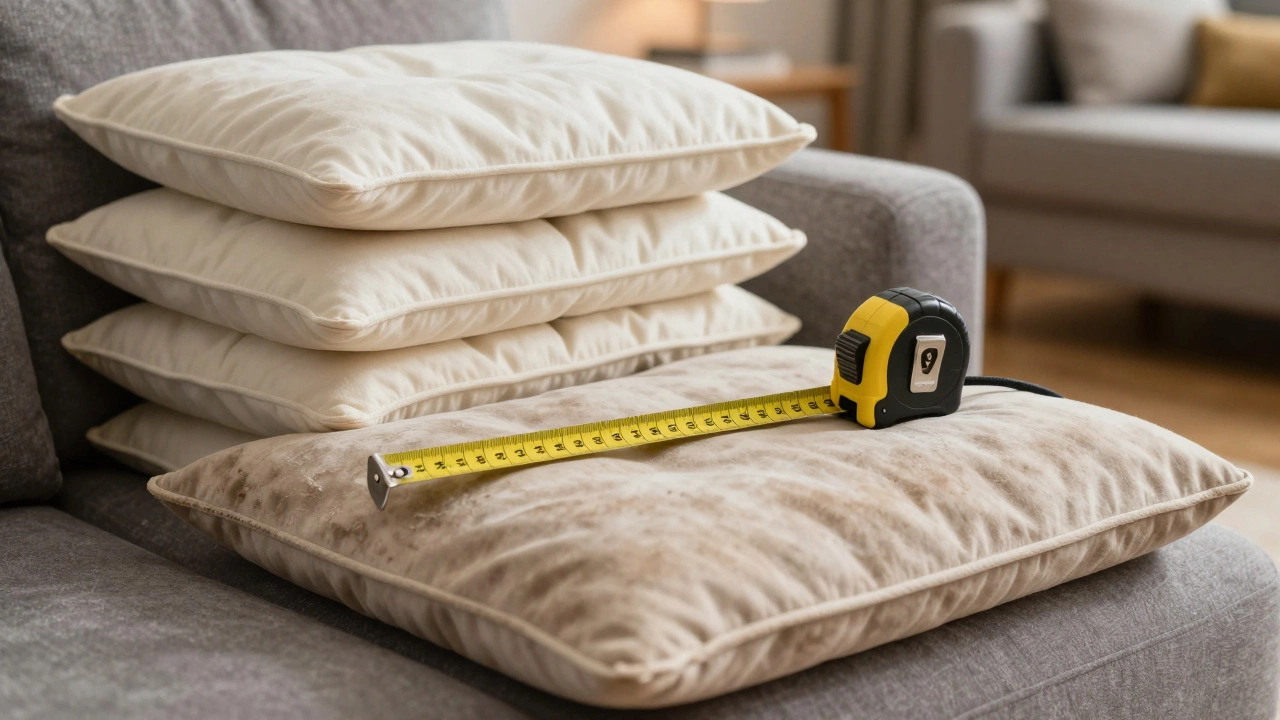
- Buying cushions based on pictures-online photos can distort size. Always measure your sofa.
- Choosing fluffier cushions for comfort-they look nice but collapse fast. Prioritize foam density over fluff.
- Ignoring depth-a cushion might be the right width but too shallow. That leaves a gap between the cushion and the sofa back.
- Mixing sizes without a plan-three different sizes can look messy. Stick to one or two sizes that complement each other.
What the Experts Say
Interior designers who work with high-end furniture brands consistently point to 20x20 as the sweet spot. According to the American Society of Interior Designers (ASID), over 70% of sofa cushion replacements in 2025 were ordered in the 20x20 inch size. That’s not a coincidence-it’s the result of decades of testing how people sit, relax, and move around their living rooms.
Even in minimalist Scandinavian designs, where less is more, the cushions are still 20 inches. The difference is in the fabric and shape-not the size.
Final Answer: 20x20 Inches
So, what is the most popular cushion size? It’s 20 inches by 20 inches. That’s the standard for seat cushions on the vast majority of sofas sold today. Back cushions usually match in width but vary in height, typically between 16 and 20 inches. If you’re replacing cushions, start here. If your sofa is unusual, measure first. And if you’re buying new, ask the retailer: "What size cushions come with this sofa?" That’ll tell you everything you need to know.
Are 18x18 inch cushions too small for a sofa?
Not necessarily. 18x18 inch cushions work well on smaller sofas, like loveseats or compact sectionals, especially in modern or Scandinavian-style rooms. They prevent the sofa from looking bulky. But on a standard three-seater (60-72 inches wide), they’ll leave visible gaps between cushions, which can look uneven. For those, 20x20 is better.
Can I use 24x24 inch cushions on a regular sofa?
It depends. 24x24 cushions are designed for large, deep sofas-usually sectionals or modern designs with seat depths over 36 inches. On a standard sofa, they’ll stick out too far and make it hard to walk around. They also require more filling to stay plump, which can make them too firm. Stick with 20x20 unless your sofa is specifically built for larger cushions.
Do cushion sizes vary by brand?
Yes, but not by much. Major brands like IKEA, Pottery Barn, and Ethan Allen all use 20x20 as their default for standard sofas. Some luxury or custom brands might offer 22x22 or 18x18, but those are exceptions. If you’re replacing cushions, check the original size first. Don’t assume all brands are the same.
Should back cushions be taller than seat cushions?
Usually, yes. Seat cushions are typically 20x20 inches (width x depth). Back cushions are often 20 inches wide but 16 to 20 inches tall. That extra height gives you something to lean against without slumping. If your back cushions are too short, you’ll end up with poor posture. If they’re too tall, they might block the view or look top-heavy.
How do I know if my cushions are worn out?
Look for three signs: sagging (cushions sink more than 2 inches when you sit), flattened shape (they no longer spring back), or visible seams (fabric is stretched or pulling away). If the foam feels hard or lumpy, it’s broken down. Most cushions last 3-5 years with regular use. If yours are older than that and don’t bounce back, it’s time to replace them.