
Living Room Wall Decor Planner
Enter your furniture details to get precise recommendations for art size and placement, ensuring a professional, curated look.
You stare at that big, blank expanse of plaster above your sofa. It feels like a missed opportunity, doesn't it? Most people freeze here because they think living room wall decor requires a massive budget or an expensive gallery piece. But the truth is, the best walls tell a story about who you are, not just how much you spent. Whether you’re in a compact Melbourne apartment or a sprawling suburban home, filling those vertical spaces correctly can completely change the vibe of your room. Let’s break down exactly what works right now, moving beyond the generic "buy a print" advice.
The Foundation: Art vs. Decor vs. Function
Before you buy a single frame, decide what job this wall needs to do. Are you trying to anchor the seating area? Do you need to hide a weird electrical outlet? Or do you just want visual interest? This distinction matters because Wall Art is defined as visual elements intended primarily for aesthetic appreciation and emotional impact, whereas Wall Decor often includes functional or structural items that serve a secondary purpose alongside aesthetics. Mixing them up leads to cluttered rooms that feel chaotic rather than curated.
If your living room lacks warmth, start with soft textures. If it feels cold and sterile, introduce metal or glass. The goal is balance. For instance, if you have a heavy velvet sofa, don’t hang another heavy, dark oil painting above it. You’ll crush the space visually. Instead, try something lighter, like a line drawing or a mirror, to reflect light and create airiness.
Top Picks for Modern Living Rooms
So, what is actually trending in 2026? We’ve moved away from the stark minimalism of the early 2020s toward "warm maximalism." This means more personality, more layers, and yes, more color. Here are five specific categories that consistently deliver high impact without requiring a renovation crew.
| Option | Best For | Cost Range (AUD) | Effort Level | Visual Impact |
|---|---|---|---|---|
| Large Scale Canvas Prints | Anchoring large sofas | $150 - $800 | Low | High |
| Gallery Walls | Personal storytelling | $50 - $300 | Medium | Medium-High |
| Oversized Mirrors | Small/dark rooms | $200 - $1,200 | Low | High |
| Textile Tapestries | Acoustic improvement & warmth | $80 - $400 | Low | Medium |
| Wall Shelves | Displaying collections | $100 - $500 | Medium | Variable |
1. Large-Scale Statement Pieces
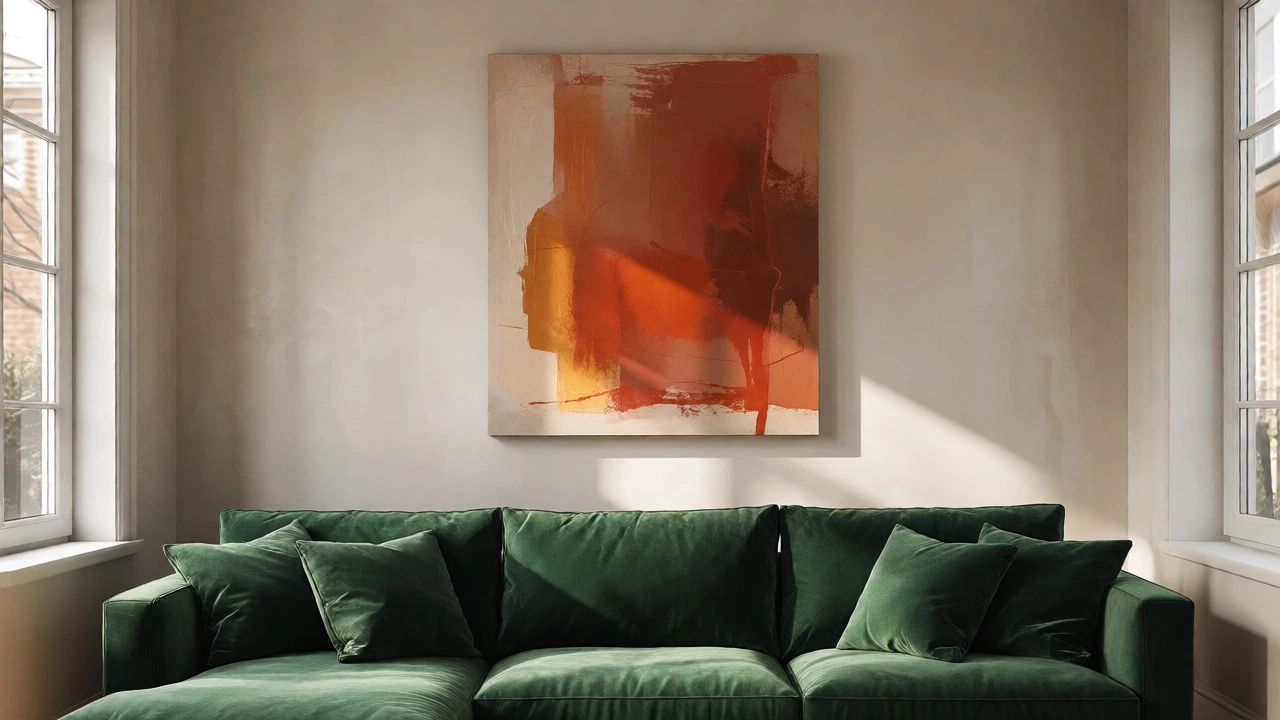
One giant piece of art often beats ten small ones. Why? Because it creates a focal point instantly. If you have a three-seater sofa, aim for a piece that covers at least two-thirds of the sofa’s width. This proportion rule prevents the art from looking like a postage stamp stuck on the wall. In Melbourne, local artists often sell limited edition prints that offer unique character without the price tag of original oils. Look for abstract pieces with bold colors that pick up accents from your cushions or rug. This ties the room together visually.
2. The Curated Gallery Wall
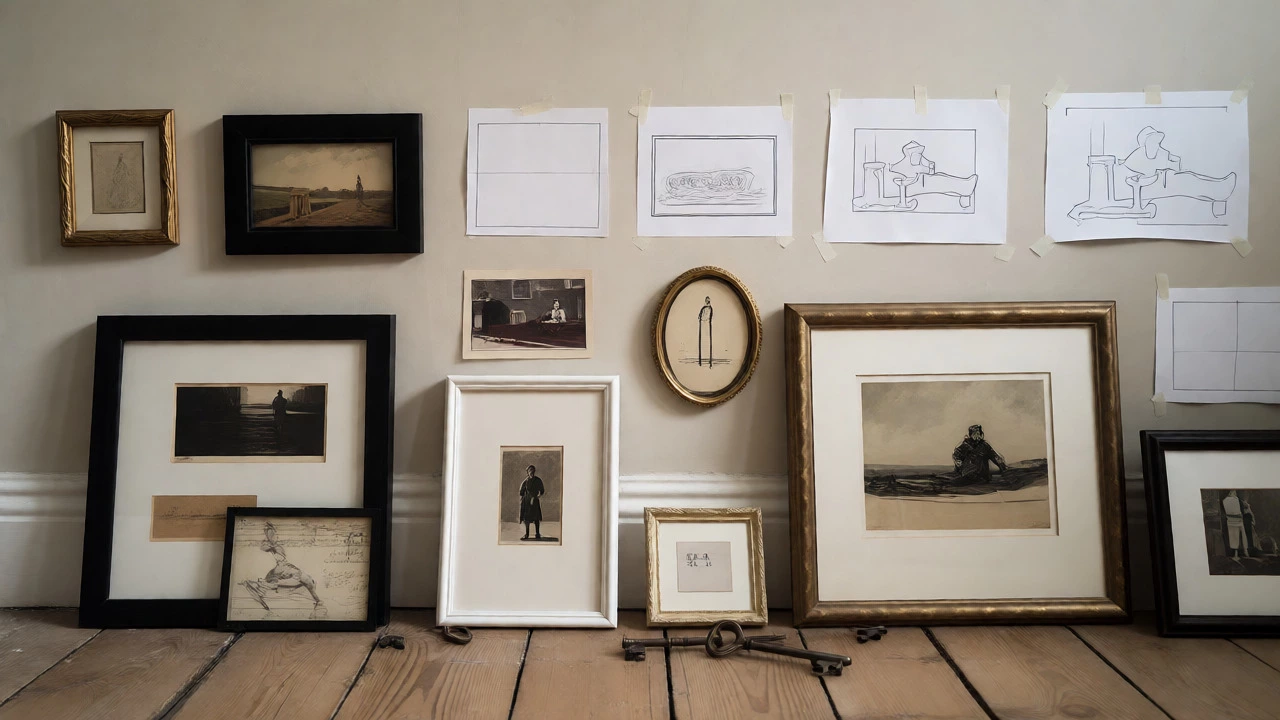
Gallery walls are back, but they look different than they did ten years ago. Forget the rigid grid of identical black frames. The current style is eclectic and organic. Mix family photos with vintage postcards, small sketches, and even oddities like old keys or fabric swatches. The key to making this work is alignment. Start by laying everything out on the floor. Take a photo of your arrangement before you hammer a single nail. Use paper templates taped to the wall to test the layout. This saves you from patching holes later. A good rule of thumb: keep the center of the collection at eye level, which is roughly 145-150cm from the floor.
3. Functional Mirrors
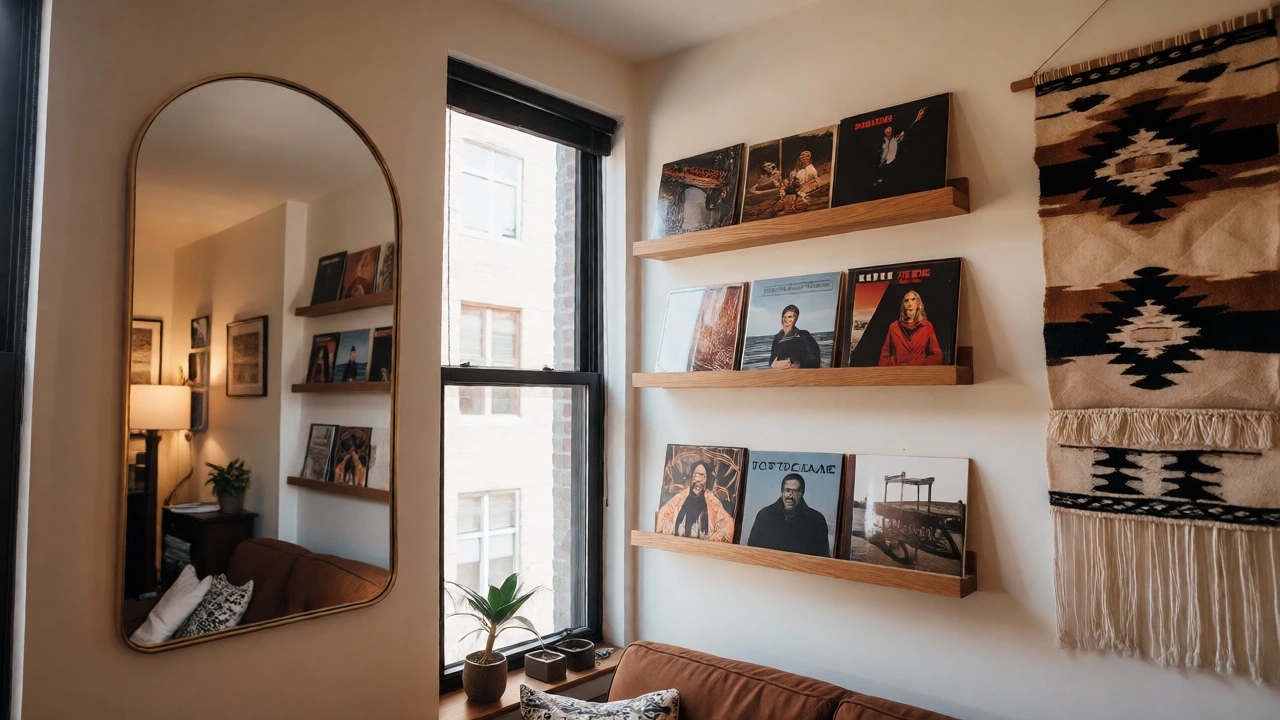
A mirror isn’t just for checking your hair. It’s a lighting hack. Hanging a large round or arched mirror opposite a window bounces natural light deep into the room, making it feel twice as big. This is crucial for north-facing living rooms that struggle with brightness in winter. Choose a frame material that complements your furniture-brass for warm tones, black steel for industrial vibes. Just be careful with placement; avoid reflecting messy corners or busy TV screens, as this doubles the visual noise.
4. Textiles and Soft Sculptures
Hard surfaces absorb sound poorly, leading to echoey rooms. Hanging a woven tapestry or a macramé piece adds texture and dampens noise. This is particularly effective in open-plan homes where the living room blends into the kitchen. Macramé has evolved from its bohemian roots into sleek, geometric designs that fit modern interiors perfectly. Plus, textiles are lightweight and easy to swap out when you want a seasonal refresh. No drilling required for many options, using adhesive strips designed for heavy loads.
5. Floating Shelves with Intention
Shelves aren’t just storage; they’re display cases. But there’s a trap: clutter. To make shelves look styled, not stuffed, follow the "rule of thirds." Group items in odd numbers. Vary the heights-stack books horizontally, place a tall vase next to them, and add a small framed photo leaning against the back. Leave empty space. Negative space is as important as the objects themselves. If every inch is filled, the eye gets tired. Use floating shelves to highlight specific hobbies, like vinyl records or travel souvenirs, giving guests conversation starters.
Placement Rules That Actually Work
Most people hang things too high. This is a classic mistake. Your eyes should naturally meet the center of the artwork when standing, not when sitting. However, if the art is above furniture, such as a console table or sofa, the bottom of the frame should sit 15-20cm above the furniture top. This creates a cohesive unit, linking the object below with the art above. If you hang it higher, the gap looks awkward, and the room feels disjointed.
Consider sightlines. Where do you spend most of your time? If you sit in an armchair reading, angle the art slightly downward so it’s visible from that spot. Don’t force yourself to crane your neck to enjoy your favorite piece. Also, think about traffic flow. Avoid placing fragile glass frames in high-traffic zones near doorways where someone might brush past them.
Budget-Friendly Hacks for High Impact
You don’t need thousands of dollars to make a statement. Thrift stores are goldmines for vintage frames. Buy mismatched frames, spray paint them all the same color (matte black or white works wonders), and fill them with free printable art or pages from old books. This DIY approach costs less than $50 and looks intentional and chic.
Another trick? Use washi tape or removable hooks to rotate your decor seasonally. In summer, hang bright, airy prints. In winter, switch to darker, moodier pieces. This keeps the room feeling fresh without permanent commitment. Local markets in suburbs like Fitzroy or Brunswick often feature emerging artists selling affordable originals, supporting the community while getting unique pieces no one else has.
Pitfalls to Avoid
- Hanging too high: As mentioned, eye level is king. Measure twice.
- Ignoring scale: Small art on a huge wall looks lost. Go big or go grouped.
- Mixing too many styles: Stick to a cohesive theme. If your room is mid-century modern, avoid rustic farmhouse decor unless you’re skilled at eclectic blending.
- Over-lighting: Ensure your art is lit well. Track lights or picture lights can elevate a simple print to a museum-quality display.
Final Thoughts on Personalization
Ultimately, your walls should reflect your life. Did you collect shells from your last holiday? Frame them. Do you love typography? Print quotes that resonate with you. Perfection is boring; personality is inviting. Start small if you’re nervous. One well-chosen piece is better than ten random ones. Watch how the light hits the wall throughout the day and adjust accordingly. Your living room is a living space, and your decor should evolve with you.
How high should I hang art above my sofa?
The bottom of the frame should typically sit 15 to 20 centimeters above the top of the sofa backrest. This creates a visual connection between the furniture and the art, preventing the artwork from looking like it's floating in isolation.
What size art is appropriate for a large living room wall?
For large walls, consider using a single oversized piece or a curated gallery wall. A general rule is that the art should cover approximately two-thirds to three-quarters of the width of the furniture below it, or leave equal margins on either side if hung alone on a bare wall.
Can I hang heavy mirrors without studs?
Yes, but you must use appropriate anchors. For plasterboard walls, toggle bolts or heavy-duty drywall anchors rated for the weight of the mirror are essential. Always check the weight rating of the anchor and ensure the mirror's mounting hardware is secure. For very heavy mirrors, locating a stud is always safer.
How do I prevent my gallery wall from looking messy?
Consistency is key. Use a unified color palette for the frames or mats, or align all pieces along a central horizontal axis. Lay out your arrangement on the floor first to visualize the balance before committing to nails. Keeping spacing consistent (e.g., 5cm between frames) also helps maintain order.
Are digital frames worth it for living rooms?
Digital frames are great for rotating photos without cluttering shelves. However, they require power outlets nearby and can sometimes look techy rather than decorative. Choose models with matte screens to reduce glare and blend them among traditional frames for a hybrid look.