Interior Design Trends: What’s In and What’s Out in 2025
When we talk about interior design trends, the evolving styles and practical choices that define how people live in their homes today. Also known as home decor trends, it’s not about chasing fads—it’s about what actually makes spaces feel better to live in. This isn’t the 2010s anymore. Wallpaper isn’t dead, but it’s not the default choice anymore. Curtains aren’t out of style—they’ve just gotten smarter. And that big, empty wall above your sofa? You’re probably not hanging a single oversized print anymore.
Modern interiors, a style focused on clean lines, functional storage, and materials that last. Also known as contemporary design, it’s what happens when people stop buying things just because they look good in a magazine and start asking: "Will this still feel right in three years?" That’s why vinyl flooring is beating laminate in kitchens and bathrooms—it handles spills and pets. That’s why people are putting dressers in dining rooms instead of buying a sideboard. Storage isn’t hidden anymore; it’s part of the design. And when it comes to curtain trends, how window treatments are being chosen and styled in today’s homes. Also known as window treatments, it’s less about matching the sofa and more about texture, movement, and light control. Sheer linen? Yes. Heavy velvet drapes that block all the sun? Not unless you’re running a spa.
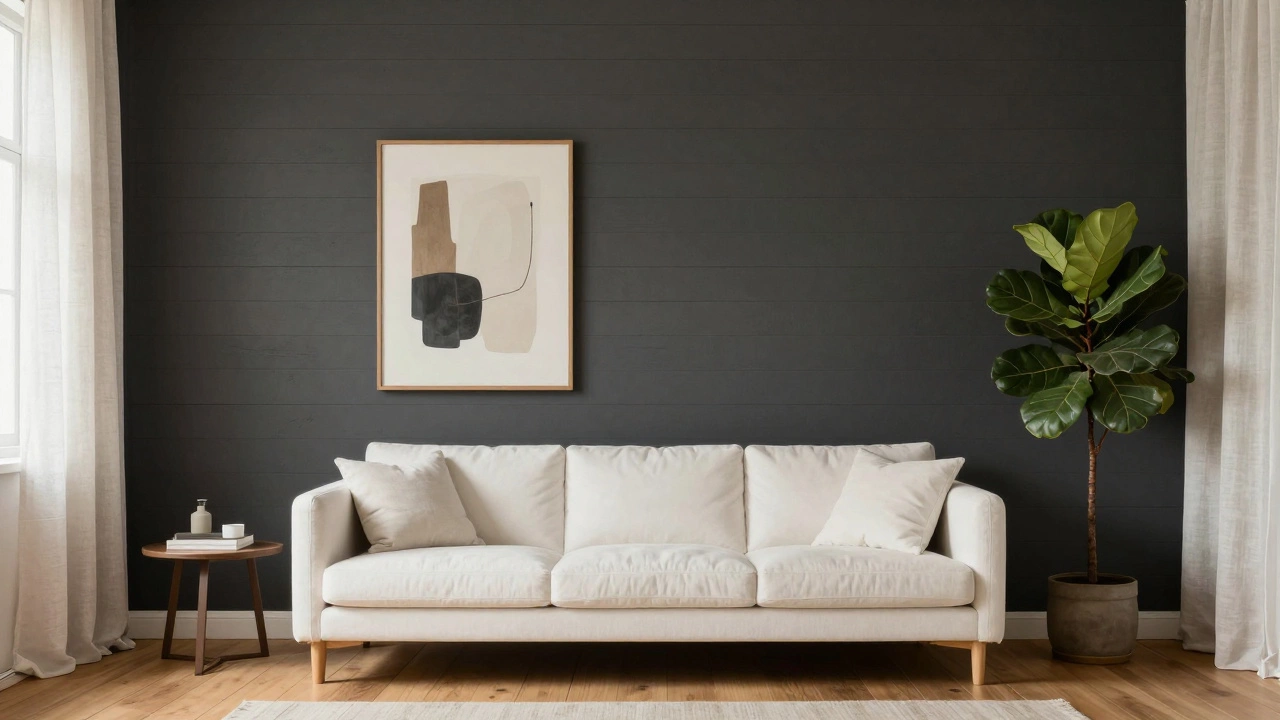
What’s fading fast? Overly ornate furniture, matching sets from big-box stores, and walls covered in every possible pattern. The new rule? Less is more—but only if what’s left is thoughtful. A single piece of art, properly hung using wall decor rules, guidelines for safe, balanced, and visually pleasing wall arrangements. Also known as wall art placement, it’s the difference between a room that feels curated and one that feels cluttered. You don’t need a designer to get this right. You just need to know where to hang things so they don’t look like they’re floating in midair.
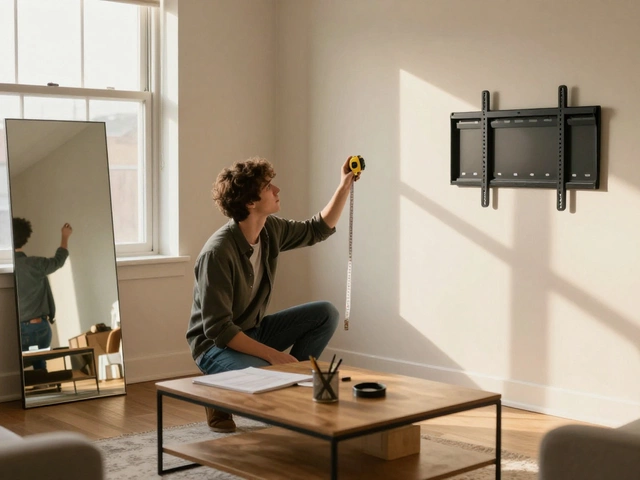
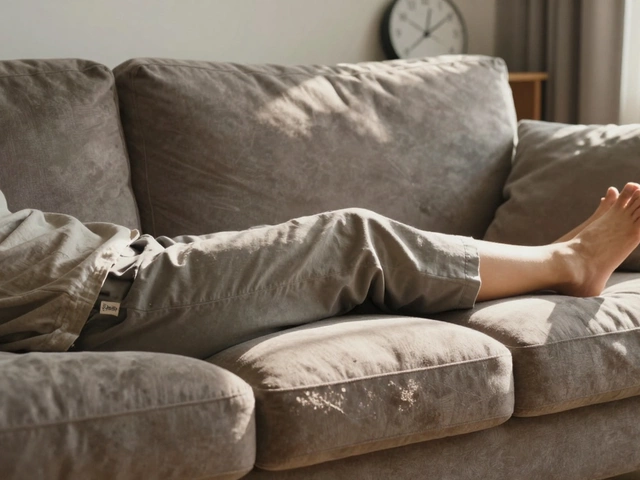
These trends aren’t random. They’re responses to real problems: small spaces, tight budgets, and the desire to make homes feel calm instead of chaotic. You’ll find posts here that show you how to fix sliding couch cushions with a $5 rug pad, how to turn a boring room into a cozy spot with paint and plants, and why your TV placement matters more than your coffee table. This isn’t about perfection. It’s about making your home work for you—without spending a fortune or hiring someone to do it for you.
Below, you’ll find real solutions from real homes—no staged photos, no impossible makeovers. Just practical fixes, honest comparisons, and clear advice on what’s actually worth your time in 2025.