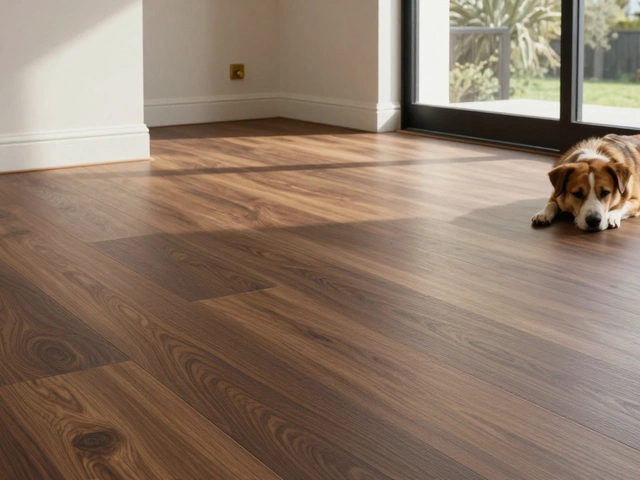
Most Expensive Flooring: What Makes High-End Floors Worth the Cost
When it comes to most expensive flooring, high-end materials chosen for durability, rarity, and craftsmanship that significantly raise property value. Also known as luxury flooring, it’s not just about looks—it’s about longevity, resale impact, and the quiet luxury of walking on something that feels like it was made to last generations. Think of it like buying a watch: you’re not just paying for the face, you’re paying for the movement inside.
Hardwood flooring, especially solid oak or walnut from old-growth trees, tops the list for many homeowners. It’s not just the wood itself—it’s the milling, the hand-scraped texture, the custom stain jobs, and the fact that it can be sanded and refinished ten times over. Then there’s marble flooring, natural stone quarried from specific regions like Italy or Greece, known for its unique veining and cold, elegant feel. Also known as natural stone flooring, it requires expert installation and regular sealing, but once it’s down, no other floor has the same timeless weight. You’ll also find exotic species like Brazilian cherry or teak, imported with certifications to prove they weren’t harvested illegally. These aren’t just materials—they’re stories in grain and color.
Then there’s the hidden cost: labor. Installing engineered wood, a layered product with a real wood top surface, designed to resist warping and suit underfloor heating. Also known as premium wood flooring, it’s often mistaken for cheap laminate—but the best versions use 4mm or thicker wear layers and are hand-finished like solid wood. Getting it right means hiring installers who know how to acclimate the planks, match grain patterns across rooms, and hide seams so they disappear. That’s not a weekend project. That’s a job that takes days, sometimes weeks, and costs as much as the material itself.
Why do people pay this much? It’s not vanity. It’s about how the floor ages. A cheap vinyl floor fades, scratches, and looks worn in five years. A high-end floor gets better with time. The patina on an old oak floor, the subtle sheen of polished marble after decades of use—these aren’t flaws. They’re proof of quality. And when you sell, buyers notice. They don’t always know why, but they feel it.
You’ll find posts here that break down exactly what separates budget options from luxury floors—why some materials hold up in kitchens while others crack, how lighting changes how marble looks at noon versus sunset, and why even the most expensive wood can be ruined by the wrong cleaning product. We’ll show you real examples, cost comparisons, and the small details most guides skip—like why the direction of the planks matters more than you think, or how the subfloor beneath your $200/sq.ft. floor can make or break the whole investment.