Popular Curtain Style: Modern Trends, Alternatives, and How to Style Them
When we talk about popular curtain style, a window treatment that frames a room’s light and mood, often used to add texture, color, or privacy. Also known as window treatments, it’s not just about covering glass—it’s about shaping how a space feels. Many think curtains are outdated, but they’re not gone. They’ve just changed. Today’s best curtain styles don’t scream for attention. They whisper. They layer. They work with the room, not against it.
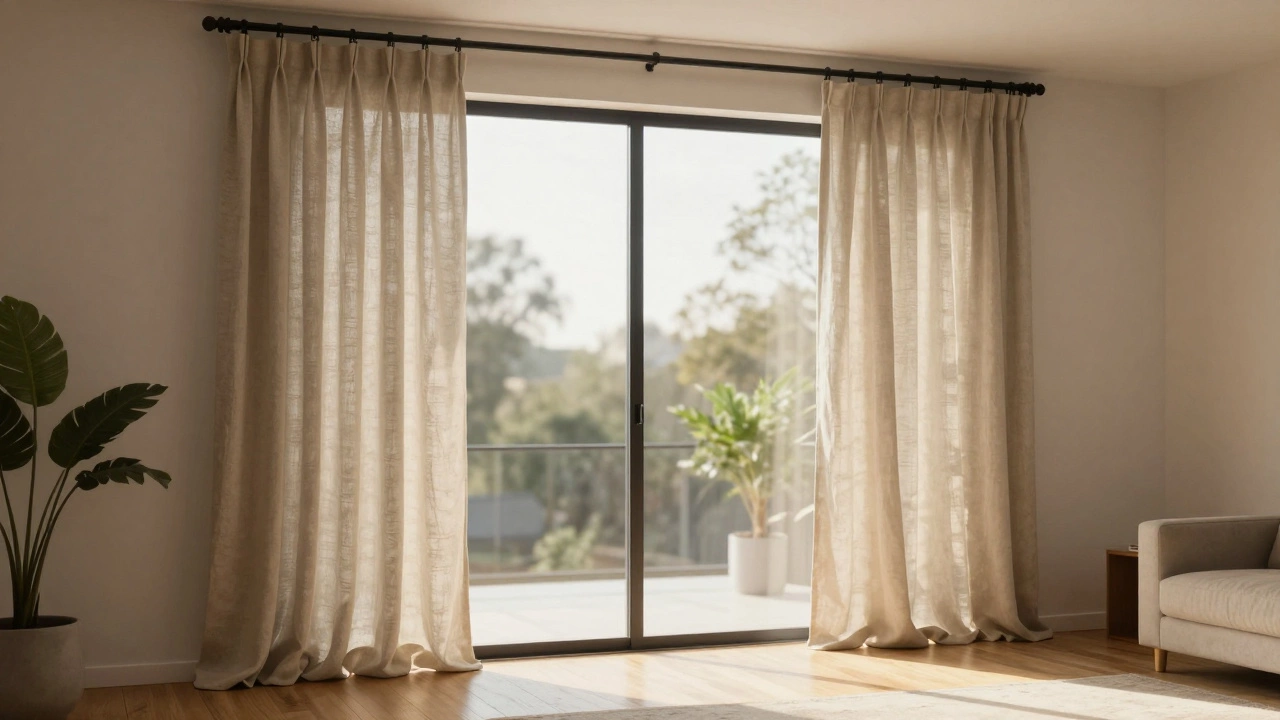
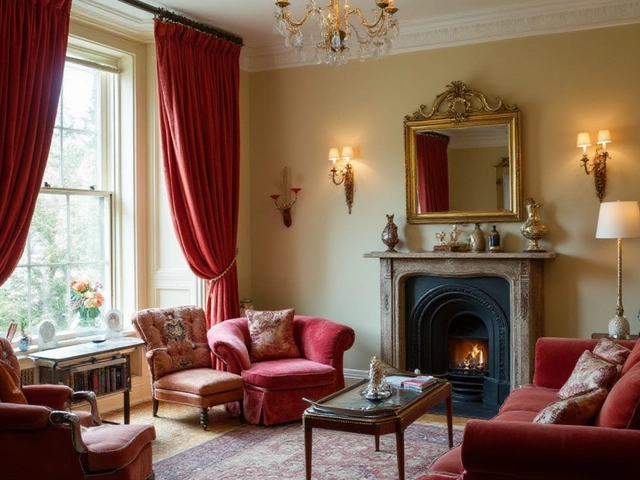
What makes a curtain style popular now? It’s not the ruffles or the heavy velvet you saw in the 90s. It’s simplicity. Light fabrics like linen and cotton that move with the breeze. Neutral tones that blend into walls or contrast just enough to add depth. And length—curtains that kiss the floor, not hover above it. This isn’t just decor. It’s living room curtains, a key element in defining the rhythm of a room’s visual flow. They connect the window to the sofa, the rug, the lighting. If your sofa is deep navy, your curtains don’t need to match. But they should echo it—maybe in a shade of charcoal or a weave with the same texture. That’s cohesion, not coincidence.
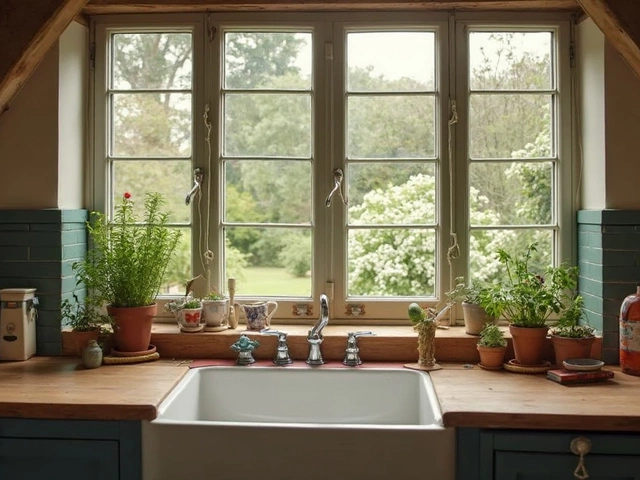
And here’s the truth: not every room needs curtains. In 2025, many homes are choosing curtain alternatives, such as roller shades, wooden blinds, or even bare windows with smart lighting. But that doesn’t mean curtains are out. It means they’re being used smarter. A thin linen panel in a sunroom. Double-layered sheers in a bedroom. A single panel on a sliding door to soften a busy view. These aren’t trends—they’re solutions. They solve glare, privacy, and noise without blocking light or making a room feel heavy.
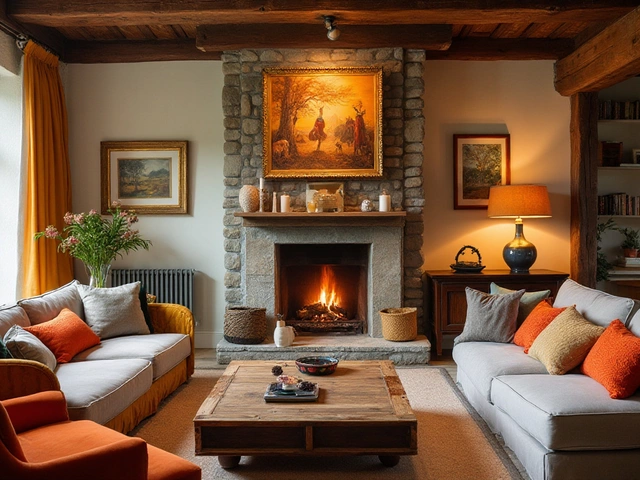
What you’ll find in this collection isn’t a list of "must-have" patterns or colors. It’s real examples from real homes. How one person used floor-to-ceiling curtains to make a small living room feel taller. Why another skipped curtains entirely and used a smart blind system instead. How a simple switch from blackout to linen changed the whole vibe of a bedroom. You’ll see how curtain length affects perception, how color ties into wall paint, and why matching curtains to your sofa isn’t always the right move.
There’s no one-size-fits-all here. Your curtain style should reflect your light, your furniture, your daily life—not a magazine photo. If you’re tired of curtains that look like they belong in a hotel lobby, you’re not alone. The best designs now feel lived-in, quiet, and intentional. That’s what you’ll find in the posts below: honest, practical takes on what works today—and what doesn’t.